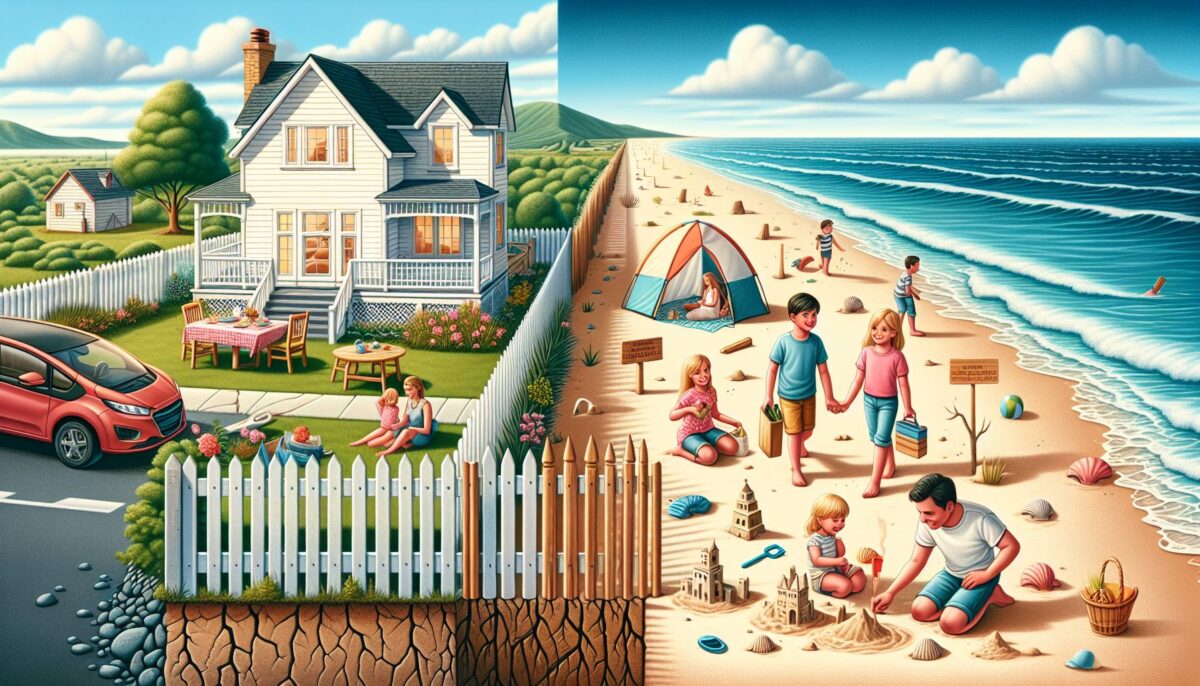
The coastline – an interface between land and water that serves as home to abundant ecosystems and diverse communities, while providing enormous economic benefits. But with its beauty and bounty come unique difficulties and responsibilities. This article aims to explore the various aspects of coastal living, from the gifts of the sea to the challenges its residents face on a daily basis.
Coastal Ecosystems
Coastlines harbor some of the most productive and diverse ecosystems on the planet. They offer crucial habitats for numerous marine species and serve as breeding and nesting grounds for various birds and mammals. Among the fundamental components of coastal ecosystems are mangroves, seagrasses, and coral reefs.
Mangroves not only serve as “nurseries” for many marine organisms, but they also trap sediments and filter pollutants, helping to maintain water quality. Seagrasses also act as important habitats and food sources, while improving water clarity by trapping fine sediments and particles. Coral reefs, meanwhile, harbor infinite biodiversity, providing shelter to a wide array of marine species.
Economic Benefits and Opportunities
From the early times, coastlines have attracted human settlements due to the abundance of resources they offer. They serve as critical avenues for fishing, tourism, and maritime trade, contributing significantly to the global economy. Furthermore, the growth of the Blue Economy promises even greater advantages, with the sustainable use of ocean resources promising jobs, societal benefits and economic growth.
While fisheries have long been integral to the coastal economy, aquaculture has seen significant growth in recent years. It provides an important source of dietary protein, and through cultivation of species like algae and mollusks, contributes to regenerative practices that improve water quality. Meanwhile, tourism – from sandy beach resorts, wildlife ecotours, and water sport adventures – constitutes a primary source of income for many coastal communities.
Maritime trade, with strategic ports and harbors, fuels the global economy. Large containerships and tankers transport goods and commodities, driving commerce and industry. Additionally, renewable offshore energy sources like tidal and wave energy offer emerging investment opportunities.
The Challenges: Environmental and Human Impact
Coastal living, despite its numerous advantages, is fraught with noteworthy challenges. Chief among these is the narrative of climate change-induced sea-level rise, posing a terrifying threat to many coastal communities worldwide. Moreover, increased storm intensity and frequency further jeopardize the safety of these societies.
Coastal erosion—accelerated by rising sea levels, intensified storms, human activities, and coastline development—is advancing at alarming rates, leading to the loss of property and habitats. Such threats further underscore the need for effective coastal management.
Ocean pollution constitutes another significant challenge. From plastic litter to oil spills, our seas bear the brunt of our waste, threatening marine biodiversity and disrupting delicate aquatic ecosystems.
Finally, the health of marine life is under threat, as overheated waters caused by global warming trigger coral bleaching, and ocean acidification—sometimes referred to as ‘climate change’s evil twin’—poses an existential threat to everything from shellfish to coral reefs.
Despite these challenges, the human spirit is resilient; from scientists studying the seas to alert us about emerging threats, to local communities adopting sustainable practices and developing innovative solutions to protect and nurture this precious environment.
The Future of Coastal Living
The future of coastal living depends on us recognizing the immense value of these fragile ecosystems, and responding with concerted conservation efforts. Adapting to changes, enforcing sustainable practices, deploying renewables and involving local communities are all part of the strategy. Recognizing the threats and promptly taking action is the way forward. After all, our coasts are more than just picturesque landscapes – they are a testament to the enduring and complex relationship between man and sea.
To relish the beauty and reward of coastal living, we must also bear its challenges and responsibilities. It isn’t always just sunshine and sandy beaches, but the breath-taking sunrise over the ocean’s horizon reminds us daily of nature’s beauty, resilience, and worth.
As Sylvia Earle—a marine biologist, explorer, and author—put it so profoundly: “With every drop of water you drink, every breath you take, you’re connected to the sea. No matter where on Earth you live.” The ocean impacts all of us, and its protection is not just a moral responsibility, but a survival imperative.
References:
- Mangroves: https://www.nationalgeographic.com/environment/article/mangroves
- Seagrass: https://oceanservice.noaa.gov/facts/seagrass.html
- Coral Reefs: https://www.noaa.gov/education/resource-collections/marine-life-education-resources/coral-reefs
- Blue Economy: https://ec.europa.eu/maritimeaffairs/content/blue-economy-growing-sustainable-way_en
- Ports: https://www.worldportsource.com/ports/index.php
- Oil Spills: https://www.epa.gov/emergency-response
- Coral Bleaching: https://www.nationalgeographic.com/environment/article/coral-bleaching
- Coastal Management: https://www.fema.gov/emergency-managers/risk-management/coastal-management
