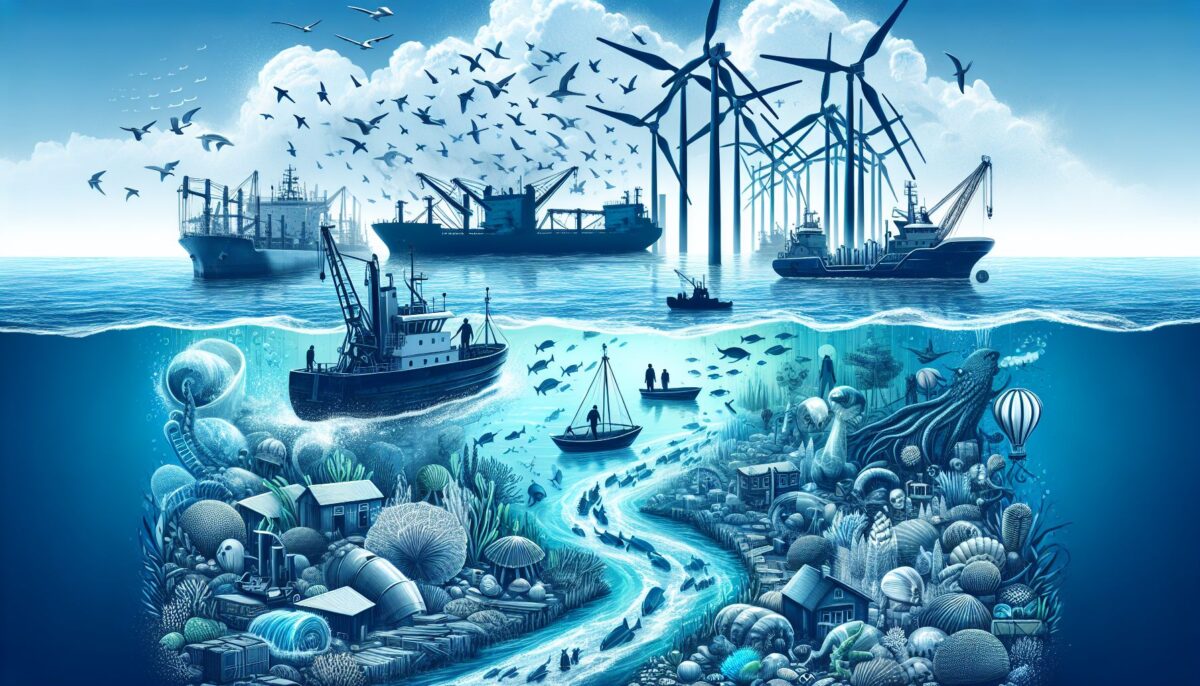
The majestic expanse of our planet’s oceans is more than just a spectacle of nature—it cradles life, harbors complex ecosystems, and encompasses a realm replete with untapped economic potential. With over 70% of the Earth’s surface covered by oceans, it comes as no surprise that these vast bodies of water can significantly contribute to economic growth, sustainable livelihoods, and environmental health. This potential is encapsulated in the concept of the blue economy. In this comprehensive exploration, we will dive into what the blue economy entails, the boundless opportunities it presents, the challenges it faces, and the path ahead for harnessing the oceans’ bounties without tipping the scales against ecological balance.
What is the Blue Economy?
The “blue economy” is a term that emphasizes the economic value of the seas and oceans. It encompasses all economic activities related to oceans, seas, and coasts, and includes industries such as fishing, aquaculture, maritime trade, and tourism. It also incorporates emerging industries like renewable marine energy, which holds promise for a sustainable future. However, the blue economy is not just about economic gain; it also aims to promote the health of ocean ecosystems and ensure that the use of marine resources is sustainable and responsible.
markdown

Key Elements of the Blue Economy:

- Sustainable marine resource use

- Protection of marine ecosystems

- Economic growth through maritime industries

- Innovation in marine technology

- Social inclusion and job creation
The Economic Potential
The World Bank estimates that the blue economy represents roughly $24 trillion in assets, making it an immensely lucrative sector. The fishing industry alone provides employment for over 57 million people worldwide. In addition to traditional maritime activities, new industries are fostering innovation and technological advancement, such as biotechnology, seabed mining, and marine renewable energy.
Blue Economy Opportunities
Sustainable Fisheries and Aquaculture
Sustainable fisheries and responsible aquaculture practices are pillars of the blue economy. With the world’s population continuously growing, aquaculture is increasingly critical in meeting the global demand for protein. The challenge is to manage these industries in ways that do not deplete fish stocks or harm marine habitats.
Marine Renewable Energy
The oceans are a powerhouse of renewable energy sources, including wind, tidal, and wave energy. By harnessing these sources, we can greatly reduce our carbon footprint and work towards energy independence.
Ecotourism and Coastal Resilience
Coastal areas are hotspots for tourism, which can be developed sustainably to protect ecosystems while providing economic benefits. Moreover, enhancing coastal resilience through natural infrastructure like mangroves and coral reefs protects against climate change impacts, a principle that aligns with the ethos of the blue economy.
Biotechnology and Medicine
Marine biotechnology is an exciting frontier, with the oceans’ biodiversity offering potential cures for various diseases. Pharmaceutical companies are increasingly investing in marine bioprospecting for new compounds.
The Growth of Maritime Trade
With globalization, maritime trade continues to grow. Ports and shipping industries are becoming more efficient and cleaner, thanks to advancements in technology and increased environmental regulations.
Seabed Mineral Resources
The ocean floor is rich in minerals essential for modern technology, such as copper, cobalt, and rare earth elements. Retrieving these resources can be part of the blue economy if done sustainably.
Challenges Facing the Blue Economy
Realizing the potential of the blue economy is not without challenges. Several barriers must be overcome, including environmental concerns, regulatory frameworks, and geopolitical issues.
Environmental Conservation
To sustain the blue economy, it is crucial to maintain healthy marine ecosystems. Overfishing, plastic pollution, ocean acidification, coral bleaching, and climate-induced changes present significant hurdles.
Governing the High Seas
Since oceans are vast and do not adhere to national boundaries, establishing international regulations that promote sustainable and fair use of marine resources is essential. The United Nations Convention on the Law of the Sea (UNCLOS) is a framework for such regulations but requires strengthening and better enforcement.
Marine Pollution
Marine pollution, from sources such as plastic debris, agricultural runoff, and oil spills, is an ongoing problem that undermines marine health and human activities associated with the blue economy.
Climate Change
Rising sea levels, ocean acidification, and increasing ocean temperature have far-reaching implications for marine life and the blue economy. Coastal erosion and more frequent devastating weather events impact tourism, fisheries, and threaten coastal communities.
Sustainable Investment
A lack of clear investment frameworks for blue economy initiatives can hinder their development. What’s needed is regulatory clarity and incentives that encourage sustainable practices in industries operating in or around ocean environments.
Roadmap to a Sustainable Blue Economy
For the blue economy to be genuinely sustainable and inclusive, a multi-pronged approach is necessary. Here is a roadmap to guide this transition:
-
Developing Clear Policies and Regulations: Governments worldwide need to implement clear-cut policies and regulations to govern the use of the oceans while supporting economic growth.
-
Promoting Research and Innovation: Advancements in technology and increased research into sustainable marine practices can propel the blue economy forward.
-
Investing in Climate Resilience: Building resilience against climate change is imperative for protecting the blue economy’s underlying resource—the oceans.
-
Encouraging Public and Private Partnerships: Collaboration between public and private entities can pool resources and knowledge, fostering the growth of sustainable ocean-based industries.
-
Marine Spatial Planning: Coordinating the multiple uses of marine spaces can prevent conflicts, optimize the use of resources, and protect the environment.
-
Enhancing Regional and International Cooperation: Since marine challenges are transboundary, international cooperation is vital for sustainable management.
Sources for Further Reading
- “The Potential of the Blue Economy: Increasing Long-term Benefits of the Sustainable Use of Marine Resources for Small Island Developing States and Coastal Least Developed Countries” – The World Bank [source].
- “Blue Economy Strategy: Types of Ocean Industries” – NOAA [source].
- “United Nations Convention on the Law of the Sea (UNCLOS)” – United Nations [source].
Conclusion
Embracing the blue economy is not merely an option but a necessity for a sustainable future. It offers a promising pathway to social and economic development, food security, and environmental sustainability. By overcoming the challenges through concerted effort, thoughtful policy, and innovation, the blue economy can provide a beacon of hope and prosperity, illuminating the path for generations to come. As we continue to delve into the riches of our oceans, we must do so with respect and commitment to preserving these vast, life-sustaining sources for all who depend on them now and in the future.
