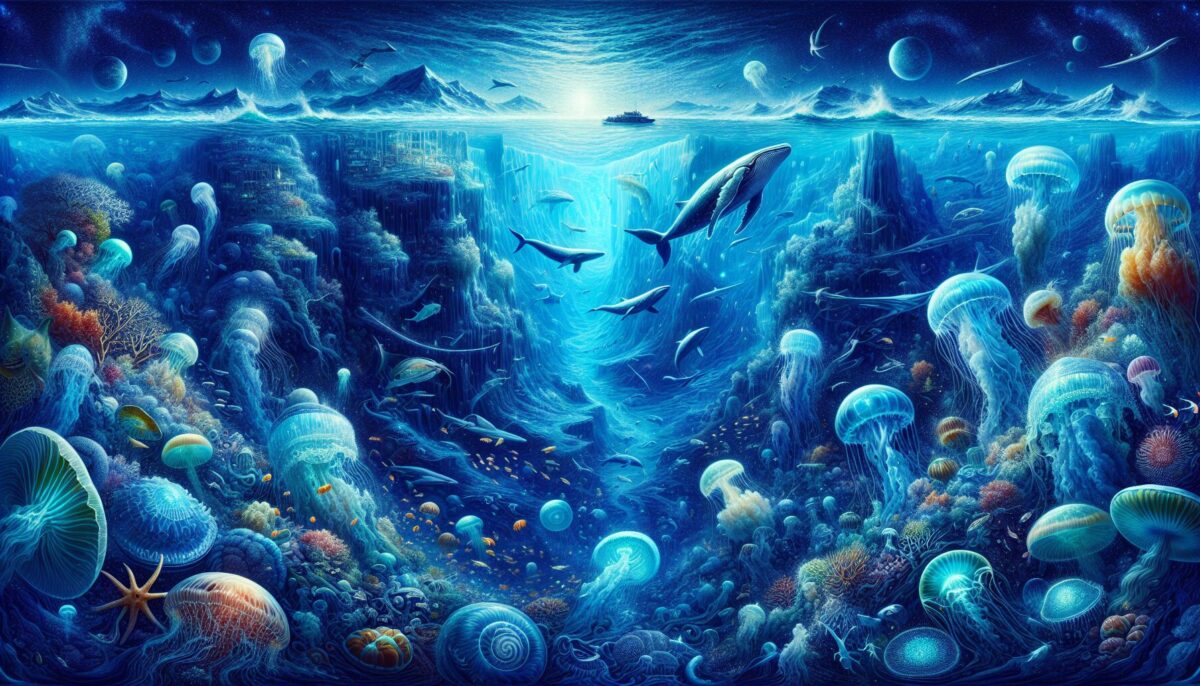
The ocean is a vast and mysterious expanse, covering over 70% of our planet’s surface. To many, it is a source of intrigue, beauty, and boundless possibility. Yet, despite its prominence on Earth, much of the ocean remains unexplored, with its deepest trenches and farthest reaches still holding secrets from mankind. This vast blue space is not just about water and waves; it’s an intricate web of life, geology, chemistry, and physics. Oceanography is the key that unlocks the door to these secrets, providing us with valuable insights into the planet’s health and our survival. In this article, we delve deep into the realm of oceanography and examine the critical role of marine biodiversity that sustains this enormous and enigmatic ecosystem.
Understanding Oceanography
Oceanography is a branch of Earth sciences that encompasses the study of all aspects of the ocean, from its physical properties and processes to the creatures that inhabit its depths. The discipline is divided into several sub-fields:
- Physical Oceanography focuses on the movement of ocean waters, including currents, waves, and tides, and the physical properties of seawater.
- Chemical Oceanography examines the chemical composition and properties of sea water, as well as the cycles and distribution of chemical elements within the ocean.
- Geological Oceanography, or marine geology, explores the structure and composition of the sea floor, including plate tectonics and marine sedimentation.
- Biological Oceanography, or marine biology, studies the diverse forms of life within ocean ecosystems and the complex interactions amongst them.
Each of these branches plays a pivotal role in enhancing our understanding of the ocean and the planet as a whole.
The Intricacy of Marine Biodiversity
Marine biodiversity refers to the variety and abundance of species found within ocean ecosystems, from microscopic plankton to the gargantuan blue whale. Life in the ocean varies dramatically from one habitat to another, shaped by factors such as temperature, pressure, salinity, and availability of light and nutrients. These species are not distributed evenly across the ocean; areas such as coral reefs, estuaries, and deep-sea vents are hotspots of biodiversity.
The Significance of Marine Species
Marine organisms play essential roles in the oceanic environment:
- Primary Producers: At the base of the marine food web, microscopic algae and phytoplankton convert sunlight and carbon dioxide into energy through photosynthesis, supporting almost all marine life.
- Oxygen Production: Oceans are a significant source of the planet’s oxygen, produced by photosynthetic organisms like phytoplankton.
- Nutrient Cycling: Various marine species contribute to the recycling of nutrients, ensuring the health and productivity of ocean ecosystems.
- Climate Regulation: The ocean acts as a carbon sink, with organisms such as plankton playing a role in the global carbon cycle, thus influencing climate patterns.
Marine Biodiversity under Threat
Despite its resilience, marine biodiversity is currently under siege from a multitude of threats. Overfishing, habitat destruction, pollution, climate change, and ocean acidification are causing dramatic shifts and declines in marine populations. Coral bleaching events, resulting from warmer ocean temperatures, are devastating to coral reefs, which are among the most diverse ecosystems on the planet.
Exploring the Impact of Oceanography on Marine Biodiversity
To address threats to marine biodiversity, it is essential to utilize the knowledge gained from oceanography. Oceanographic research provides critical data that helps inform conservation efforts and coastal management strategies. Modern technologies, such as remote sensing, autonomous underwater vehicles (AUVs), and advanced diving equipment, have opened new windows into understanding the ocean’s complex workings and the life it harbors.
Case Studies of Oceanographic and Conservation Success
- Coral Reef Monitoring: The use of satellite imagery and underwater sensors has improved our ability to monitor reef health and the impact of coral bleaching events.
- Fish Stock Assessments: Oceanographic studies inform sustainable fisheries management, helping to prevent overfishing and allowing depleted stocks to recover.
- Marine Protected Areas (MPAs): The designation of MPAs, based on oceanographic and ecological research, has proven effective in safeguarding vital habitat and species.
The Future of Oceanography and Marine Biodiversity
In the future, oceanography will increasingly rely on sophisticated models and simulations to predict changes in marine environments and their biodiversity. These advancements have the potential to enhance our ability to respond to changes, mitigate impacts, and preserve marine ecosystems for future generations.
Conclusion
The exploration of oceanography reveals how interconnected our lives are with the ocean. It is not just an expanse to be admired or exploited, but a complex, living entity with an intricate web of life that requires careful stewardship. With the looming threats of climate change, pollution, and habitat destruction, the importance of understanding the ocean and its biodiversity has never been more critical.
Marine biodiversity is not only about the conservation of species for their own sake. It’s about protecting a vital component of our global environment – one that influences weather patterns, food supplies, and even the air we breathe. By expanding our knowledge of the ocean through oceanography, we can develop strategies to preserve this life-sustaining resource for many years to come.
The future health of our oceans hinges on the choices we make today. Let us choose wisely and act decisively, for the blue depths hold the key to our planet’s past, present, and future.
Sources
- National Oceanic and Atmospheric Administration (NOAA). “What is Oceanography?” https://oceanservice.noaa.gov/facts/oceanography.html
- United Nations Educational, Scientific and Cultural Organization (UNESCO). “Why we must explore the ocean.” https://en.unesco.org/themes/addressing-climate-change/ocean-exploration
- The MarineBio Conservation Society. “Marine Biodiversity.” https://marinebio.org/creatures/marine-biodiversity/
Understanding and preserving the ocean and its teeming life forms is not just a scientific endeavor but a global responsibility. The vast ocean, with all its wonder and mystery, demands our highest respect and our mindful guardianship – for in its depths lies the heartbeat of the planet we call home.
