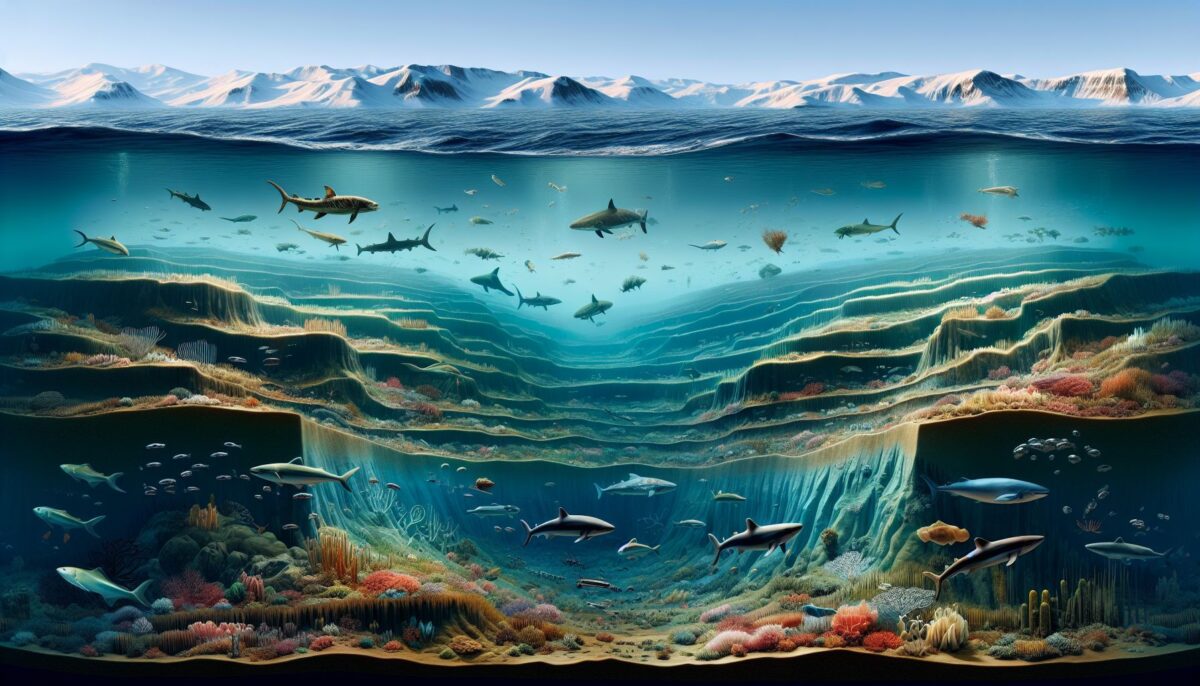
The ocean is vast and profound, a realm veiled in mystery and abundant in life. As we peer into the depths of the sea, one of the most crucial and yet often overlooked regions is the continental shelf. This submerged ledge that skirts the continents is a critical zone for marine ecosystems, human activities, and the planet’s overall health. In this article, we will journey into the heart of what makes the continental shelf a subject of intrigue and immense importance.
Understanding the Continental Shelf
The continental shelf is the extension of a continent that is submerged under the ocean. It stretches from the shoreline out to the continental slope, where the sea floor drops sharply down to the deep ocean basins. This part of the Earth’s crust is relatively shallow—usually no more than 200 meters deep—and gently sloping. It constitutes less than 10% of the ocean area but is rich in resources and biodiversity.
Geology and Formation
Geologically speaking, the continental shelf is a product of millennia of tectonic movements, sediment deposition, glacial cycles, and erosion processes. It’s composed mostly of continental crust material, differing significantly from the denser oceanic crust of the deep seabed.
How It Shapes Marine Life
The relative shallowness of the continental shelf allows sunlight to penetrate to its seabed, fostering photosynthesis in plankton and algae, which form the basis of the marine food web. Coupling this with the infusion of nutrients from river runoff and coastal upwellings, the shelves serve as bustling metropolises for marine organisms.
Human Activities and the Continental Shelf
The continental shelf is not only biologically significant but also economically so—providing a bounty of resources while posing environmental challenges.
Fisheries and Seafood
Some of the world’s richest fishing grounds are located on continental shelves, as the abundance of nutrients supports large populations of fish and other seafood. This makes the shelf regions indispensable to global fisheries industries.
Oil and Gas Resources
Much of the offshore drilling activity is situated on continental shelves because these regions often hold vast reserves of oil and natural gas. This has led to the development of intricate infrastructures from oil rigs to pipelines, fulfilling a large portion of the human energy demands.
Renewable Energy and Research
In more recent developments, the shelves are being eyed for renewable energy. Projects like tidal and wave energy conversion systems are starting to dot these regions. Moreover, the shelf’s geology and biochemistry provide rich data for oceanographic and climate-related research.
Environmental Concerns and Conservation
Despite the bounty they offer, continental shelves face severe environmental threats.
Sea Level Rise and Coastal Erosion
Global warming and the resulting rise in sea levels threaten to inundate parts of the continental shelf, causing coastal erosion. As these zones are altered, the ecosystems and human settlements along the coasts are put at grave risk.
Marine Pollution and Oil Spills
Pollution from maritime activities, including oil spills, can devastate ecosystems on the continental shelf. After an oil spill, the clean-up can be difficult and the impacts long-lasting, affecting wildlife and disrupting fisheries.
Overfishing and Habitat Destruction
Unsustainable fishing practices have led to overfishing, which depletes fish stocks and alters the ecological balance of shelf ecosystems. Additionally, certain methods like trawling can damage the seafloor habitat, making recovery slow and sometimes impossible.
Conservation Efforts
To address these threats, various marine protected areas have been established on continental shelves. These designated zones aim to preserve marine biodiversity and manage resources sustainably. Nonetheless, the effectiveness of these areas depends greatly on enforcement and compliance with regulations.
Exploring the Science and Study of the Continental Shelf
Oceanography and Marine Geology
Oceanographers and marine geologists are the detectives of the sea, uncovering the secrets of the continental shelf through mapping (bathymetry), sediment analysis, and the study of tectonic movements (marine geology).
The Role of Technology
Advances in technology, such as remotely operated vehicles (ROVs) and autonomous underwater vehicles (AUVs), have revolutionized our understanding of the continental shelf. These tools allow us to explore otherwise inaccessible underwater landscapes and capture data crucial for research and conservation.
Looking Towards the Future
The continental shelf holds keys to the past and answers for the future. As we strive for a balance between utilizing its resources and preserving its natural beauty and diversity, the importance of responsible stewardship cannot be overstated.
Sustainable Practices
The adoption of sustainable fishing practices, responsible energy development, and careful environmental monitoring will be necessary to ensure the health and productivity of continental shelf regions for generations to come.
The Potential of the Blue Economy
The concept of the ‘blue economy’ emphasizes the potential of the ocean and its resources to drive economic growth, job creation, and innovation, all while ensuring the sustainability of the seas. The continental shelf will undoubtedly play a critical role in this vision of the future.
Conclusion
As we have seen, the continental shelf is not just a geological feature; it is a vibrant, life-sustaining component of our planet. The challenges it faces – from environmental threats to resource exploitation – necessitate a commitment to understanding, managing, and protecting this precious zone.
Resources for Further Reading
To delve deeper into the marvels of the continental shelf and its significance, please refer to the following resources:
- National Oceanic and Atmospheric Administration (NOAA) – Continental Shelf
- UNESCO – Intergovernmental Oceanographic Commission (IOC)
- The International Hydrographic Organization (IHO) – Hydrography on Continental Shelf
Through continued research, mindful management, and a collective global effort, we may hold onto the delicate balance that the continental shelf encapsulates—a place where the boundaries between earth, ocean, and human ambition meet.
