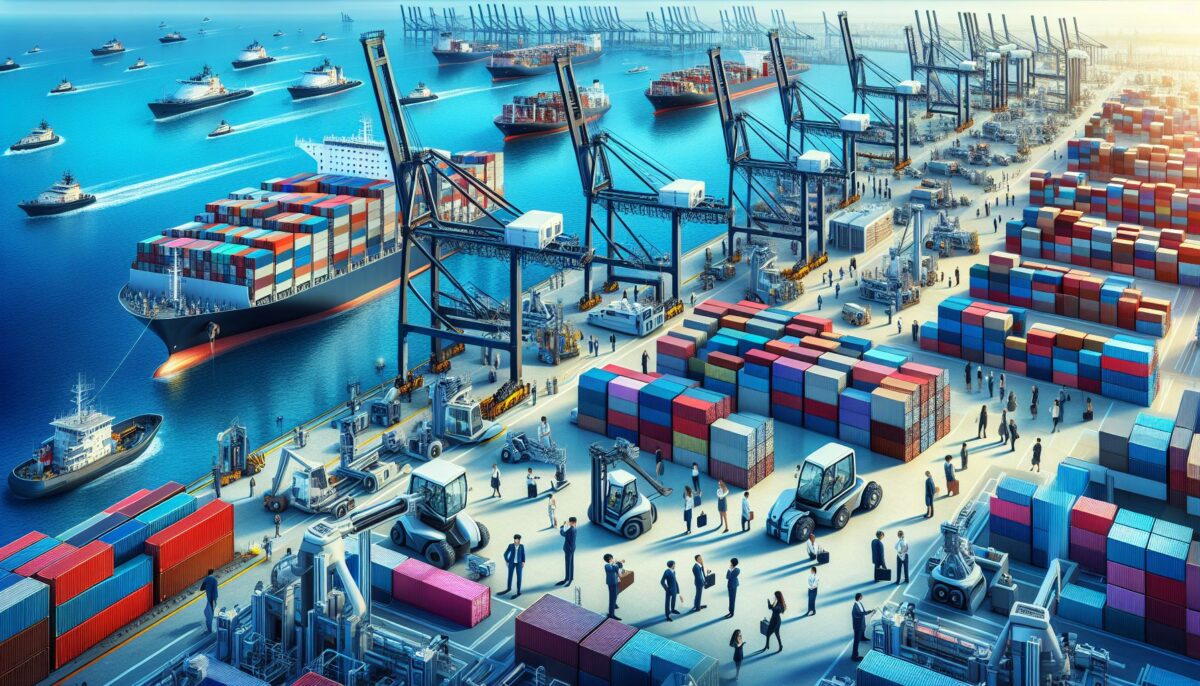
Maritime trade has been the backbone of the global economy for centuries, connecting continents, shaping cultures, and ushering in an age of exploration and commerce. At the heart of this sprawling network are the ports—gatekeepers of the oceans and catalysts for economic growth. In this comprehensive exploration, we delve into the significance of ports, the challenges they face including coastal management, and the innovations propelling maritime trade into a sustainable future.
The Importance of Ports in Global Trade
Ports are more than just points of departure and arrival; they are dynamic hubs of economic activity. Serving as transfer stations for cargo and passengers, ports enable goods to move efficiently from sea to land transportation systems, ultimately reaching markets and consumers around the world.
- International Trade: According to the United Nations Conference on Trade and Development (UNCTAD), around 80% of global trade by volume and over 70% of global trade by value are carried by sea and are handled by ports worldwide[^1].
- Employment: Ports are essential for employment, with each one supporting countless jobs both within the port itself and in associated industries like shipping, warehousing, and logistics.
- Economic Development: Importantly, ports contribute to a country’s gross domestic product (GDP) and play a critical role in the development of other sectors, including manufacturing, agriculture, and service industries.
Coastal Management: Protecting Gateways to the Sea
While ports are indispensable to global trade, they are also situated in delicate coastal environments that require comprehensive coastal management practices to ensure their sustainability and the health of adjacent ecosystems.
- Coastal Erosion: A widespread issue for ports is coastal erosion, which can undermine port infrastructure and necessitate costly mitigation efforts.
- Sea Level Rise: Climate change poses a profound threat, with rising sea levels threatening to inundate ports and disrupt trade routes if adequate precautions are not undertaken.
- Habitat Destruction: The construction and operation of ports can result in the destruction of vital habitats, such as mangroves and wetlands, which serve as natural protective barriers against storms and flooding.
Maintaining a balance between port development and environmental conservation is key for sustainable trade. Coastal management aims to prevent the negative impacts that can result from ill-planned port expansions and operations by:
- Regulating land use in coastal areas.
- Implementing erosion control measures.
- Conducting environmental impact assessments for new projects.
- Establishing marine protected areas to safeguard biodiversity.
The Future of Ports: Innovations and Trends
As the maritime industry evolves, ports are adapting to new technologies and trends to stay competitive and reduce their environmental footprint.
- Automation: The automation of ports is on the rise, which increases efficiency and reduces the need for manual labor. Automated guided vehicles (AGVs), cranes, and terminal operations are revolutionizing how cargo is handled.
- Green Ports: Efforts to create ‘green ports’ focus on reducing emissions through the use of renewable energy, electrification of equipment, and other sustainable practices.
- Smart Ports: Smart port initiatives leverage big data, the Internet of Things (IoT), and artificial intelligence (AI) to optimize operations, improve supply chain visibility, and enhance security measures.
Conclusion
Ports are not only central to maritime trade but also to the future of our global economy and environmental sustainability. With careful coastal management, innovation, and forward-thinking policies, ports can continue to serve as gateways to prosperity while preserving the natural beauty and health of the world’s coastlines. The harmony between economic growth and environmental stewardship will define the success of ports in the coming years as they navigate the uncharted waters of the 21st century.
[^1]: United Nations Conference on Trade and Development (UNCTAD) Review of Maritime Transport. (https://unctad.org/webflyer/review-maritime-transport-2020)
The focus on ports offers a glimpse into the intricate dance between economic necessity and ecological considerations that coastal management demands. With the march of technology and the specter of climate change, the pivotal role of ports will undoubtedly grow, necessitating a delicate balance between the needs of maritime trade and the health of our coastal and marine environments.
