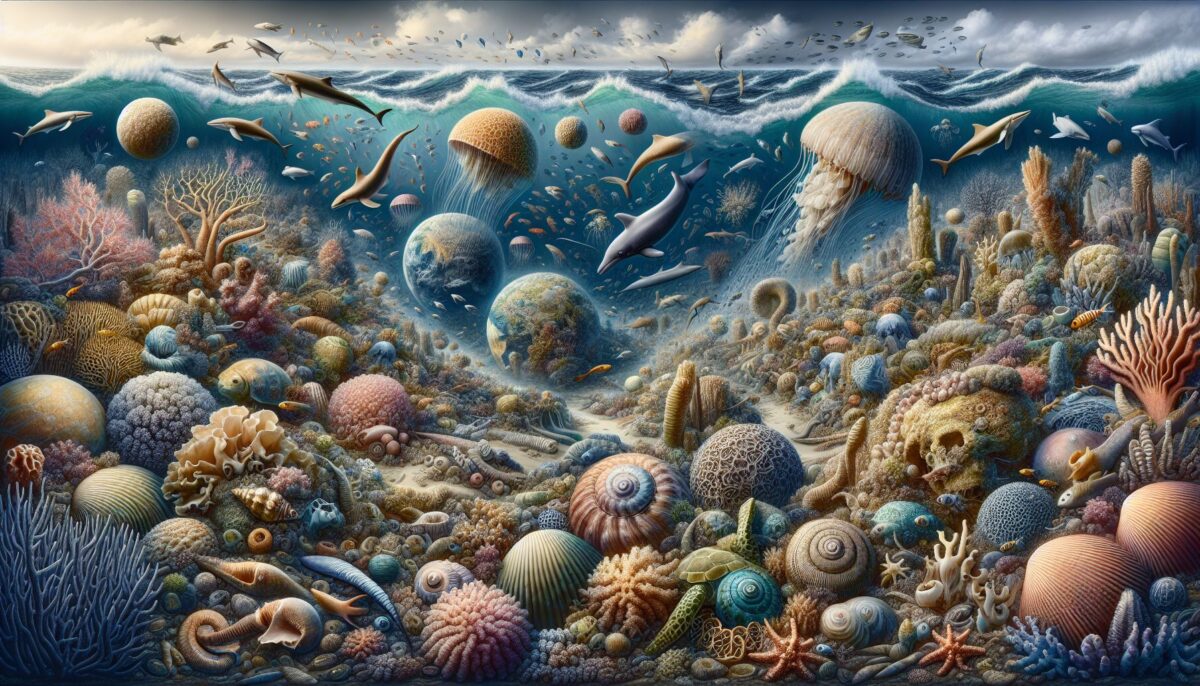
The ocean, covering over 70% of the Earth’s surface, is a vast and mysterious realm that remains one of the least explored areas of our planet. Beneath the water’s surface lies an intricate world filled with an incredible array of life forms. From microscopic plankton to the colossal blue whale, the variety of life in the ocean – marine biodiversity – is staggering. This article delves into the crucial importance of marine biodiversity, the threats it faces, and the steps being taken to protect it.
The Crucial Role of Marine Biodiversity
Marine biodiversity is not only fascinating for its sheer variety but also for the essential roles it plays in maintaining the balance of our planet’s ecosystems. Ocean inhabitants contribute significantly to the oxygen we breathe, as photosynthetic organisms like algae and phytoplankton produce an estimated 50% to 80% of Earth’s oxygen [1].
Furthermore, marine ecosystems provide invaluable services, including climate regulation, food supply, and opportunities for recreation and tourism. They also offer potential for new medicines, with many marine organisms having unique chemical compounds that could be the key to curing a range of diseases [2].
The Wealth of Life Beneath the Waves
The term ‘marine biodiversity’ encompasses all the different types of habitats and species within the ocean, from the shallow, sunlit waters of the coral reefs to the dark abysses of the deep sea. Each zone is home to life forms exquisitely adapted to thrive in their specific environment. Let’s explore a few:
Coral Reefs: The Rainforests of the Sea
Coral reefs are one of the most diverse ecosystems on the planet, often referred to as the “rainforests of the sea.” These vibrant marine hotspots house approximately 25% of all marine species despite occupying less than 1% of the ocean floor [3]. Corals themselves are living animals that form symbiotic relationships with algae, providing them shelter in exchange for nutrients via photosynthesis.
The Open Ocean: The Vast Wilderness
Beyond the coastal waters lies the open ocean, where life endures in a vast expanse that offers little shelter or places to hide. Here, migratory species like whales, sharks, and tuna roam great distances, while schools of smaller fish dart through the water, often following the ocean currents that bring in nutrients.
The Deep Sea: Into the Abyss
The deep sea begins where sunlight fades, around 200 meters below the surface. Life here is less well-known but no less remarkable. Extreme pressure, darkness, and cold characterize these waters, yet they are home to a wealth of species, many of which are bioluminescent and can create light through chemical reactions in their bodies.
The Threats to Marine Biodiversity
Unfortunately, marine biodiversity faces numerous threats, many due to human activity.
Overfishing and Bycatch
Overfishing has become a global issue with significant implications for marine ecosystems. The removal of key species at unsustainable rates can disrupt the food chain and lead to the collapse of fisheries. Bycatch, the unintentional capture of non-target species, further adds to the toll on marine life.
Habitat Destruction
Coastal development, pollution, and destructive fishing practices like bottom trawling can devastate the seabed and the species that depend on these habitats for survival.
Climate Change and Ocean Acidification
Rising temperatures due to climate change are causing widespread coral bleaching, where corals expel the symbiotic algae living in their tissues, leading to their death if the conditions persist. Additionally, increased levels of carbon dioxide are making the oceans more acidic, which can affect the ability of organisms like shellfish and corals to form their calcium carbonate shells and structures.
Pollution
Marine pollution, ranging from plastic debris to oil spills, poses yet another threat to the ocean’s inhabitants. Plastic can entangle wildlife or be ingested, while oil spills can have immediate and long-term impacts on marine ecosystems.
Conservation Efforts and the Path Forward
Recognizing the importance and vulnerability of marine biodiversity, various actions are being taken globally to protect and conserve it.
Marine Protected Areas (MPAs)
MPAs are regions of the ocean where human activities are more tightly regulated than the surrounding waters to protect biodiversity and ecosystems. These areas have proven successful at allowing overfished populations to recover and ecosystems to regenerate.
International Agreements
There are multiple international agreements and organizations aimed at protecting marine biodiversity. For instance, the Convention on Biological Diversity (CBD) sets targets for conservation and sustainable use of biodiversity, including marine ecosystems.
Sustainable Fishing Practices
There is a growing movement towards more sustainable fishing practices, including better fisheries management and certification schemes like the Marine Stewardship Council (MSC), which encourage responsible fishing.
Climate Change Action
Efforts to combat climate change, such as reducing greenhouse gas emissions and transitioning to renewable energy sources, will also benefit marine ecosystems by reducing the rate of ocean warming and acidification.
Conclusion
Marine biodiversity is a treasure trove of life providing essential services that support the health of our planet. Its protection requires concerted efforts at local, national, and international levels. Through research, conservation action, and sustainable management, we can help ensure that the richness of life beneath the waves is preserved for generations to come.
Sources
[1]: National Geographic Society. “Phytoplankton and the Ocean Carbon Cycle.” https://www.nationalgeographic.org/encyclopedia/phytoplankton-ocean-carbon-cycle/
[2]: NOAA. “Medicines from the Sea.” https://oceanexplorer.noaa.gov/facts/medicines.html
[3]: Smithsonian National Museum of Natural History. “Coral Reefs in the Ocean.” https://ocean.si.edu/ocean-life/invertebrates/coral-reefs-ocean
