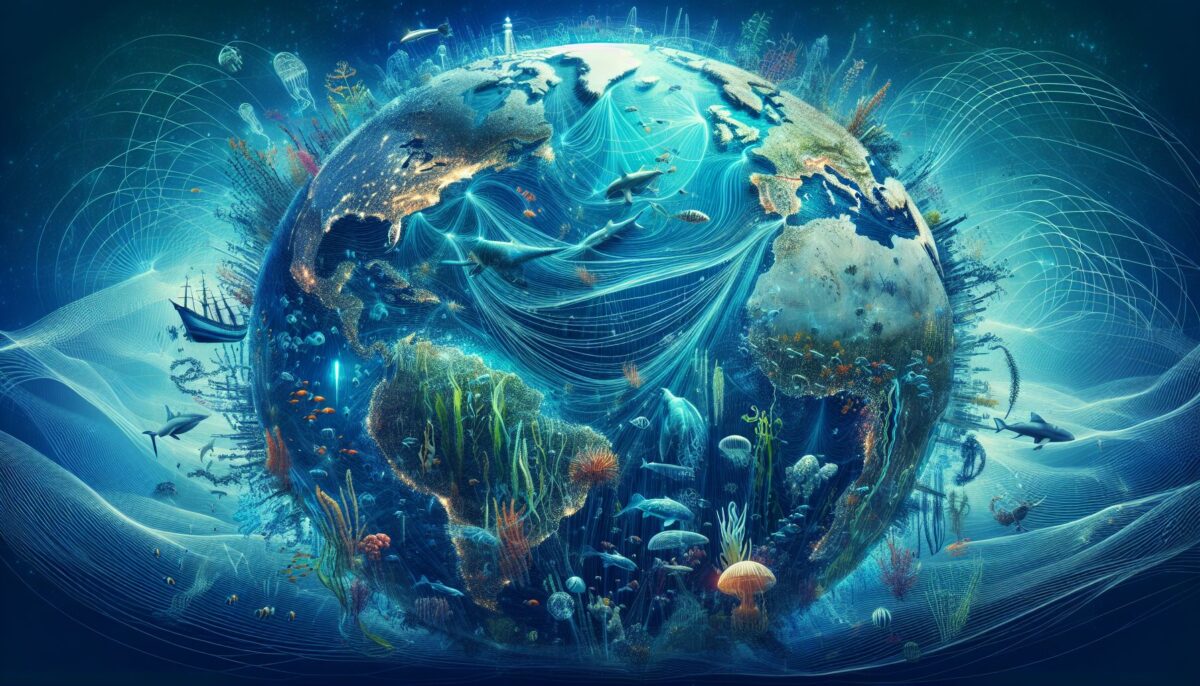
Oceans cover more than 70% of the Earth’s surface, and their depths harbor some of the world’s most enigmatic secrets and profound mysteries. Among these secrets are ocean currents—a complex system of surface and deep water movements that play a crucial role in shaping the climate, marine life, and human activities. In this article, we delve into the depths of the ocean to unravel the significance of these currents and their far-reaching impacts on the planet and our lives.
Table of Contents
- Introduction to Ocean Currents
- Types of Ocean Currents
- Factors Influencing Ocean Currents
- Significance of Ocean Currents
- Effects of Climate Change on Ocean Currents
- Ocean Currents and Navigation
- Future of Ocean Current Research
- Conclusion
- References
Introduction to Ocean Currents
Ocean currents are continuous movements of seawater generated by various forces acting upon the water, including wind, the Earth’s rotation, salinity differences, and temperature gradients. These currents flow for thousands of kilometers at various depths and speeds and are the marine equivalent of the wind patterns that circulate around our atmosphere. Their influence extends far beyond just the marine environment, affecting weather patterns, sea life, and human activities.
Types of Ocean Currents
Ocean currents come in two main types: surface currents and deep ocean currents.
Surface Currents
Surface currents constitute the upper 400 meters of the ocean and are primarily driven by the wind. These currents often follow the prevailing winds in the atmosphere, such as the trade winds in the tropics and the westerlies in temperate regions.
Deep Ocean Currents
Deep ocean currents, also known as the thermohaline circulation, are driven by differences in water density, which are caused by variations in temperature and salinity. Cold, salty water is denser than warm, less salty water. This difference in density creates a slow-moving circulation that can span the entire globe.
Factors Influencing Ocean Currents
Ocean currents are influenced by a variety of factors:
Wind
Wind provides the initial force that sets surface currents in motion. The prevailing winds, such as the trade winds and the westerlies, push the water in consistent directions over time.
Coriolis Effect
The rotation of the Earth causes the Coriolis effect, which deflects currents to the right in the Northern Hemisphere and to the left in the Southern Hemisphere. This effect is crucial for the formation of the circular patterns known as gyres in the major ocean basins.
Salinity and Temperature
Salinity and temperature directly affect water density. When seawater is cooled or gains more salt, it becomes denser and sinks, facilitating the formation of deep ocean currents.
Topography of the Seafloor
The shape and features of the ocean basin floors can guide and channel the flow of ocean currents. Submarine mountain ranges and deep ocean trenches can have considerable impacts on the path and speed of these currents.
Significance of Ocean Currents
Ocean currents have profound impacts on the planet, affecting both marine life and human endeavors.
Climate Regulation
One of the primary roles of ocean currents is to regulate the Earth’s climate by redistributing heat around the globe. For example, the Gulf Stream carries warm water from the tropics to the North Atlantic, moderating the climate of Western Europe.
Marine Ecosystems
Currents also transport nutrients from deep waters to the surface, supporting phytoplankton growth and the marine food web. The upwellings caused by these nutrient-rich waters are essential for healthy marine ecosystems and productive fisheries.
Human Activities
Sea currents significantly influence maritime trade by affecting the speed and direction of shipping routes. Moreover, understanding currents is crucial for oil spill cleanup operations and search-and-rescue missions.
Effects of Climate Change on Ocean Currents
Climate change poses a threat to the stability of ocean currents. Changes in temperature and precipitation patterns can alter the salinity and density of seawater, which can disrupt the thermohaline circulation, potentially leading to dramatic changes in the climate.
Ocean Currents and Navigation
Historically, seafarers have taken advantage of ocean currents to navigate the vast oceans. Even today, understanding currents is vital for plotting the most efficient course, which can save both time and fuel.
Future of Ocean Current Research
The continuous monitoring and study of ocean currents is critical for climate models, preservation of marine ecosystems, and ensuring safe maritime operations. Improvements in satellite technology and underwater robotics are among the advancements that promise a deeper understanding of ocean current dynamics in the future.
Conclusion
Ocean currents are more than just a feature of our marine environment; they are dynamic forces that shape our weather, sustain marine life, and impact human activities in countless ways. Their influence extends from the deepest waters to the farthest reaches of the atmosphere, making them a subject of endless fascination and crucial importance.
References
- National Ocean Service. (n.d.). What are ocean currents? Retrieved from https://oceanservice.noaa.gov/facts/current.html
- Ocean and Earth Science, National Oceanography Centre Southampton. (n.d.). _Ocean
