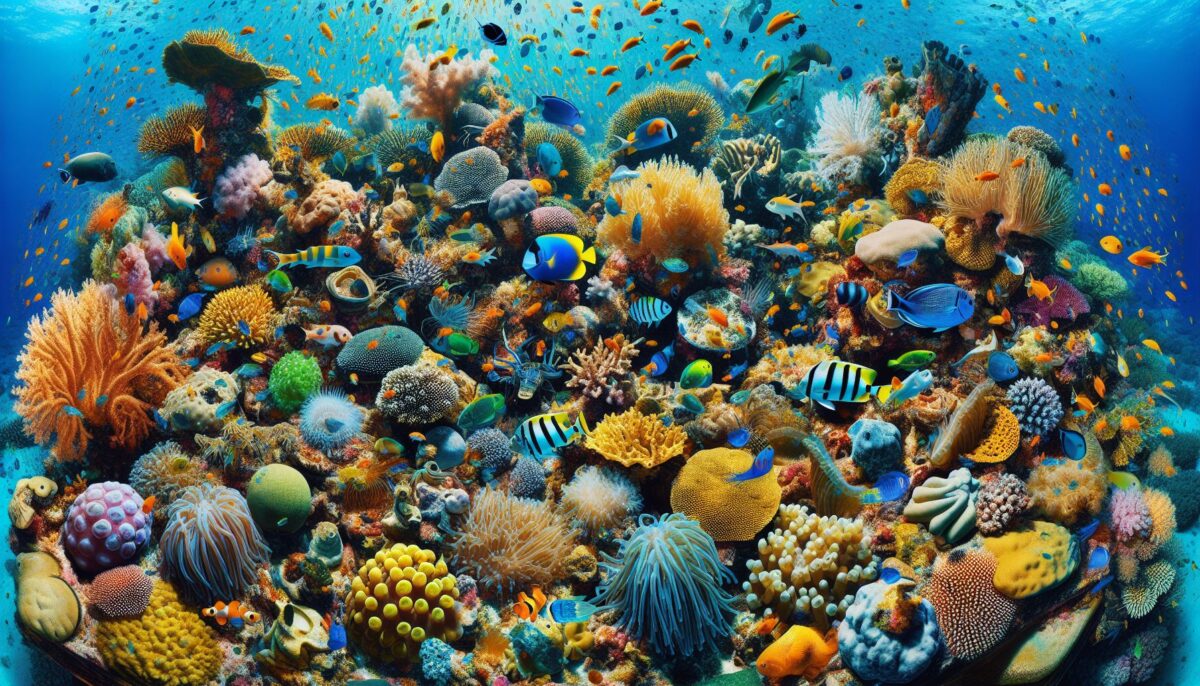
Coral reefs, often described as the rainforests of the sea, are home to a spectacularly diverse array of organisms. Towering structures built over thousands of years by tiny coral polyps, reefs provide critical habitat for an estimated 25% of all marine species despite covering less than 1% of the ocean floor. In this extensive exploration, we will dive into the wonderous underwater world of coral reefs, examining their biodiversity, the escalating threats they face, and the global efforts underway to preserve and restore these vital marine ecosystems.
The Ecological Significance of Coral Reefs
Covering an area of approximately 284,300 square kilometers globally, coral reefs (ReefBase), the intricate and vibrant marine ecosystems, support a wealth of biodiversity. From microscopic plankton to the elusive apex predators, coral reefs are bustling with life. As essential nurseries for many marine species, reefs contribute to the ocean’s overall health and to human well-being, offering food, coastal protection, and a source of income to hundreds of millions of people worldwide.
Coral Diversity and Marine Inhabitants
Coral reefs are built by and made up of thousands of species of corals. These animals belong to the phylum Cnidaria, which also includes jellyfish and anemones. Corals engage in a symbiotic relationship with microscopic algae known as zooxanthellae, which live within their tissues and provide the corals with much of the energy they need through photosynthesis.
In this bustling underwater city, fish of every hue dart through the labyrinthine corridors of the reef structure. Graceful schools of anthias and damselfish, formidable sharks, and elusive octopuses play their roles in the intricate web of aquatic life. Moreover, the nooks and crannies of reefs are home to innumerable invertebrates, such as shrimps, sea stars, urchins, and mollusks.
Ecosystem Services
Reefs provide a range of ecosystem services that are invaluable to both marine life and humans. They protect coastlines from the damaging effects of wave action and tropical storms, help prevent coastal erosion, and maintain water quality. Economies also benefit from these ecosystems through tourism and fisheries, which form an essential part of the livelihood for many communities around the world.
The Looming Threats to Coral Reefs
Despite their resilience, coral reefs are facing unprecedented threats that have resulted in alarming declines in their health and extent. Some of the most significant challenges include:
Climate Change and Coral Bleaching
As greenhouse gas emissions continue to drive global temperatures upward, the delicate balance between corals and their symbiotic algae is disturbed. Warmer waters can lead to a phenomenon known as coral bleaching, where corals expel their algae, leading to their death if prolonged. This not only affects individual coral colonies but can lead to large-scale reef degradation, as witnessed by the massive bleaching events on the Great Barrier Reef in recent years (ARC Centre of Excellence for Coral Reef Studies).
Ocean Acidification
The ocean absorbs about 30% of the carbon dioxide released into the atmosphere, which results in a reduction in seawater pH, a process known as ocean acidification. Acidified waters make it more difficult for corals to build their calcium carbonate skeletons, threatening the very foundation of the reef ecosystem.
Overfishing and Destructive Fishing Practices
Excessive and unsustainable fishing practices can deplete key reef species, disrupt predator-prey relationships, and damage coral structures. The use of destructive fishing methods, such as blast fishing and cyanide fishing, is particularly devastating.
Pollution and Runoff
Coral reefs are often negatively impacted by pollution from land-based sources. Runoff carrying sediments, nutrients, and contaminants can smother corals and trigger harmful algal blooms. Marine debris, such as plastic waste, poses physical threats to corals and marine life that become entangled or ingest the debris.
Disease Outbreaks
Coral diseases can spread rapidly and have the potential to wipe out large sections of reef. While the exact causes of many coral diseases are not fully understood, there’s a consensus that a combination of factors including rising sea temperatures, pollution, and physical damage is likely to compromise the corals’ immune systems, making them more susceptible to disease.
Conservation and Restoration Initiatives
Marine Protected Areas (MPAs)
Marine Protected Areas (MPAs) have become a cornerstone of coral reef conservation. By restricting activities such as fishing and coastal development, MPAs help to ensure that ecosystems remain resilient. Globally, numerous reefs are now protected within MPAs, although enforcing these protected zones remains a challenge (Marine Conservation Institute).
Coral Restoration Projects
Around the world, scientists and conservationists are actively working on coral restoration projects to rehabilitate damaged reefs. These efforts often involve growing corals in nurseries and then transplanting them to degraded areas. Restoration can improve the structural complexity of reefs and boost their recovery from disturbances.
Reducing Carbon Footprint
To address the root cause of coral bleaching and ocean acidification, global efforts to reduce carbon emissions are essential. International accords like the Paris Agreement aim to limit global warming, which could help mitigate the most severe impacts on coral reef systems.
Sustainable Fishing Practices
Implementing sustainable fishing practices and managing fisheries can prevent overfishing and reduce damage to coral reefs. Protecting key species, enforcing no-take zones, and promoting responsible fishing techniques are all integral to maintaining the balance of reef ecosystems.
Educational Programs
Educating the public about the importance of coral reefs and the threats they face can lead to increased support for conservation efforts. Engaging local communities, particularly those that rely on reefs, in the stewardship of these ecosystems is crucial for their long-term survival.
Conclusion
Coral reefs are remarkable and irreplaceable treasures of the marine world, thriving hotbeds of biodiversity and lifelines for countless species, including humans. They face serious threats, many of which are accelerating due to human activities. However, concerted global efforts to protect and restore these ecosystems offer hope for their future.
As individuals, we can contribute to coral reef conservation by reducing our carbon footprint, supporting sustainable seafood, avoiding products that harm the environment, and advocating for stronger protection and management of these vital ecosystems. By understanding and acting upon the challenges coral reefs face, we can work towards preserving their splendor and ecological services for generations to come.
