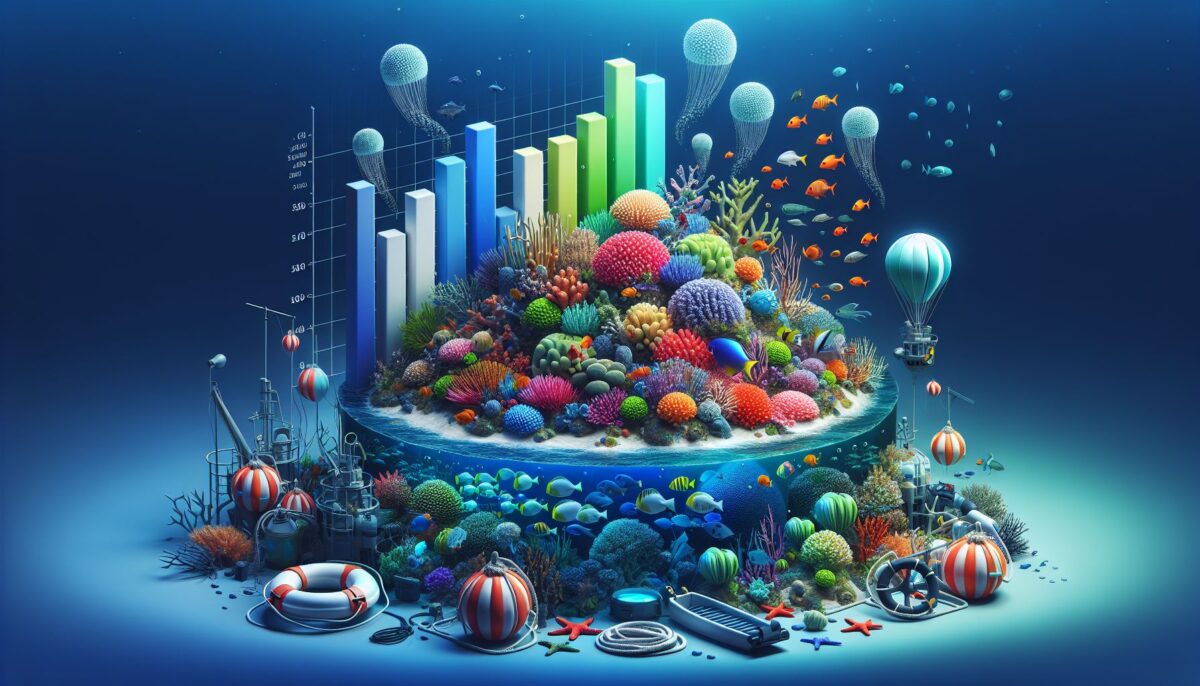
Coral reefs, often referred to as the “rainforests of the sea,” are vital to marine biodiversity and the burgeoning blue economy. As structures made of calcium carbonate secreted by corals, these underwater ecosystems are among the most diverse and valuable on Earth. However, due to human activities and climate change, they are also some of the most threatened. This article delves into the importance of coral reefs, the risks they face, and efforts to preserve and sustainably use them for future generations.
The Marvels of Coral Reefs
Coral reefs are formed by colonies of coral polyps held together by calcium carbonate. These vibrant marine habitats are home to over a quarter of all marine fish species, making them critical centers for marine biodiversity. Reefs support a variety of organisms, including fish, crustaceans, mollusks, sponges, and algae. Their complex structures provide numerous niches for different species to thrive, contributing to the intricate web of marine life.
Biodiversity Hotspots
Each reef is a biodiversity hotspot, hosting a multitude of species that depend on each other for survival. The symbiotic relationship between coral polyps and zooxanthellae (tiny algae that live within the coral tissues) is fundamental to reef ecosystems. These algae provide corals with food through photosynthesis, while the coral offers protection and access to sunlight.
Nurseries of the Sea
Coral reefs serve as breeding grounds for many marine species. The sheltered environment protects the young from predators, giving them a higher chance of survival. This nursery function is crucial not only for reef inhabitants but also for species that spend their adult lives in open waters.
Coastal Protection
The physical structure of coral reefs protects shores from the impact of waves and storms, reducing coastal erosion. This safeguarding role is becoming increasingly important as climate change exacerbates the intensity of storms and sea-level rise threatens coastal communities.
The Blue Economy and Coral Reefs
The blue economy encompasses sustainable economic growth that comes from the sea. Coral reefs contribute significantly to this sector, providing resources and services that benefit millions of people worldwide.
Fisheries and Aquaculture
Reefs are essential to the livelihoods of millions of small-scale fishers who depend on them for fish resources. Healthy reefs support productive fisheries and aquaculture, which supply food and income.
Tourism
The aesthetic value of coral reefs attracts tourists from around the globe, generating billions of dollars annually. Activities like snorkeling, diving, and glass-bottom boat tours offer people the chance to experience the wonders of coral ecosystems, and this revenue is critical for many coastal economies.
Medical Discoveries
Bioactive compounds extracted from reef organisms have contributed to medical discoveries, including treatments for cardiovascular diseases and potential cancer therapies. The potential for future discoveries remains vast, highlighting the value of coral biodiversity.
Threats to Coral Reefs
Despite their significance, coral reefs face numerous threats, primarily due to human activities.
Climate Change
The most pressing threat is climate change, which causes ocean temperatures to rise, leading to coral bleaching. When water is too warm, corals expel the algae that provide them with food, causing them to turn white and, if the stress continues, to die.
Ocean Acidification
Increased levels of carbon dioxide in the atmosphere are absorbed by oceans, resulting in acidified waters that hinder the ability of corals to secrete their calcium carbonate skeletons.
Overfishing
Overfishing can deplete key reef species and upset the ecological balance, while destructive fishing methods, such as using dynamite or cyanide, damage the coral structure itself.
Coastal Development
Coastal development activities, including land reclamation, sedimentation, and pollution, can degrade coral reefs through direct physical destruction and the introduction of harmful substances.
Pollution
Nutrient-rich pollutants, such as agricultural runoff, can cause algal blooms that smother corals. Additionally, marine debris and oil spills can be physically harmful and toxic to coral reef communities.
Conservation and Sustainable Use
Preserving coral reefs requires a multifaceted approach that combines conservation, sustainable usage, and restoration efforts.
Marine Protected Areas (MPAs)
The establishment of MPAs, where human activities are regulated, has proven beneficial for coral reef conservation. Proper management of MPAs can enhance fish stocks and biodiversity while affording protection to the coral structure itself.
Sustainable Tourism
Eco-friendly tourism practices, such as controlling visitor numbers and ensuring environmentally responsible behavior, can minimize the impact of tourism on reefs while still providing economic benefits.
Restoration Efforts
Coral gardening and reef restoration projects aim to rehabilitate damaged reefs by growing coral fragments in nurseries before transplanting them to degraded areas.
Global and Local Engagement
Addressing the threat of climate change requires global cooperation to reduce greenhouse gas emissions. At the local level, communities can work to reduce pollution and manage resources sustainably to benefit both the reefs and the people who depend on them.
Conclusion
Coral reefs are treasure troves of biodiversity and fundamental components of the blue economy. Their health is vital for the sustenance of marine life, the protection of coastal regions, and the thriving of economic activities associated with them. We all share the responsibility to protect these irreplaceable ecosystems for the prosperity of current and future generations.
Sources
- Spalding, M. D., Ravilious, C., & Green, E. P. (2001). World Atlas of Coral Reefs. United Nations Environment Programme, World Conservation Monitoring Centre. University of California Press.
- Hoegh-Guldberg, O., et al. (2007). Coral Reefs Under Rapid Climate Change and Ocean Acidification. Science, 318(5857), 1737-1742.
- Cesar, H., Burke, L., & Pet-Soede, L. (2003). The Economics of Worldwide Coral Reef Degradation. Cesar Environmental Economics Consulting (CEEC).
