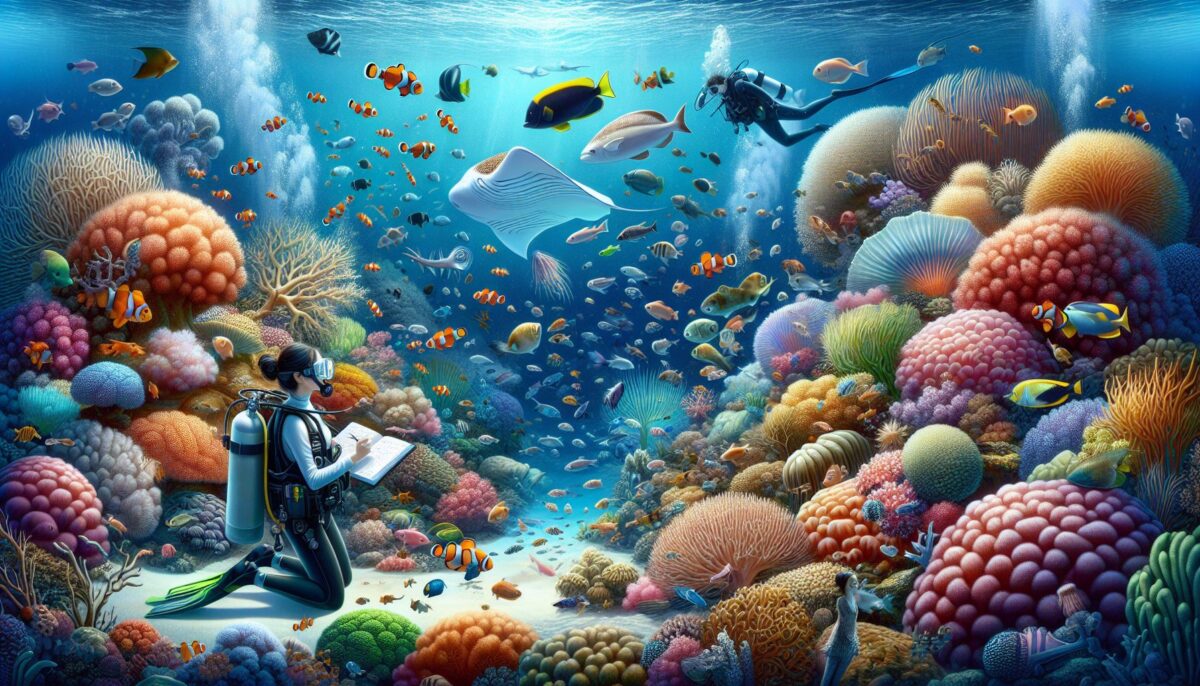
The ocean, a vast and mysterious realm, covers more than 70% of the Earth’s surface. It houses a plethora of life forms, ranging from the tiniest plankton to the largest mammals on the planet. The term marine biodiversity encapsulates the variety of life in the ocean. This article dives deep into the importance of marine biodiversity, the threats it faces, and the efforts to conserve it.
What is Marine Biodiversity?
Marine biodiversity refers to the variety and variability of life forms within ocean ecosystems. It encompasses genetic diversity within species, the diversity of species themselves, and the variety of habitats and ecosystems. This diversity ensures the health and stability of the ocean and contributes to its resilience against environmental changes.
Genetic Diversity
At the most basic level, genetic diversity within marine species is crucial for their adaptability and survival. The greater the genetic diversity, the more likely a species can withstand diseases, temperature shifts, and other environmental insults.
Species Diversity
Moving up a level, species diversity keeps ecosystems balanced. Predators, prey, and the various trophic levels all interact in a complex dance, maintaining ecosystem functions like nutrient cycling and energy flows.
Ecosystem Diversity
Lastly, the diversity of marine ecosystems themselves, such as coral reefs, kelp forests, and deep-sea vents, create a mosaic of habitats. Each habitat has its own set of species and ecological processes.
Importance of Marine Biodiversity
The ocean’s biodiversity is not only important for its ecological value but also for its economic, scientific, cultural, and aesthetic worth.
Source of Food
Fisheries depend on a variety of species, ensuring food security for millions of people worldwide. According to the Food and Agriculture Organization (FAO), more than 3 billion people rely on seafood as a primary source of protein.
Medical Discoveries
The ocean’s biodiversity has been a source of bioactive compounds that have led to breakthroughs in medicine. Novel compounds have been discovered that have applications in treating cancer, pain, bacterial infections, and inflammation.
Climate Regulation
Marine organisms play a significant role in regulating the global climate. Phytoplankton, for example, contributes significantly to oxygen production and carbon sequestration.
Protection of Shorelines
Ecosystems like mangrove forests and coral reefs shield coastlines from erosion and reduce the impact of storms and tsunamis, protecting human communities.
Economy and Livelihoods
Ocean tourism, diving, and snorkeling are all closely linked to the richness of marine life. Additionally, entire industries and livelihoods depend on the resources extracted from the ocean.
Threats to Marine Biodiversity
Despite its importance, marine biodiversity faces a multitude of threats.
Overfishing
Excessive and unsustainable fishing practices have led to the depletion of fish stocks and the disruption of marine food webs.
Climate Change and Ocean Acidification
Rising temperatures cause coral bleaching, while increased CO2 levels lead to ocean acidification, harming shell-forming organisms and disrupting ecological balance.
Habitat Destruction
Coastal development, trawling, and destructive fishing practices destroy habitats that are crucial for the life cycles of many marine species.
Pollution
Marine debris, plastics, oil spills, and agricultural runoff introduce toxins into the marine environment, harming wildlife and ecosystems.
Invasive Species
Invasive species, often introduced through ship ballast water or the aquarium trade, can outcompete native species, altering ecosystem dynamics.
Conservation Efforts
Recognizing these threats, various efforts are underway to protect and preserve marine biodiversity.
Marine Protected Areas (MPAs)
Designated MPAs restrict human activity to protect biodiversity hotspots. The International Union for Conservation of Nature (IUCN) provides a framework for classifying protected areas based on their objectives.
Sustainable Fishing
Fishery management programs and certification schemes, like the Marine Stewardship Council (MSC), promote sustainable fishing practices.
Marine Pollution Control
Efforts to control and reduce pollution include better waste management on land, stricter regulations on marine dumping, and international agreements like the MARPOL Convention.
Meetings and Agreements
International meetings and agreements, such as the United Nations Convention on the Law of the Sea (UNCLOS), seek to coordinate efforts across nations to tackle issues such as overfishing and habitat protection.
Restoration Projects
Projects to restore habitats, such as coral transplantation and the establishment of artificial reefs, help to repair damaged ecosystems.
The Future of Marine Biodiversity
Looking toward the future, it is crucial to enhance our commitment to understanding and protecting marine biodiversity. Research in marine science must continue to uncover the complex interactions within the ocean’s ecosystems and the role of biodiversity in maintaining them. Equally important is education and public awareness, leading to greater participation in conservation efforts.
Sustainable development that considers the long-term health of marine ecosystems should be the guiding principle for our economic activities. As part of the overarching goal of a “Blue Economy,” we must strive to balance economic benefits with the preservation of marine life.
In conclusion, marine biodiversity is an invaluable and indispensable resource that requires our vigilant stewardship. As custodians of the Earth, it is our responsibility to ensure that the beauty, wealth, and wonders of the ocean continue to thrive for generations to come.
