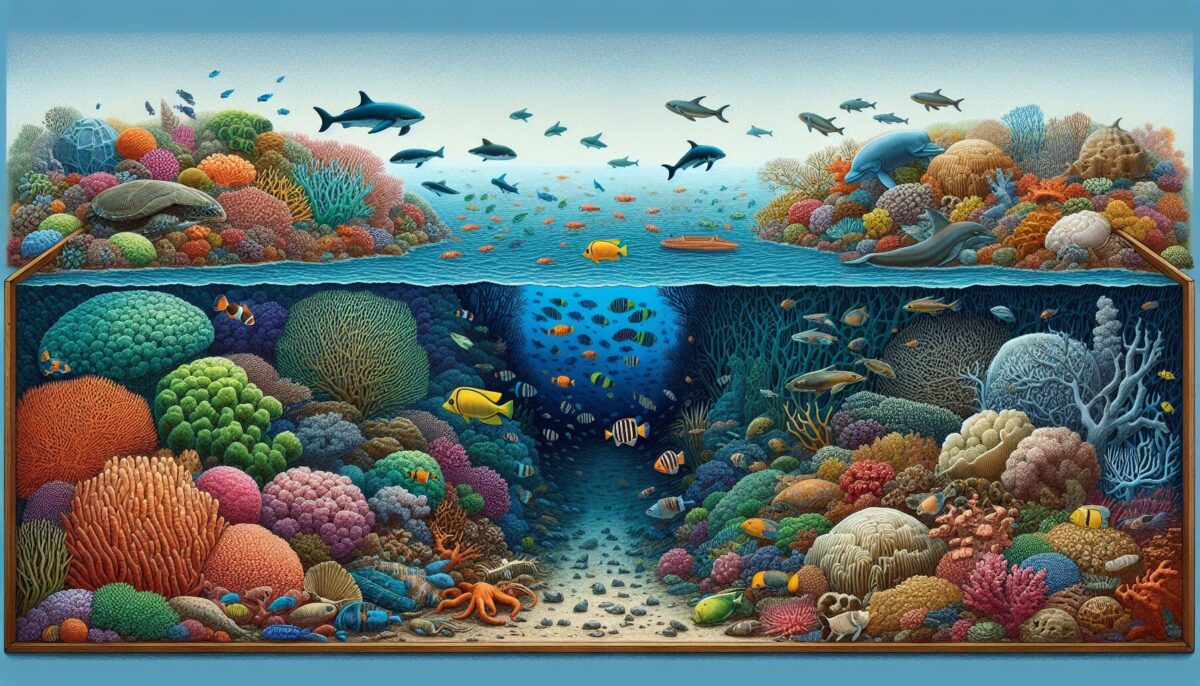
The ocean covers over 70% of the Earth’s surface and is home to a rich tapestry of life, unparalleled in its diversity and complexity. From the smallest plankton to the largest whales, marine ecosystems support a plethora of organisms that are crucial to both the environmental balance and the economic stability of communities worldwide. However, increasing human activities have put immense pressure on these fragile ecosystems. One of the pivotal strategies for conserving marine life and ensuring sustainable use of marine resources is the establishment of Marine Protected Areas (MPAs). In this article, we will dive into the significance of MPAs, their benefits, challenges, and the future of ocean conservation.
Understanding Marine Protected Areas (MPAs)
Marine Protected Areas are clearly defined geographical spaces in the ocean, recognized for their significant natural or cultural resources, which are managed through legal or other effective means to conserve marine life and its habitat. MPAs vary widely in purpose, legal status, agencies responsible for their management, and the level of protection they offer.
Why MPAs are Essential
-
Biodiversity Conservation: MPAs safeguard critical habitats such as coral reefs, seagrass beds, and mangroves, which are hotspots for marine biodiversity.
-
Fisheries Management: By providing a safe haven for fish populations to breed and grow, MPAs can enhance fisheries’ productivity outside their boundaries.
-
Resilience Against Climate Change: Protected areas can enhance the resilience of marine ecosystems to withstand the adverse effects of climate change, including ocean acidification and coral bleaching.
-
Cultural and Recreational Value: Many MPAs preserve areas of cultural significance and support recreational activities like diving and eco-tourism, which contribute to local economies.
Different Types of MPAs
-
No-take Zones: Areas where all extractive activities like fishing and mining are prohibited.
-
Partially Protected Areas: Places that allow limited take under specific regulations to balance protection and sustainable use.
-
Multi-use MPAs: Areas managed for conservation alongside permissible commercial activities.
Examples of Effective MPAs
-
Great Barrier Reef Marine Park, Australia: The world’s largest coral reef system, offering protection for thousands of species.
-
Papahānaumokuākea Marine National Monument, USA: One of the largest marine conservation areas globally, home to over 7,000 marine species.
-
Galápagos Marine Reserve, Ecuador: Encompassing the waters around the Galápagos Islands, this MPA protects a range of endemic species.
The Benefits of Marine Protected Areas
MPAs not only protect marine life and habitats but also provide a host of ecosystem services and economic benefits, which include:
-
Fisheries Spillover: MPAs serve as nurseries for fish, with juveniles often spilling over into surrounding areas, improving catches for local fisheries.
-
Tourism and Recreation: MPAs attract tourists interested in diving, snorkeling, and experiencing marine life, which generates income for local communities.
-
Scientific Research: MPAs provide ideal sites for scientific research which can inform broader conservation strategies and management practices.
-
Ecosystem Services: Preserving ecosystems like mangroves and coral reefs helps in carbon sequestration, coastline protection, and maintaining water quality.
Challenges Facing MPAs
Despite their numerous benefits, implementing and managing MPAs face several challenges:
-
Enforcement: Policing vast ocean spaces to prevent illegal activities is often resource-intensive and difficult.
-
Climate Change: Global warming and associated phenomena can undermine the ecological integrity of MPAs.
-
Funding: Many MPAs struggle with inadequate funding for management, monitoring, and enforcement activities.
-
Local Opposition: MPAs can face resistance from local communities if they are seen to restrict traditional fishing rights or access to resources.
The Future of Marine Conservation
Marine conservation is an ever-evolving field, with several new initiatives and technologies aiding the effectiveness of MPAs:
-
Technology in Enforcement: The use of satellite surveillance, drones, and AI for monitoring protected areas is on the rise.
-
Community Involvement: Engaging local communities in the establishment and management of MPAs can ensure their long-term success.
-
Marine Spatial Planning: Advanced tools for spatial planning help in balancing the needs of conservation with those of sustainable use.
-
International Collaboration: Transboundary MPAs and international agreements, such as the High Seas Treaty, are critical for protecting migratory species and high seas.
Conclusion
Marine Protected Areas are cornerstone initiatives in ocean conservation, which require careful planning, adequate funding, and global cooperation to reach their full potential in protecting Earth’s marine biodiversity. They are not just sanctuaries for marine life but also contribute significantly to human welfare through the multitude of services they provide.
Sources
-
“Marine Protected Areas: An Overview.” NOAA National Ocean Service. https://oceanservice.noaa.gov/ecosystems/mpa/
-
“The Benefits of Marine Protected Areas.” IUCN. https://www.iucn.org/resources/issues-briefs/marine-protected-areas
-
“Global Perspectives on Marine Environmental Conservation.” United Nations Environment Programme. https://www.unep.org/explore-topics/oceans-seas
