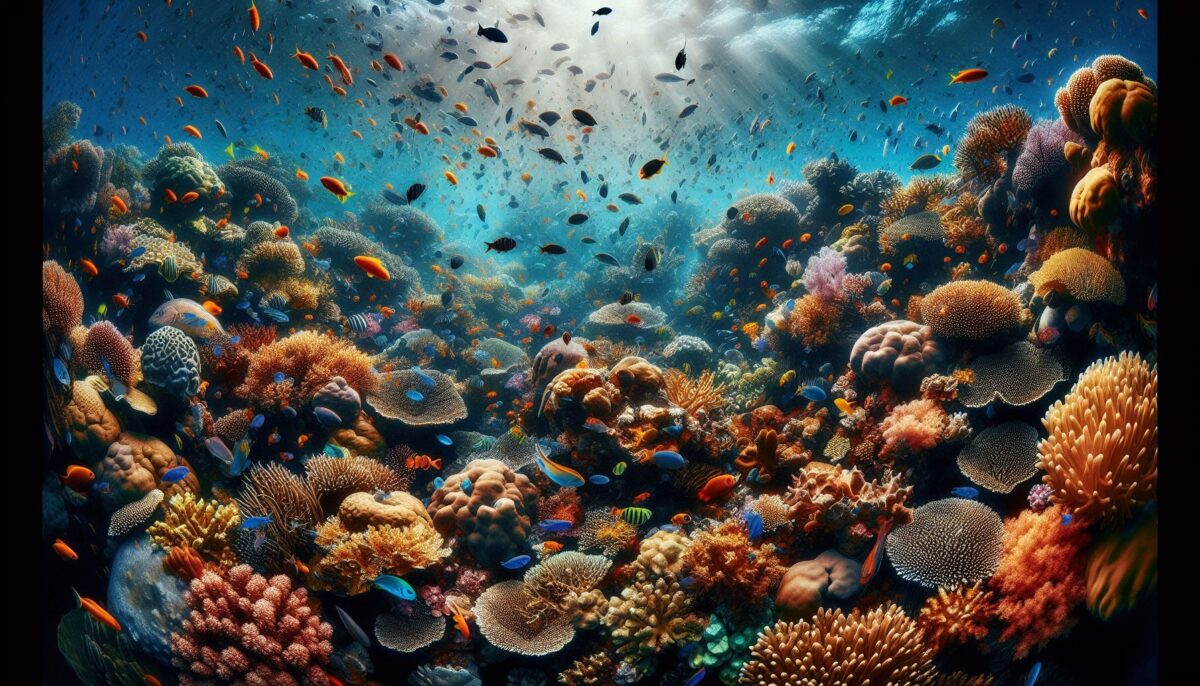
Coral reefs, often referred to as the “rainforests of the sea,” are some of the most diverse and valuable ecosystems on Earth. They are not just vibrant underwater landscapes teeming with life, but they also offer substantial benefits to both marine life and humans. These breathtaking formations deserve our attention, as they currently face multiple threats directly linked to human activities.
Understanding Coral Reefs and Their Global Importance
Coral reefs are intricate marine structures composed of the skeletons of colonial marine invertebrates called coral. These animals live in symbiosis with tiny, photosynthetic algae called zooxanthellae. The algae provide corals with food resulting from photosynthesis, while corals provide a protected environment and the compounds necessary for photosynthesis.
Key Ecosystem Services
Coral reefs provide a multitude of ecosystem services. They:
- Support Marine Biodiversity: Coral reefs are home to over a quarter of all marine species. This includes thousands of species of fish, mollusks, crustaceans, and many other marine organisms.
- Protect Coastlines: They act as natural barriers, absorbing wave energy and reducing the impact of storms on adjacent coastal communities.
- Economic Value: They contribute to the economy through tourism, fisheries, and medicine. Globally, coral reefs are estimated to have an average annual economic value of several tens of billions of dollars.
- Cultural Significance: Many indigenous communities have deep cultural connections to coral reef systems, relying on them for food, cultural practices, and their sense of identity.
Biodiversity Hotspots
The diversity found within coral reefs is astonishing. They are home to myriad species, each adapted to life in this complex habitat. Some species, like the parrotfish, play crucial roles within the ecosystem such as grazing on algae that otherwise could suffocate corals.
Threats Faced by Coral Reefs
Despite their significance, coral reefs are under threat from multiple areas, including:
- Climate Change: Rising sea temperatures lead to coral bleaching, where corals lose their symbiotic algae, and subsequently their color and primary source of food.
- Ocean Acidification: Increased levels of atmospheric CO₂ are absorbed by the ocean, reducing its pH and carbonate ion concentration, which corals need to build their skeletons.
- Overfishing: This disrupts the balance of reef ecosystems and can lead to the proliferation of algae against which corals compete for space and sunlight.
- Destructive Fishing Practices: The use of explosives or cyanide to catch fish destroys coral structures.
- Pollution: Agricultural runoff, sewage, and other pollutants can smother corals or promote the growth of harmful algae.
- Sedimentation: Deforestation and coastal development can lead to increased erosion and sediment deposition on reefs.
- Unsustainable Tourism: Physical damage from anchors, trampling by visitors, and local pollution can degrade reefs.
Conservation Efforts
Efforts to save and restore coral reefs include:
- Marine Protected Areas (MPAs): Designating areas where human activity is limited to conserve marine ecosystems and promote biodiversity.
- Sustainable Fishing Practices: Implementing quotas and size limits and banning harmful practices to maintain fish populations that are vital to coral health.
- Reducing Carbon Footprint: Mitigating climate change by reducing emissions will help stabilize ocean temperatures and pH levels.
- Public Education and Awareness: Teaching people about the value of coral reefs and how to enjoy them responsibly.
Coral Reefs and the Blue Economy
The concept of the blue economy encompasses the sustainable use of ocean resources for economic growth, improved livelihoods, and ocean ecosystem health. Coral reefs are integral to this as they support fisheries and tourism. By investing in the health of coral reefs, we can ensure the economic practices that rely on them are both profitable and sustainable in the long term.
The Role of Science and Technology
Advancements in science and technology offer new hope for coral reef conservation. Coral gardening and reef restoration projects are increasingly successful thanks to improvements in coral propagation techniques. Also, remote sensing and GIS (Geographic Information Systems) tools provide critical data for monitoring reef health and designing effective conservation strategies.
Conclusion: A Call to Action for Coral Reefs
Coral reefs are not only a cornerstone for marine life but also a vital asset for human societies. Preserving them requires global cooperation and action from individuals, communities, and governments worldwide. It’s a challenging endeavor but a necessary one to protect these underwater paradises and the broad array of life that depends on them.
Sources:
- “Coral Reefs.” National Oceanic and Atmospheric Administration (NOAA). https://www.noaa.gov/education/resource-collections/marine-life-education-resources/coral-reefs
- “Coral Reef Conservation.” World Wildlife Fund (WWF). https://www.worldwildlife.org/initiatives/coral-reefs
- “The Economics of Ecosystems and Biodiversity for National and International Policy Makers 2009.” TEEB. http://teebweb.org/publications/teeb-for/synthesis/
