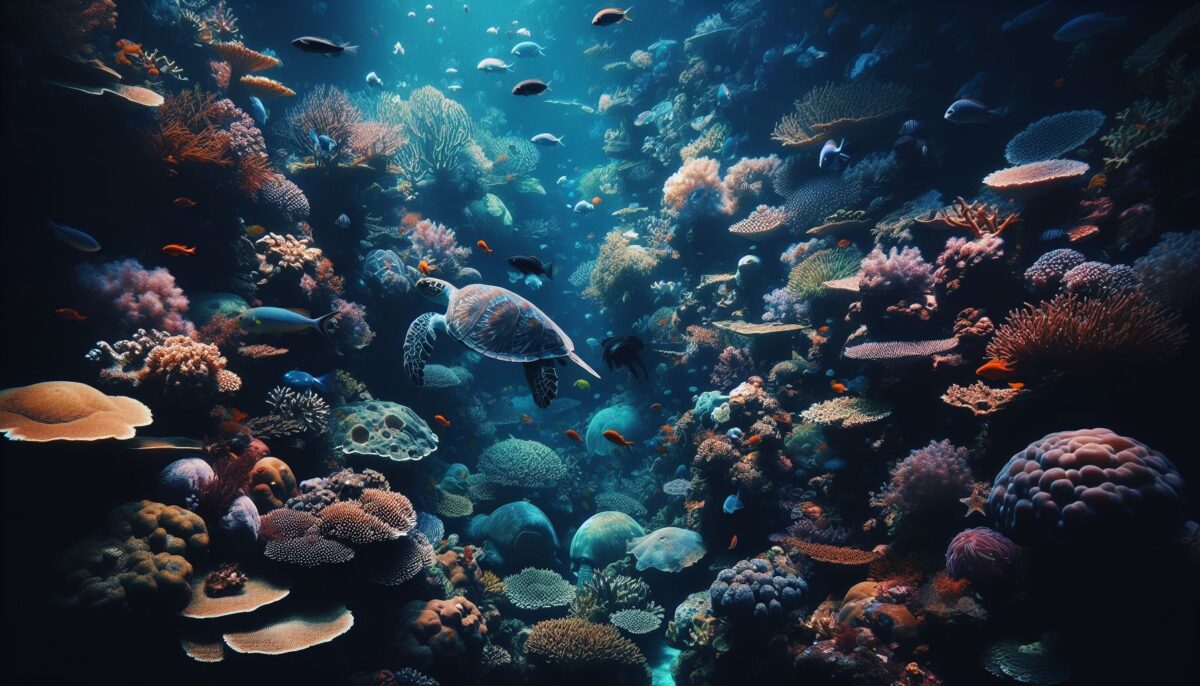

The undersea world is enchanting, mysterious, and filled with awe-inducing beauty. Its most elaborate and expansive living art exhibits are the vibrant and varied coral reefs that grace our planet’s oceanic waters. Often dubbed as ‘rainforests of the sea,’ due to their immense biodiversity. The unassuming behemoth, made up of thousands of tiny creatures, plays a central role in the balance and health of marine ecosystems.
This article explores the subject of coral reefs, their importance, the threats they face, and the efforts to protect and restore them.
A Complex Ecosphere
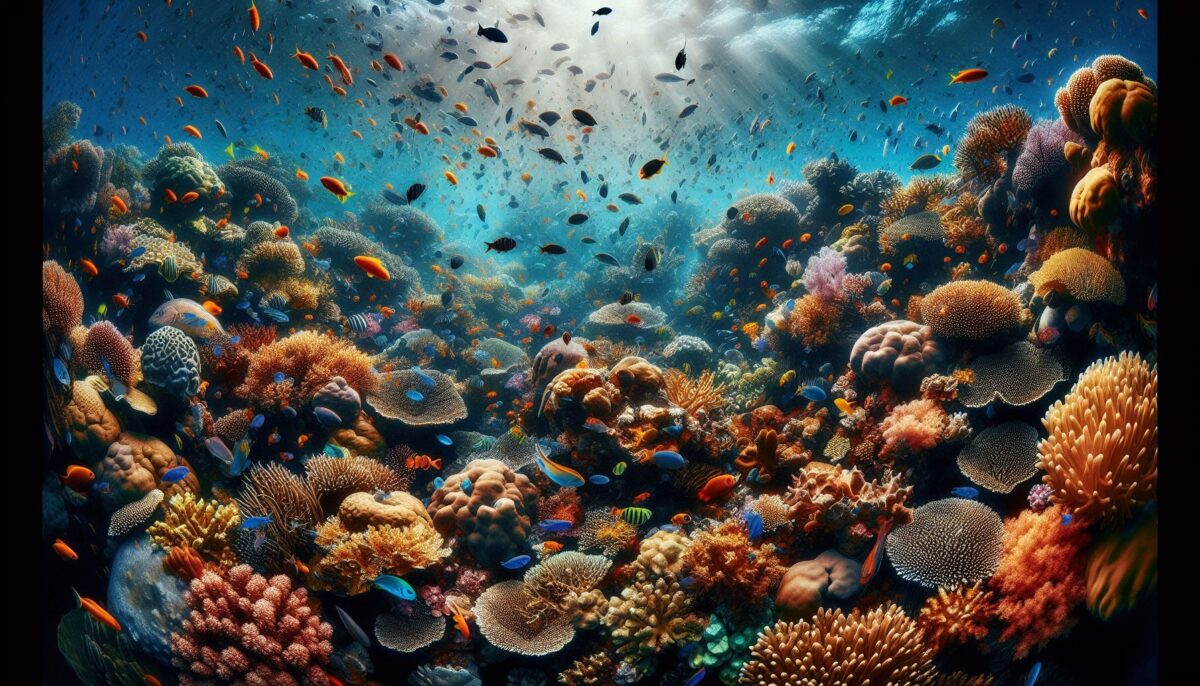
Made up of thousands of minuscule animals called coral polyps, a coral reef is a marvel of organic cooperation and symbiotic relationships[^1^]. The polyps produce a hard calcium carbonate structure that serves as their home, and together, tons of these polyps form the vast and varied structures we know as coral reefs.
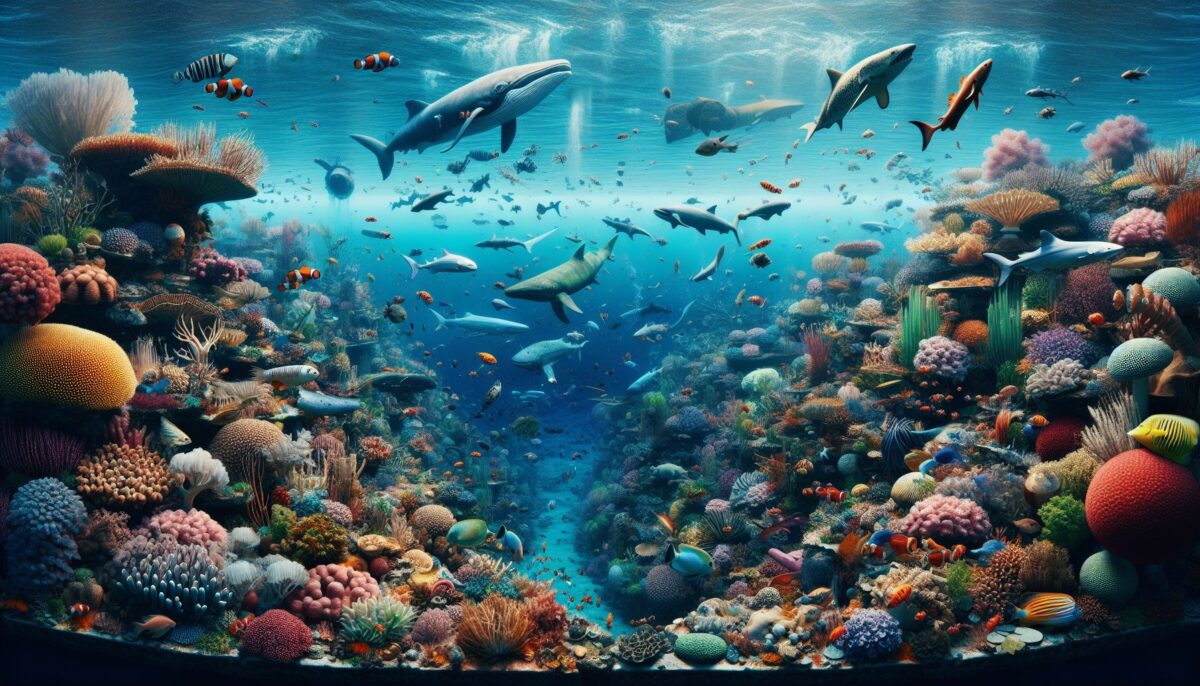
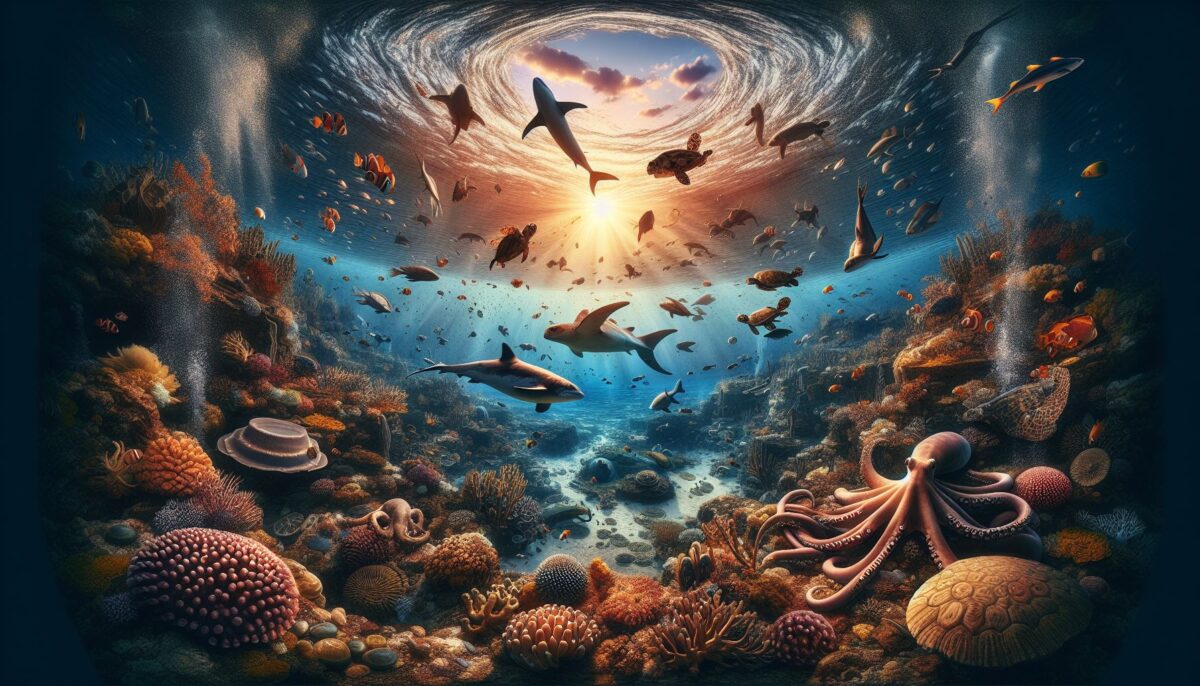
Coral Reefs are homes to an estimated one-quarter of all ocean species while covering less than half a percent of the ocean floor[^2^]. This includes various species of colorful fish, shellfish, mollusks, and a vast plenitude of microorganisms. The complex maze-like structure of a reef provides the perfect refuge and breeding ground for these numerous species, leading to a diverse ecosystem that is second only to the tropical rainforest in species richness.
The Importance of Coral Reefs
Coral reefs are incredibly important as they not only provide a habitat for a vast array of marine life, but they are also valuable to humans for several reasons:
Biodiversity and Ecosystems: Underwater life relies on reefs to reproduce, grow, and hide from predators. They are the pillar of marine biodiversity, crucial for maintaining the health of the world’s oceans.
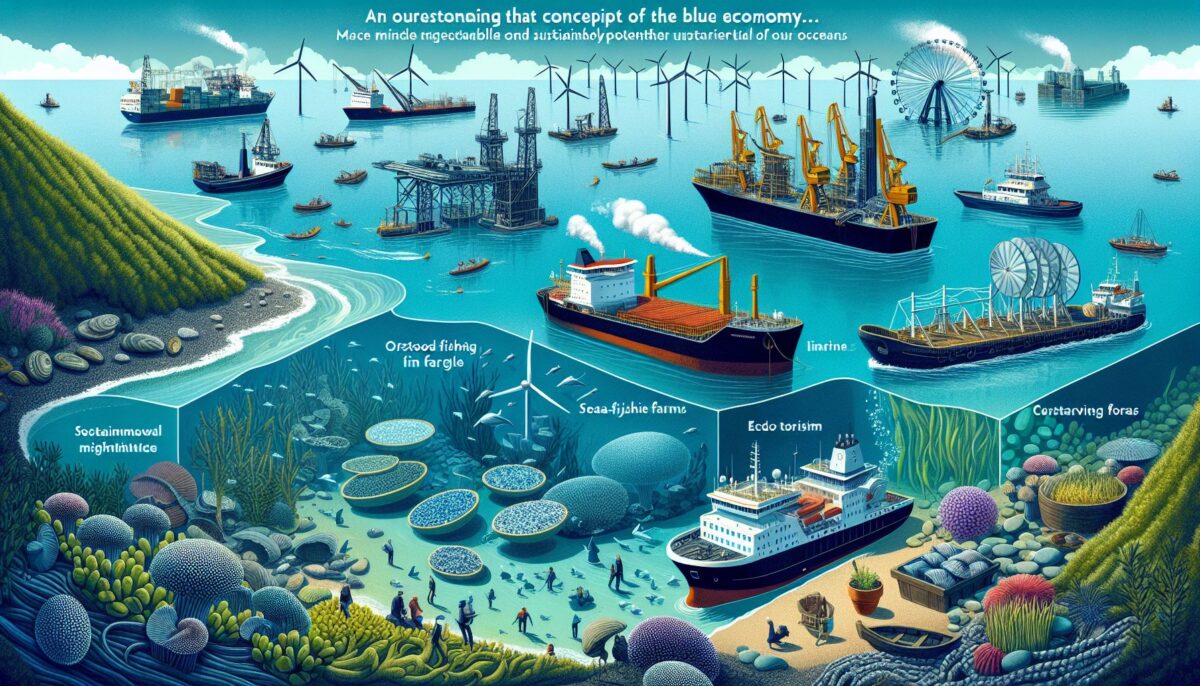
Economic Value: According to NOAA, the economic value of coral reefs to the world is over $30 billion per year[^3^]. This comes from tourism, fisheries, and medicines.
Protection of Shorelines: Reefs act as a natural barrier against storm events, hurricanes, and wave actions. By dissipating wave energy, they lessen potential damages to the coast, thus safeguarding human lives and properties.
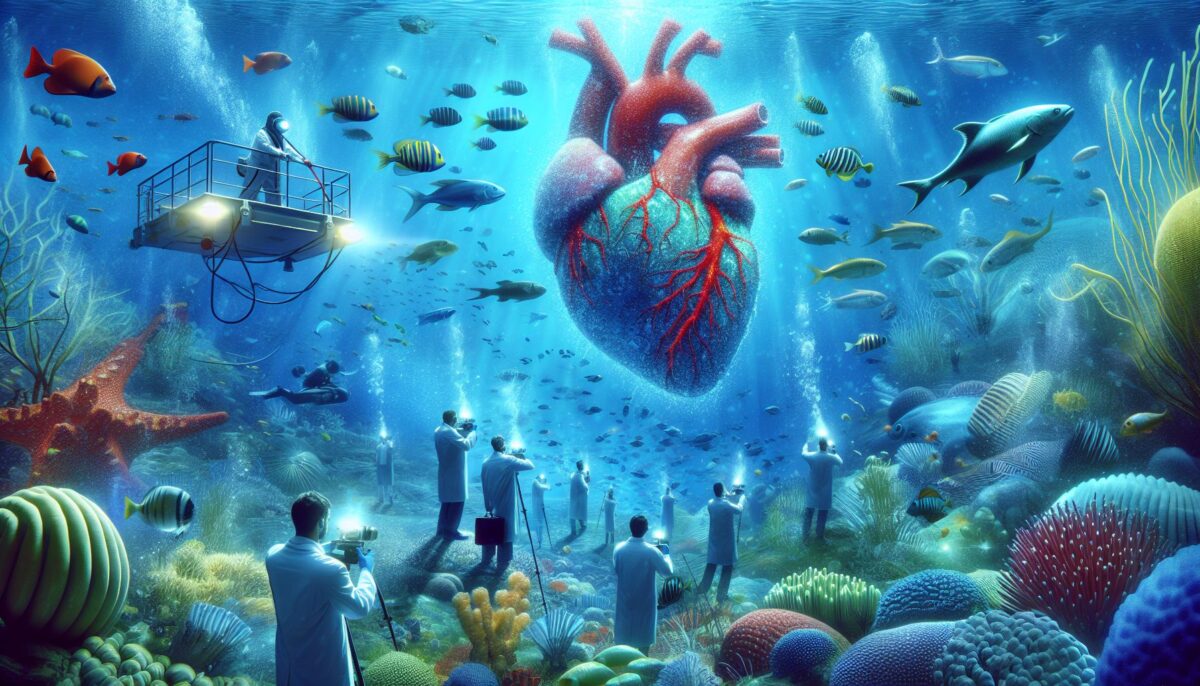
Potential for Medical Discoveries: Many of our current medicines are derivatives of natural compounds, and the biodiversity present in coral reefs makes them important potential sources for medical breakthroughs.
Threats to Coral Reefs
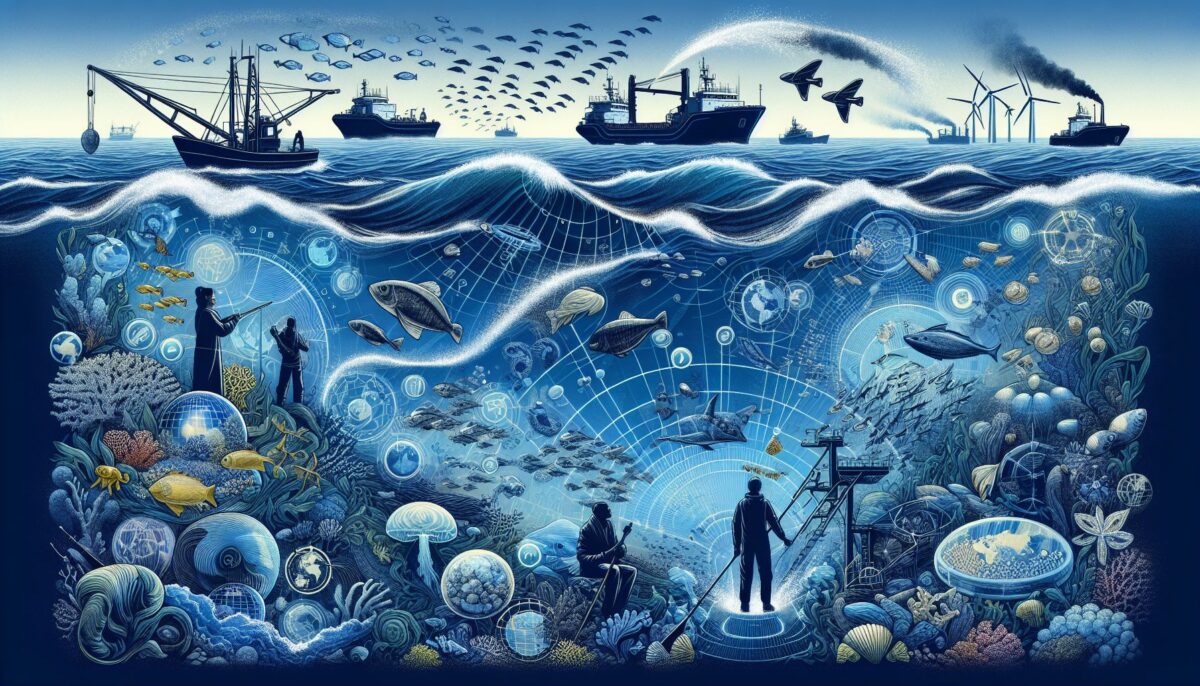
Despite their enormity and importance, coral reefs are fragile ecosystems that are under significant threat due to both natural phenomena and human activity.
Climate Change: Increased CO2 concentration in the atmosphere leads to warmer ocean temperatures, which can cause coral bleaching. This is a process where corals, stressed by the change in conditions, eject the symbiotic algae living within them, turning them completely white and also making them vulnerable to disease.
Ocean Acidification: CO2 also interacts with seawater to create carbonic acid, leading to ‘ocean acidification.’ This makes it harder for corals to produce their calcium carbonate structure.
Overfishing: Overfishing leads to an imbalance in the natural food chain. Predatory fish help keep the populace of certain destructive species under control. When they get caught disproportionately, those lower in the food chain can have devastating effects on coral reefs.
Physical Destruction and Irresponsible Tourism: Careless boating, diving, fishing, and other direct human contacts can physically damage fragile coral reefs.
Conservation Efforts
There are worldwide efforts to conserve and restore coral reefs. The balance is to permit human activities without compromising reef health. Here are a few ways that scientific communities and mankind as a whole are trying to help sustain the reefs ecosystems:
Marine protected areas: Governments around the globe are designating marine protected areas to save fragile reefs ecosystems from fishing and other human activities.
Restoration efforts: Scientific and volunteers groups are actively restoring damaged reefs by growing and transplanting corals.
Sustainable tourism: More economic incentives are given to dive resorts and other tourism-related activities to become stewards of the reefs, promoting sustainable practices.
Pollution control: Efforts are being made to reduce pollution, particularly in areas around reefs.
Public Education: Public education about reefs have increased understanding and appreciation among individuals and boosted responsible behavior when visiting these delicate eco-regions.
In a nutshell, coral reefs are the vibrant, multi-colored galleries of the ocean. This remarkable ecosystem, packed with life, is instrumental to the wellbeing of both oceanic and human life. It’s crucial that efforts are made to protect these natural wonders, for their loss would spell disaster not only for marine life but for humans as well.
Bibliography:
[^1^]: National Ocean Service. “What Is a Coral Reef?” National Ocean Service
[^2^]: Coral Reef Alliance. “Importance of Coral Reefs – Biodiversity.” Coral.org
[^3^]: The National Marine Fisheries Service. “The Economic Importance of Coral Reefs.” NOAA Fisheries