Category: Main (page 31 of 31)

The Mysteries and Marvels of Ocean Currents: Nature’s Conveyor Belts

Ocean currents, those vast and powerful movements of ocean water, involve a complex, interplay of wind, the rotation of the Earth, and other factors. Cloak in mystery and full of surprising phenomena, they play an instrumental role in climate regulation, marine life movement, and even weather patterns. How do ocean currents work, and what impact do they have on the world we live in? Let’s dive in and explore.

ocean currents
Image Source: Pixabay

The Powerful Motor of Ocean Currents

The driving power for ocean currents primarily comes from the sun and the wind. Solar energy causes air to heat unevenly, which manifests as wind when warmer air moves towards cooler areas. This wind, in turn, creates ripples on the ocean’s surface that evolve into larger waves and eventually currents.

Another significant component at play here is the Earth’s rotation. The Coriolis effect, caused by the Earth’s spin, imparts a spiraling motion to the ocean currents depending on their latitude. This phenomenon results in a predominantly clockwise direction of currents in the northern hemisphere and anticlockwise currents in the southern hemisphere.

Coriolis Effect
Image Source: Pixabay

Currents: The Surface and The Deep

Ocean currents are divided into two broad categories: surface currents and deep water currents. Surface currents constitute only 10% of the ocean water but cover 90% of the ocean’s area. They are primarily wind-driven and influenced by the Earth’s rotation. These currents are responsible for the bulk of oceanic heat transfer, playing a pivotal role in determining regional climates.

Deep water currents, or thermohaline currents, make up the remaining 90% of ocean water. They originate from differences in water density resulting from variations in temperature (thermo) and salt content (haline). Cold, salty water is denser and sinks to the bottom, while warmer, less salty water rises to the surface — a process known as convection. This forms a global conveyor belt-like system, connecting all of the world’s oceans and helping regulate the Earth’s climate.

Thermohaline Circulation
Image Source: Pixabay

The Importance of Ocean Currents

Ocean currents are instrumental in nutrient cycling by transporting nutrients from the depths to the ocean surface where photosynthetic marine organisms thrive. This promotes biodiversity hotspots in regions like upwelling zones, where cold, nutrient-rich waters surge to the surface, attracting an abundance of marine life.

Currents also play a vital role in the global climate. For instance, the Gulf Stream, a powerful, warm Atlantic current, is responsible for the relatively mild climate of Western Europe. This current carries heat from the subtropics to the North Atlantic, mitigating the region’s winter chill.

On a worrying note, ocean currents have the ability to ferociously amplify the effects of climate change. Rapid melting of glaciers due to global warming can introduce freshwater into the ocean at a devastating rate, potentially disrupting the thermohaline circulation and subsequently changing climatic patterns.

Conclusion

Ocean currents, with their incredible power and intricate behavior, act as the cardiovascular System of our planet, circulating water, heat, and nutrients around the globe. They underscore the interconnectedness of Earth’s systems and remind us of the critical role the ocean plays in maintaining the delicate balance of our global climate.

Undeniably, there is still much to learn. As we continue to unravel the mysteries of these marine juggernauts, our understanding of Earth and the pressing issue of climate change will inevitably grow. It underscores the urgent need for extensive research while fostering a sense of respect and responsibility towards this life-sustaining planetary feature.

Discover more about ocean currents
Explore the Earth’s global conveyor belt

Understand the impact of ocean currents on climate change

Unveiling the Secrets of the Seafloor: Its Composition, Impact, and Intrinsic Value

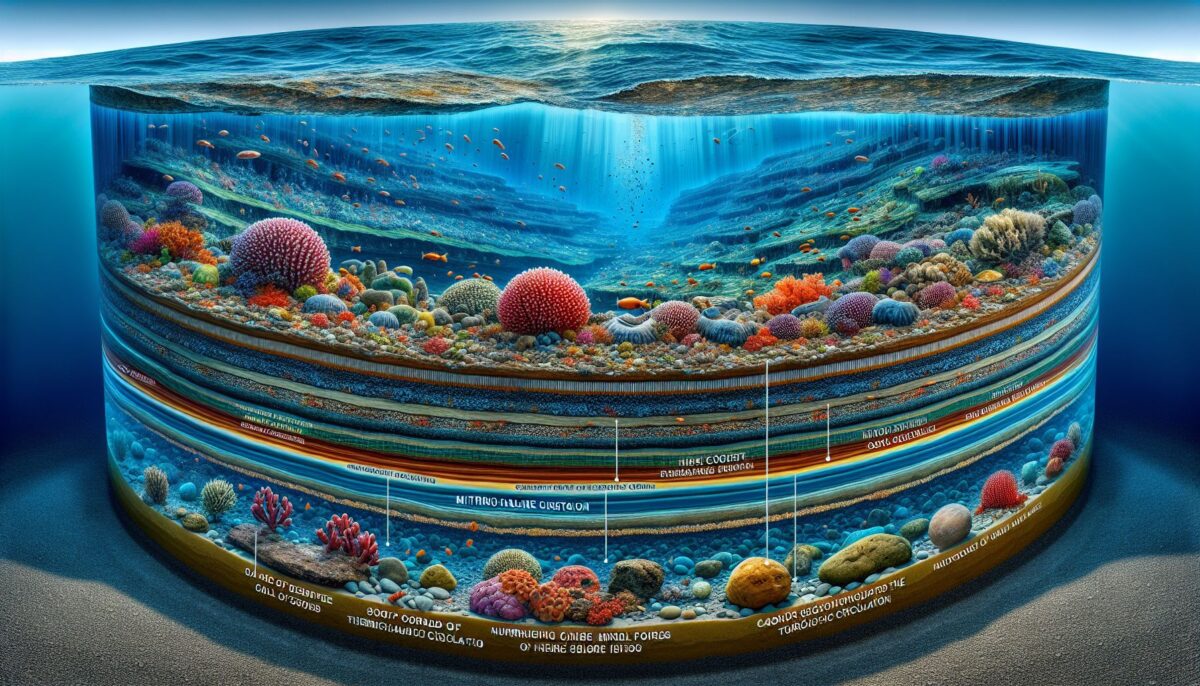
The almighty ocean is known for its surreal beauty and vastness. However, the most mysterious and intriguing part might be the feature we see the least – the seafloor. Though invisible from the surface, the abyssal plain plays a significant role in marine life, climate patterns, and even our human activities. This article aims to divulge some of the captivating secrets of the ocean’s bottom, emphasizing the influences in shaping marine biodiversity and impacting the environment.

Understanding the Seafloor

Fundamentally, the seafloor is the bottom of the ocean. It comprises various geological features, including continental shelves, submarine canyons, and abyssal plains. Continental shelves are submerged land areas extending from a continent, falling gently seaward[^1^]. In contrast, submarine canyons, resembling land canyons, and abyssal plains are deep, incredibly flat underwater plains[^2^].

[^1^]: Continental Shelf – National Geographic Society
[^2^]: Abyssal plain | geology

The Seafloor’s Rich Biodiversity

Though seen as a barren desert, the seafloor teams with life. Marine organisms thrive by adapting to crushing pressures, near-freezing temperatures, and complete darkness. For instance, various fish, octopods, and deep-sea corals are reported in abyssal plains[^3^].

[^3^]: Life in the Abyss

The Seafloor and Climate Change

Seafloor sediment functions as a data carrier that reveals past climate patterns and anticipate future fluctuations. Packed with fossils and chemicals, it provides scientists with insight into millennia-old climate change effects[^4^].

[^4^]: What the Ocean Floor Can Tell Us About Climate Change

Importance of Seafloor Mapping

Bathymetry, the science of mapping the seafloor, holds paramount importance. It aids in navigation, submarine cable and pipeline placement, fisheries management, wave-energy sites, mineral extraction, and tsunami forecasting[^5^]. There’s an ongoing initiative named Seabed 2030 that aims to map the whole ocean floor by 2030[^6^].

[^5^]: Why is Bathymetric Data Important?
[^6^]: Seabed 2030: An Ambitious Project to Map the Entire Ocean Floor

Threats to the Seafloor

Regrettably, human activities continue to degrade the seafloor. Fishing, oil-drilling, and missile tests disturb the sediment layers and harm marine life[^7^]. In addition, seafloor mining for precious metals puts the deep-sea ecosystems at risk[^8^].

[^7^]: The Deep Sea is a Treasure Trove, But it’s under Threat
[^8^]: Do We Need an International Treaty to Protect the Deep Sea?

Preserving the Seafloor

Policies are needed to protect the seafloor. A United Nations treaty to conserve high-sea biodiversity can significantly help. Additionally, the concept of Marine Protected Areas (MPA) should be extended to the seafloor as well. The path towards global sustainability without doubt involves safeguarding the mysteries and majesty of the seafloor.

Peering into the abyss below the water might seem intimidating, but it undeniably unlocks a world of fascination and understanding. Apart from fostering marine life, the seafloor quietly allies with us in climate regulation, supporting navigation, and provision of resources. Recognizing its value, therefore, is essential to harmonize our relationship with the deep blue sea in an era of climate crisis.

Valve Selection: The Comprehensive Guide to Choosing the Right Valve for Your Application

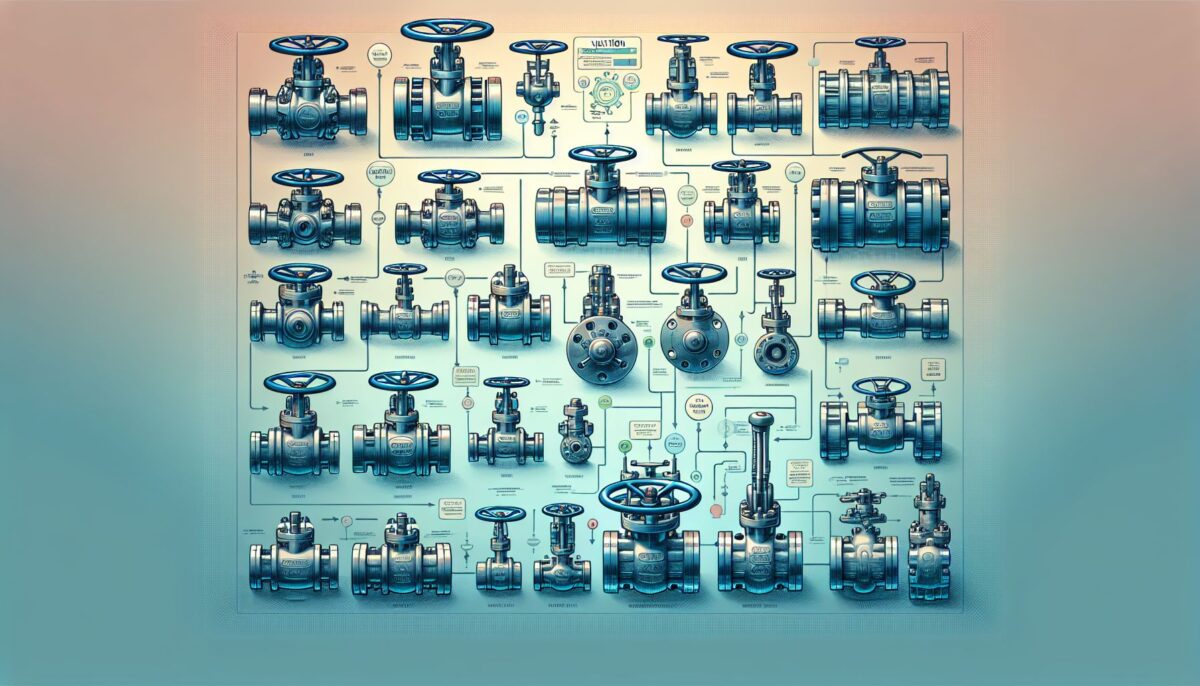
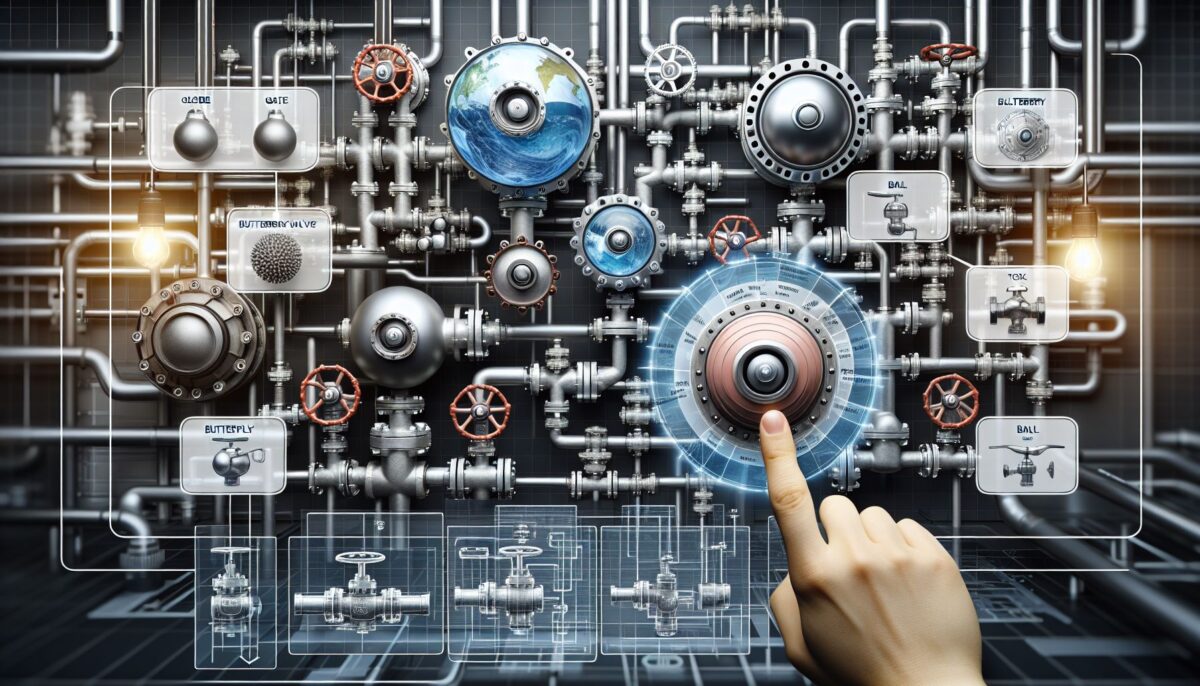
Valve selection is a critical process in any piping and instrumentation design. It encompasses not just the choice between ball, gate, or butterfly designs but the careful consideration of application constraints, material compatibility, pressure and temperature ratings, and maintenance requirements. With the right approach, the selected valves can improve system efficiency, ensure safety, and minimize the need for frequent repair or replacement. In this article, we’ll walk you through the intricate process of valve selection.

Understanding Your System Requirements

Application Analysis

The first step in valve selection is to understand the environment in which the valve will operate. Consider the type of media (liquid, gas, slurry), temperature, pressure, and whether the system will require throttling, pressure relief, or simply on/off control. Different industries will have different standards and requirements that can significantly influence the choice of valve type and material.

Flow Characteristics

Understanding the flow characteristics within a system is key. Will the valve be used for starting/s​topping flow, regulating flow, or protecting equipment against backflows or overpressure conditions? The valve’s Cv (flow coefficient) will be an important factor in ensuring that the system operates within designed parameters without causing excessive drop in pressure or energy loss.

Chemical Compatibility

The material of the valve must be compatible with the media it will be in contact with. Corrosive fluids may require valves made from specialized alloys or plastics, which can resist deterioration over time.

Pressure and Temperature Ratings

Different valves come with different pressure and temperature ratings. It’s crucial to select a valve that can handle the maximum expected system pressure and temperature without risk of failure.

Industry Standards and Regulations

Compliance with industry standards and regulations is non-negotiable. Whether it’s API, ASME, ISO, or local codes, ensure that the selected valve meets all relevant standards for performance, safety, and environmental impact.

Types of Valves

Ball Valves

Ball valves are known for providing tight sealing and are suitable for applications requiring on/off control without pressure drop. They’re commonly used for gas or liquid services where quick and easy operation is required.

Gate Valves

Gate valves are utilized for applications where a straight flow and minimum restriction is desired. These are typically seen in on/off services, especially where the valve has to remain either fully open or closed for extended periods.

Globe Valves

Globe valves excel in applications where throttling or regulating flow is necessary. They offer better control of flow but usually result in a higher pressure drop than other types of valves.

Check Valves

Check valves, or non-return valves, are designed to prevent backflow. They automatically close to stop fluids from moving in the wrong direction, thus protecting equipment downstream.

Butterfly Valves

These valves are suitable for both on/off and throttling services, especially for large-diameter pipes. Their compact design and quick operation make them favorable in many applications.

Others

There are numerous other valve types, each suited for specific applications – diaphragm valves for sanitary processes, knife gate valves for slurry services, pinch valves for highly abrasive or corrosive fluids, and solenoid valves for automated control systems are just a few examples.

Material Selection

Metallic Valves

Metals like stainless steel, cast iron, and bronze are common in valve construction. They offer robustness and can be used in a wide range of temperatures and pressures. Special alloys are available for severe services.

Non-Metallic Valves

Plastic and elastomeric materials are often chosen for their resistance to corrosion. They are lighter and sometimes more cost-effective but usually cannot withstand the same levels of pressure and temperature as metallic valves.

Seal and Seat Materials

The materials used in the seals and seats of a valve are crucial, as they directly contact the process media. PTFE is a common seat material that offers excellent chemical resistance, while graphite seals can withstand high temperatures.

Valve Sizing and Actuation

Sizing for Optimal Performance

Accurate sizing of valves is paramount for efficient system performance. An undersized valve can cause excessive velocity and pressure drop, while an oversized valve may not control the flow properly.

Manual or Automated Actuation

Decide if the valve will be manually operated or automated. Factors like remote location, or when precise control is required, may necessitate automated valves with actuators and control systems.

Maintenance Considerations

Ease of maintenance should not be overlooked when selecting a valve. Some valve designs are inherently easier to maintain and repair than others, potentially leading to reduced downtime in the event of a failure.

Case Studies and Examples

Practical examples can provide insight into the valve selection process:

Food and Beverage Industry

In this industry, hygiene is crucial. Diaphragm or ball valves with a high hygienic design standard may be preferred.

Oil and Gas Industry

For high-pressure applications or sour services (hydrogen sulfide environments), materials like Duplex or Inconel, and valve types like ball or gate valves, might be selected for their strength and corrosion resistance.

Water Treatment and Distribution

Butterfly or globe valves may be used for regulating flow, while check valves are essential for preventing backflow.

Power Generation

High-pressure steam applications might require globe valves with pressure seal bonnets and trim materials suitable for the temperatures involved.

Conclusion

Valve selection is a multifaceted process that requires understanding various aspects of both the valve and the system it will serve. Proper valve selection can save money, enhance safety, and increase the lifespan of the valve and the system. Always consult with experts, such as engineers and valve manufacturers, to ensure that the valve you choose aligns with both the application’s demands and industry best practices. With careful consideration and expert advice, the right valve can provide reliable performance for years to come.

Solenoid Valves: The Electromagnetic Solution for Precise Fluid Control

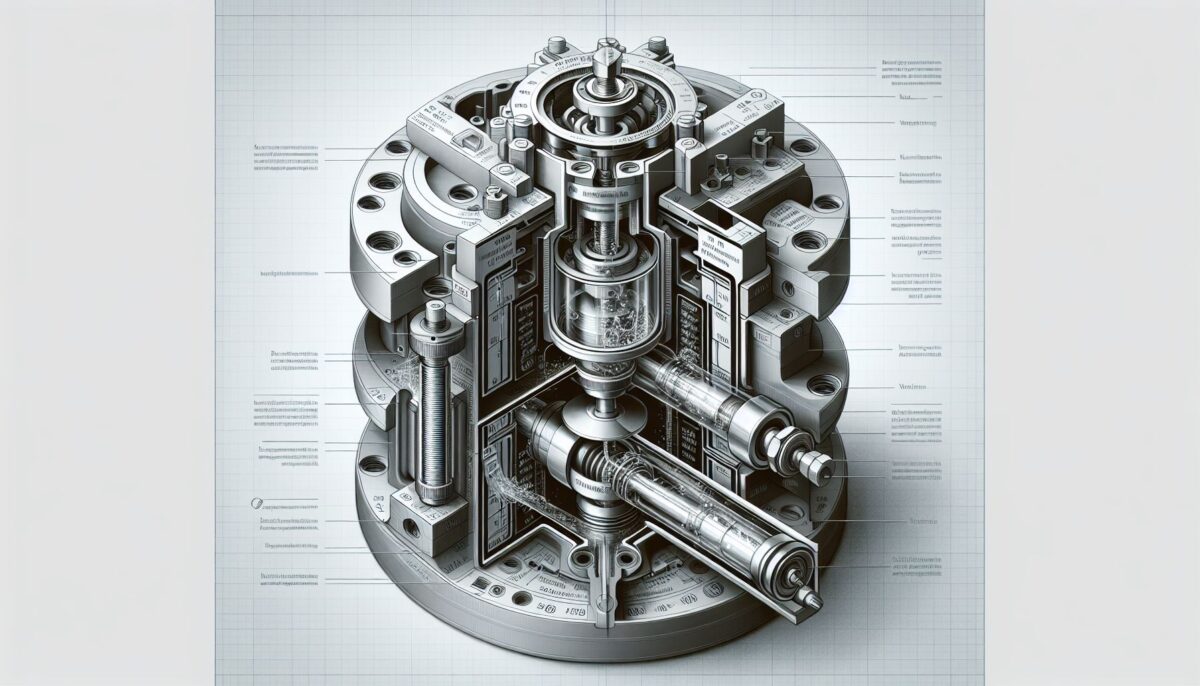
Solenoid valves are a crucial component in many industrial, commercial, and residential systems that require precise control of fluid flow. These electromechanical devices use an electric current to move a solenoid, a type of electromagnet, which in turn operates the valve mechanism. The simplicity of their design matched with the precision they offer makes solenoid valves a popular choice for various applications, including heating and cooling systems, pneumatic or hydraulic systems, and in the control of gases or liquids in automated assembly lines. This article will delve deep into the inner workings of solenoid valves, discussing their types, applications, advantages, and considerations for selection and maintenance.

Understanding Solenoid Valves

What is a Solenoid Valve?

Solenoid valves operate by converting electrical energy into mechanical movement. When electric current flows through a solenoid coil, a magnetic field is generated, which moves a plunger within the valve body. This movement either opens or closes the valve, permitting or preventing the flow of a fluid.

Types of Solenoid Valves

Solenoid valves come in various configurations, catering to a wide range of applications:

  • Direct-Acting Solenoid Valves: These have a simple design where the solenoid directly controls the valve opening. They are small, fast-acting, and can operate at low-pressure differentials.

  • Pilot-Operated Solenoid Valves: Also known as servo or indirect-actuated valves, these use the line pressure to open and close the valve. They are suitable for larger flow rates and require less electrical power compared to direct-acting valves.

  • Two-Way Solenoid Valves: These valves have two ports and control the flow of fluid in a single direction. They are used to either open or close the flow.

  • Three-Way Solenoid Valves: With three ports, these valves can switch flow between ports. They are used in applications requiring the diversion or mixing of fluids.

  • Four-Way Solenoid Valves: These have four or more ports and are commonly used in pneumatic systems to control the operation of double-acting cylinders.

Solenoid Valve Components

  • Solenoid Coil: Generates a magnetic field when electrical current passes through it.
  • Plunger or Piston: The component that moves with the magnetic field to affect the valve opening.
  • Valve Body: The outer casing of the valve that contains the internal components.
  • Orifice or Seat: The opening that the plunger or piston covers or uncovers to control fluid flow.
  • Spring: Returns the plunger to its original position when the solenoid is de-energized.

Applications of Solenoid Valves

Solenoid valves are versatile and used across a multitude of fields:

  • Water and Irrigation Systems: To control the supply of water in large irrigation systems or in domestic applications like dishwashers and washing machines.
  • Hydraulic and Pneumatic Systems: They regulate the flow of hydraulic fluid or compressed air in machinery and equipment.
  • Medical Equipment: Solenoid valves control the flow of gases and liquids in diagnostic devices and medical machines.
  • Automotive Industry: Used within fuel injection systems and automatic transmission systems.
  • Oil & Gas: Enabling the quick release of gases or the control of fuels in combustion systems.

Advantages of Solenoid Valves

  • Rapid Switching: The electromagnetic solenoid actuates the valve quickly, allowing for prompt flow control.
  • Remote Operation: As they are electrically controlled, they offer the convenience of remote operation.
  • Compact Size: Especially the direct-acting type, which allows for use in confined spaces.
  • Reliability: Solenoid valves are typically reliable with a low failure rate when correctly selected and maintained.
  • Versatility: They can be designed to handle a variety of pressure ranges and materials.

Selection Considerations for Solenoid Valves

When it comes to selecting the right solenoid valve for a particular application, several factors must be considered:

  • Media Compatibility: The materials of the valve must be compatible with the fluid or gas being controlled to avoid corrosion or chemical reactions.
  • Pressure and Flow Requirements: Valves must be capable of handling the system’s operating pressure and desired flow rate.
  • Voltage and Power Availability: The electrical characteristics of the solenoid must match the power supply available to ensure proper operation.
  • Operation Type: Understanding whether a normally open or normally closed valve is needed for the given application is key.
  • Environment Conditions: The valve should be suited for the temperature, moisture level, and potential exposure to corrosive elements of its operating environment.
  • Certifications and Standards: Adhering to relevant industry standards and certifications ensures quality and safety compliance.

Installation and Maintenance of Solenoid Valves

Proper installation and regular maintenance are vital for solenoid valve longevity and optimal performance:

  • Correct Orientation: Install the valve according to the manufacturer’s guidelines. Incorrect orientation can cause malfunction.
  • Cleanliness: Ensure the valve is free from debris or contaminants before installation. Regular cleaning of the valve components is recommended.
  • Inspection: Regular inspections for leaks, coil burns, or any atypical noises can prevent more significant issues down the line.
  • Professional Servicing: For more complex systems or when encountering trouble, professional inspection and servicing are advisable.

Troubleshooting and Repair

Even with regular maintenance, solenoid valves can encounter problems. Common issues include:

  • Valve Not Actuating: This can be caused by insufficient power supply, a failed solenoid, or an obstructed valve orifice.
  • Leakage: Worn seals or damage to the valve body can result in leaks. Replacement of the affected parts is typically necessary.
  • Coil Burn Out: Overheating can cause the coil to burn out, necessitating its replacement.

Advancements in Solenoid Valve Technology

The advancement in materials and technology has resulted in more sophisticated solenoid valves capable of handling extreme pressures and temperatures, as well as aggressive chemicals. The integration of smart electronics has brought about valves with improved diagnostics capabilities, efficiency, and reduced power consumption.

In conclusion, solenoid valves are integral components in a myriad of systems, efficiently controlling the flow of fluids and gasses in countless applications. Understanding their types, applications, selection criteria, and maintenance requirements is essential for any industry professional dealing with fluid control. Proper usage and care of solenoid valves will ensure they provide reliable service for their intended operational life, enhancing system efficiency and productivity.

Valve Selection: Ensuring the Heart of Your System Is the Right Fit

Choosing the right valve for a specific application is crucial in any fluid handling system. Valves, often considered the heart of the system, are used to control the flow and pressure of liquids and gases. Their importance cannot be understated, as they ensure safe operation, efficient process control, and protect equipment from damage. There are many factors to consider in valve selection, and in this comprehensive guide, we will explore all the necessary considerations to make an informed decision.


Table of Contents


Introduction to Valve Selection

When it comes to maintaining a fluid system’s integrity and efficiency, selecting the appropriate valve is essential. A poor choice can lead to system failure, increased maintenance costs, and even safety hazards. Therefore, assessing the needs of your system and understanding the characteristics of different valves are the first steps toward making the right selection.

Understanding the Basics of Valves

Before delving into selection criteria, it’s important to understand what valves do and how they work. Valves control the flow of fluids by opening, closing, or partially obstructing various passageways. They can be operated manually or automatically and come in numerous designs each with distinct functions and advantages.

Factors Influencing Valve Selection

The selection process is influenced by several key factors:

  • Fluid Characteristics: The type of fluid (gas, liquid, or slurry), its temperature, pressure, and corrosive properties significantly influence the type of valve required.

  • Function: Valves can be used for isolation, regulation, non-return, or special purposes like pressure relief.

  • Performance Requirements: Flow rate, leakage rate, pressure drop, and response time are all performance metrics that need to be considered.

  • Environmental Conditions: External conditions such as temperature, humidity, and potential exposure to corrosive elements can affect the valve’s material and type.

  • Regulatory and Safety Standards: Compliance with industry-specific standards and safety regulations is imperative.

  • Cost: Initial costs and life-cycle costs of the valve, including maintenance and potential downtime, must be taken into account.

Types of Valves and Their Applications

Valves come in many designs, each suitable for specific applications. Here’s a brief overview of common types:

  • Ball Valves: Best suited for on/off control without pressure drop, ideal for gases and liquids.

  • Gate Valves: Mainly used for isolation and suitable for wide applications in fluid control.

  • Globe Valves: Excellent for regulating flow, but they introduce a significant pressure drop.

  • Check Valves: Allow flow in one direction only and prevent backflow.

  • Butterfly Valves: Offer a compact solution for on/off or throttling services.

  • Pressure Relief Valves: Protect systems from overpressure by releasing excess pressure.

Each of these valves serves different purposes, and understanding their mechanisms is key to selecting the right one.

Valve Material Considerations

The valve material impacts its durability and suitability for different fluids. Common materials include:

  • Stainless Steel: Resistant to corrosion and suitable for a wide range of temperatures, pressures, and fluids.

  • Brass: Common in lower pressure applications and is cost-effective for water and gas systems.

  • Plastic: Ideal for corrosive fluids and lower-pressure applications.

When choosing materials, it’s essential to consider the fluid’s nature and the operational environment.

Valve Size and Capacity

The size of a valve has a direct impact on the flow rate and overall system performance. Valve sizing requires careful consideration of the system’s flow requirements and the valve’s flow coefficients. Oversized valves can be as problematic as undersized ones, leading to poor control and unnecessary expense.

Valve Performance Metrics

Valve performance can be measured by:

  • Flow Coefficient (Cv): Indicates the valve’s ability to pass fluid with minimal pressure drop.

  • Rangeability: Refers to the ratio of the maximum controllable flow to the minimum controllable flow.

  • Shutoff Class: Defines the allowable leakage rate when the valve is in the closed position.

Understanding these metrics will help you choose a valve that meets your system’s performance demands.

Standards and Certifications in Valve Selection

Compliance with national and international standards ensures the valve’s quality, safety, and interoperability. Common standards include ANSI, ASTM, and API. Certifications may be required for certain applications, especially in critical industries like oil & gas, power generation, and pharmaceuticals.

Valve Selection for Specific Industries

Different industries have unique requirements for valves. For example, the food and beverage industry needs valves that are easy to clean and made from non-toxic materials. The chemical industry often requires valves that can handle high pressures and corrosive substances.

The Role of Digital Tools in Valve Selection

Digital tools like valve selection software can simplify the process by considering all the necessary parameters and suggesting the best options. These tools utilize databases of valve specifications and performance data to provide an efficient and accurate selection process.

Maintenance and Lifecycle Considerations

An often overlooked aspect of valve selection is maintenance and the lifecycle cost. Valves that are easier to maintain and have longer service lives may be more cost-effective in the long run, despite higher initial costs.

Conclusion

The careful selection of valves is essential for the safety and efficiency of fluid handling systems. By considering fluid characteristics, desired functionality, operating conditions, material properties, sizing, and performance metrics, you can ensure your valve choice will be the best fit for your application. Remember to account for maintenance and lifecycle costs and adhere to industry standards for a successful and reliable valve implementation.

The task of valve selection can be complex, but with the right knowledge and tools, you can find the optimal solution that balances performance, safety, and cost. Whether you’re working in water treatment, petrochemical processing, pharmaceuticals, or any other industry reliant on fluid control, the insights provided here should guide you toward making an educated and effective valve choice.

Valve Selection: The Comprehensive Guide

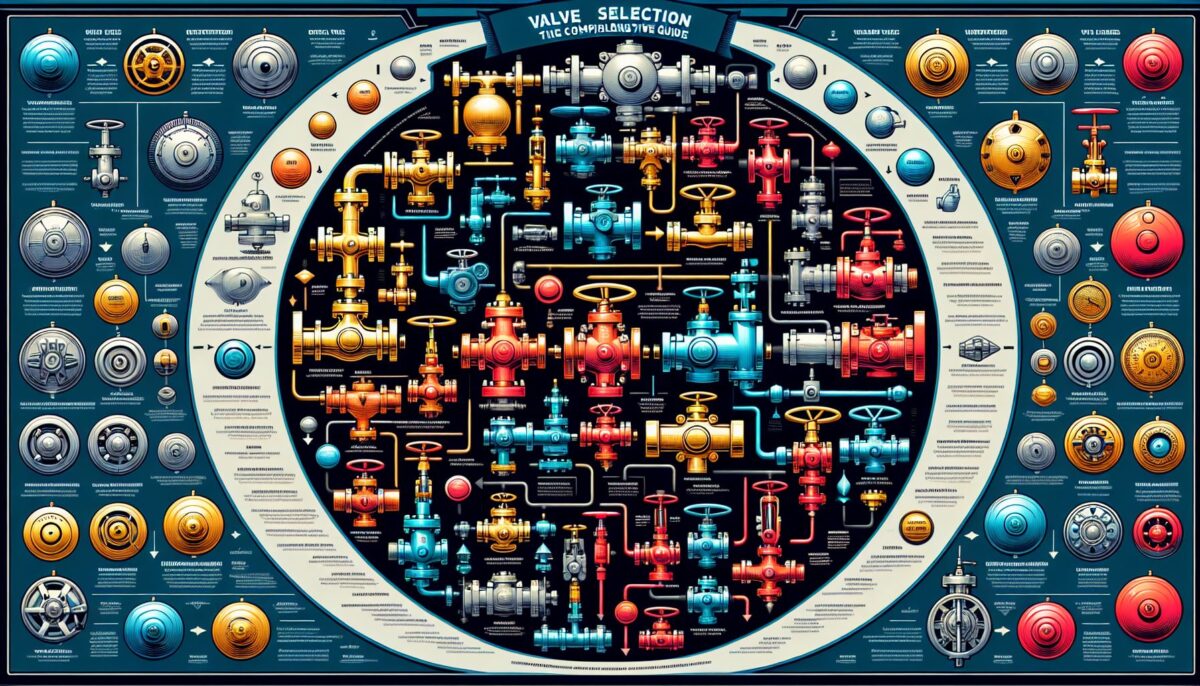
When faced with the task of choosing the right valve for a specific application, the myriad options available in the market can be overwhelming. From a simple gate valve to a sophisticated solenoid valve, each type plays a pivotal role in effective system performance. In what has become an essential practice across various industries, proper valve selection is not just a matter of preference but a science that dictates reliability, efficiency, and safety. In this comprehensive guide, we will journey through the maze of valve selection, examining the critical factors, types, and best practices to ensure you make the most informed decision for your specific needs.

What is a Valve?

Before delving into selection processes, let’s revisit the basics. A valve is a mechanical device that controls the flow and pressure within a system or process. It does this by opening, closing, or partially obstructing pathways through which fluids pass. In essence, valves are the regulators of fluid systems, and their competent selection is crucial for preventing system failures.

The Importance of Valve Selection

The importance of choosing the right valve cannot be overstated. A mismatched valve can result in:

  • Poor system performance
  • Safety hazards like leaks or bursts
  • Increased maintenance costs
  • Shortened lifespan of the valve and the system
  • Downtime due to unscheduled repairs or replacements

Factors Affecting Valve Selection

Choosing the right valve involves considering a plethora of factors, several of which are outlined below:

1. Type of Fluid

Valves control the flow of gases, liquids, and slurries. The physical and chemical properties of the fluid—such as viscosity, corrosiveness, and cleanliness—dictate which valve materials and types are compatible.

2. Pressure and Temperature

Valve components must withstand the system’s operational pressure and temperature without deforming or failing. Each valve is rated for certain pressure and temperature conditions.

3. Functionality

Valves serve various functions, including:

  • Isolation: stopping and starting flow
  • Regulation: controlling flow rate
  • Non-return: preventing backflow
  • Diverter: directing flow to multiple outlets

Understanding the system’s requirements aids in determining the right functionality.

4. Flow Control

Valves present different flow characteristics. Some provide a more linear flow response with the valve’s position, while others might provide a quicker shut-off.

5. Size and Connection Standards

Valve size must be suitable to handle the expected flow rates without causing excessive pressure drop. Additionally, proper end connections are necessary to ensure the valve integrates well with the existing piping system.

6. Materials of Construction

Valves are crafted from myriad materials, each offering different properties. Common materials include brass, bronze, plastic, stainless steel, and others, which are chosen based on corrosion resistance, strength, and compatibility with the fluid.

7. Actuation Method

Valves can be operated manually or with actuators. Actuators may be pneumatic, hydraulic, electric, or electromagnetic (as with solenoid valves) and are selected based on the system’s power availability and control requirements.

8. Standards and Regulations

Valve selection must take into account industry standards (ASME, ANSI, ISO, etc.) and regional safety regulations to ensure compliance.

9. Environment

The external environment—like explosive atmospheres or extreme temperatures where the valve will operate—is also critical in selection.

10. Lifecycle Cost

The total cost of owning a valve includes not only the purchase price but also installation, operation, maintenance, and replacement costs.

Types of Valves and Their Applications

Here’s a brief look at some common valves and their typical uses.

Ball Valves:

With a quarter-turn rotary motion, these valves provide excellent shut-off capabilities. They are suitable for applications requiring tight sealing with low-pressure drop.

Butterfly Valves:

Due to their compact design and light weight, these are ideal for large-diameter applications. They can regulate flow but are not as precise as some other types.

Check Valves:

These are designed to prevent backflow. They’re essential in protecting pumps and compressors from damage.

Gate Valves:

Characterized by a gate-like disc, which moves up and down, these valves are primarily for on-off control and should not be used for throttling.

Globe Valves:

Known for their spherical bodies, globe valves are used for throttling flow and provide better sealing efficiency.

Diaphragm Valves:

With their tight sealing capabilities, these are chosen for applications with corrosive fluids or where contamination is a concern.

Knife Gate Valves:

Designed for on-off and isolation services, these work well with slurry, viscous, and fibrous media.

Solenoid Valves:

Electromagnetic in operation, these valves are for controlling the flow of fluids in an automated system rapidly.

Valve Selection Best Practices

When selecting a valve, consider the following best practices:

  1. Start with the application: Define the specific requirements of the system before looking at valve options.

  2. Consult with experts: Work with a valve manufacturer or distributor who can provide technical guidance.

  3. Consider future changes: Anticipate potential changes or expansions in the system and select a valve that allows for scalability.

  4. Ask for documentation: Obtain all necessary technical data sheets and certificates, ensuring the valve meets all necessary standards and specifications.

  5. Think about the whole system: Remember that the chosen valve must be compatible with other system components.

  6. Don’t base decisions on price alone: The cheapest option may not always be the best choice in the long term.

Conclusion

Correct valve selection is a sophisticated yet necessary process that can greatly influence the efficiency and safety of fluid systems. By understanding the crucial factors and types of valves available, along with following best practices, the arduous task of valve selection becomes manageable. Remember, every application is unique and warrants a careful, considered approach to selecting the appropriate valve. The right choice will result in a more reliable, cost-effective, and safe system that delivers operational excellence throughout its lifecycle.

Valve Selection: Making the Right Choice for Your Piping System

When developing or upgrading a piping system, one of the most critical decisions you will be faced with is choosing the appropriate types of valves. Valves are pivotal in controlling the flow and pressure of liquids and gases in a multitude of industries such as water and wastewater treatment, oil and gas, chemical processing, and manufacturing. The correct valve selection can be the difference between a highly efficient, reliable system and one that is prone to malfunction and costly downtime.

Selecting the right valve entails understanding the system’s requirements and the unique characteristics that different types of valves bring to the table. In this comprehensive guide, we will dive into considerations for valve selection to help you meet operational demands while optimizing performance and cost.

Understanding Basic Valve Functions

Before jumping into the selection process, let’s address the fundamental functions valves serve in a system:

  • Start/Stop Flow: This is a basic function, which simply allows or stops fluid flow, such as with gate valves and ball valves.
  • Control Flow: This incorporates not just stopping flow but modulating it to various degrees, for instance with globe valves or throttling valves.
  • Prevent Backflow: Certain valves, like check valves, prevent the fluid in a system from flowing backward.
  • Relieve Pressure: These valves protect the system from overpressure by releasing excess pressure when necessary, as with pressure relief valves.
  • Regulate Flow and Pressure: These can dynamically modify flow and pressure as operational conditions change, like control valves equipped with actuators.

The Factors Involved in Valve Selection

When choosing valves, consider the following key criteria:

Media Properties

The type of media (liquid, gas, slurry, etc.), as well as its chemical properties, viscosity, and whether it contains abrasive particles, will greatly affect the choice of valve. Corrosive or abrasive media may require valves with special materials or linings.

Pressure and Temperature

System operating pressure and temperature are vital in selecting a suitable valve, as they influence the materials and design that can be used. Valves must be rated for at least the maximum operating pressure and temperature they will encounter.

Flow Characteristics

How you need to control flow – linearly or equal percentage – and the required flow coefficient (Cv) are important in determining the best type of valve for control applications.

Size and Connection

Compatibility with the existing piping system is necessary. Valves must be sized correctly to fit the pipes and the flow requirements. Connections like flanged, threaded, or welded also play into compatibility.

Actuation Method

Whether the valve is operated manually, or it requires automatic actuation, such as with electric, pneumatic, or hydraulic actuators, will influence the selection.

Standards and Regulations

Compliance with industry and international standards for safety, quality, and environmental impact can be crucial, especially in regulated sectors.

Cost and Lifecycle

Initial costs, maintenance frequency and costs, and the expected lifespan of the valve are pragmatic factors that can affect the decision-making process for valve selection.

Types of Valves and Their Applicability

Here’s a look at some common types of valves to consider in your selection process:

Ball Valves

Ball valves offer excellent shut-off capabilities and are a good choice for systems that require on/off control without pressure drop.

Butterfly Valves

These valves are suitable for handling large flow volumes and are often used in large diameter pipes. They provide modulating flow control and function well in large, open positions.

Gate Valves

Ideal for on/off control, gate valves are used when a straight-line flow of fluid and minimum flow restriction are needed.

Globe Valves

Globe valves are great for regulating flow. They offer the capability to throttle and precisely control flow levels.

Check Valves

Check valves automatically prevent backflow in a piping system. They’re essential in systems that are susceptible to backflow and require protection against reverse flow.

Diaphragm Valves

These are suited for handling corrosive fluids and applications where leak-tight seals are required. The diaphragm provides a seal separating the fluid from the valve mechanism.

Solenoid Valves

These valves are used where electrically powered control is necessary, often for precise, fast, and frequent operation in automation and remote systems.

Pressure Relief Valves

Safety devices that relieve excess pressure from the system to prevent potential failures or explosions. They are critical components in high-pressure systems.

Valve Performance Considerations

Leakage

Leakage can be a significant concern in valve selection. Ensure the selected valve meets acceptable industry leakage rates and offers tight shutoff capabilities if required.

Frequency of Operation

How often a valve is operated can influence its durability; some valves are better suited to frequent use than others.

Maintainability

Consider how easy it is to maintain a valve. Top entry ball valves, for example, allow inline maintenance, which can be a valuable feature in reducing downtime.

Installation Environment

The environmental conditions, including temperature fluctuations and potential exposure to corrosive elements, can influence the material choice for both the valve body and the trim.

Common Pitfalls in Valve Selection

Avoid these common mistakes in the valve selection process:

  • Underestimating the impact of cycling on valve life and operation.
  • Ignoring potential changes in process conditions.
  • Selecting valves based only on the initial cost without considering the total cost of ownership.
  • Failing to account for industry-specific standards and certifications.

Conclusion

Valve selection is a nuanced process that benefits greatly from thorough planning and understanding of system requirements. It’s about striking the right balance between cost, efficiency, and performance. By considering the factors discussed, you can make an informed decision that will contribute to the integrity and success of your piping system.

Every valve type has its unique features and is designed to meet specific operational needs. Remember that no single valve type is a one-size-fits-all solution. It’s about finding the best fit for your particular situation. Consult with manufacturers and experts, if necessary, to ensure the valves you choose will perform optimally and safely under the conditions they will face.

By taking into account the media, pressure, temperature, flow characteristics, and the operating environment, along with lifecycle costs and maintenance considerations, you’ll be well-positioned to select valves that not only perform as required but also contribute to the longevity and reliability of your overall system.