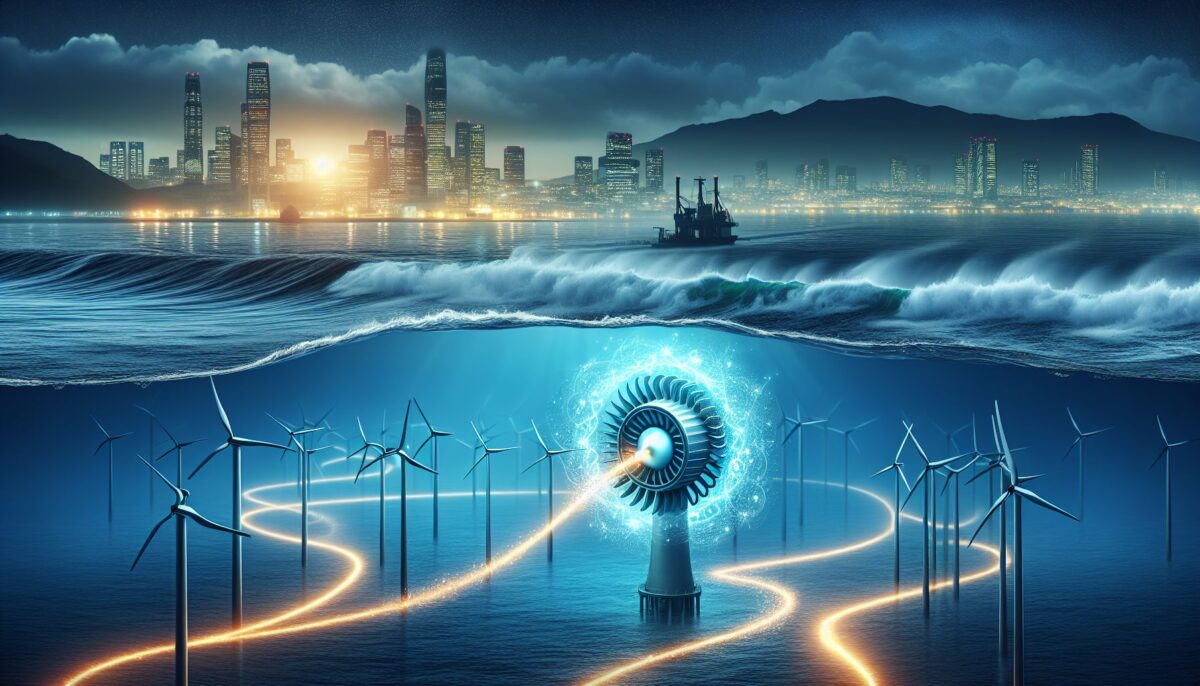
The rhythm of the ocean has captivated human imagination since time immemorial. The steady rise and fall of the tides hold more than aesthetic value, however. They are a manifestation of immense energy, an energy that if harnessed, has the potential to power our future. As the world faces the daunting task of transitioning to sustainable energy sources, tidal energy emerges as a potent, yet often overlooked solution. In this comprehensive look, we dive into what tidal energy is, how it works, the benefits and challenges it presents, and its role in the broader tapestry of renewable energy solutions.
Tidal Energy Explained
Tidal energy is a form of hydropower that converts the energy obtained from the natural rise and fall of the ocean’s tides into electricity. The gravitational forces exerted by the moon and the sun, in combination with the rotation of the earth, result in the periodic movement of the seas. These movements, predictable and consistent, are an untapped reservoir of clean energy.
How Tidal Energy Works
There are several methods of generating electricity from tidal movements:
- Tidal Stream Generators: These work much like underwater wind turbines, capturing energy from the fast-flowing water currents caused by tides.
- Barrage Power Plants: These plants involve dam-like structures across tidal rivers or estuaries with turbines that turn with the ebb and flow of the tides.
- Tidal Lagoons: These are similar to barrages but are constructed as distinct, artificial pools rather than across full estuaries.
Each method harnesses the kinetic or potential energy of tides, converting it into mechanical and then electrical energy through the use of turbines and generators.
The Benefits of Tidal Energy
Tidal energy comes with numerous advantages:
- Predictability: Unlike wind and solar, tidal cycles are predictable far in advance, allowing for a more constant and reliable energy generation.
- Environmentally Friendly: Once installed, tidal energy systems produce minimal greenhouse gas emissions.
- Efficiency: Water is denser than air, providing greater energy output even at low speeds compared to wind energy.
- Longevity: Tidal energy infrastructure can last longer than solar panels or wind turbines due to less wear and tear.
- Dual Use: Tidal barrages can also be used for flood protection and the creation of recreational lakes or reservoirs.
Challenges and Considerations
Despite these benefits, tidal energy faces certain barriers:
- Environmental Impact: The construction of tidal power plants can affect marine life and alter sedimentation patterns, potentially impacting ecosystems.
- High Initial Costs: The upfront investment for tidal power infrastructure is currently significant.
- Location Specific: Tidal energy can only be generated in locations with sufficient tidal movements, limiting its global applicability.
- Maintenance and Saltwater Corrosion: Operating in seawater means that maintenance is challenging and the infrastructure is susceptible to corrosion.
Current State of Tidal Energy
Globally, several projects demonstrate the potential of tidal energy. The Sihwa Lake Tidal Power Station in South Korea is the largest of its kind in the world, while the Rance Tidal Power Station in France has been operational since 1966. The United Kingdom is a leader in tidal power research, with Scotland’s Orkney Islands home to the European Marine Energy Centre (EMEC), where various tidal energy technologies are under development and test (European Marine Energy Centre).
While the tidal energy market is not as mature as that of wind or solar, its growth is promising. According to a report by Global Market Insights, Inc., the Tidal Energy Market size surpassed USD 500 million in 2020 and is anticipated to grow at a rate of over 10% between 2021 and 2027 (Global Market Insights, Inc.).
The Lesser-Known Player in Renewable Energy
Tidal energy is a lesser-known player in renewable energy, with media focus often dominated by solar and wind successes. However, it is gaining recognition within the blue economy—a sustainable use of ocean resources for economic growth—as a promising avenue for future exploration. The Intergovernmental Panel on Climate Change (IPCC) recognises
the potential of tidal energy in contributing to a sustainable and low-carbon future (Intergovernmental Panel on Climate Change).
Future of Tidal Energy
The future of tidal energy depends on continued technological innovation to reduce costs and minimize environmental impacts. Emerging technologies such as dynamic tidal power and floating turbines may prove transformative, unlocking tidal energy’s full potential. Additionally, the integration of tidal power into existing grid infrastructures and developing storage solutions to balance its predictability with demand is vital.
Conclusion
Tidal energy remains an untapped frontier of renewable power. As world energy demands grow and the imperative for sustainable sources becomes ever more pressing, it is clear that the steady dance of the oceans’ tides offers a solution both reliable and rich with potential. The ebb and flow of the tides are more than just a natural spectacle; they are a beacon guiding us towards a renewable future.
Harnessing the power of the tides may not come without its challenges, but the remarkable advantages it holds for a renewable energy future are irrefutable. As we paddle through the complexities of energy and environmental policies, tidal energy stands as a beacon of clean, consistent power waiting to be harnessed. With continued advancements and investment, the whispers of the tides may soon turn into the thunderous roar of turbines, powering our world with the relentless rhythm of the sea.
