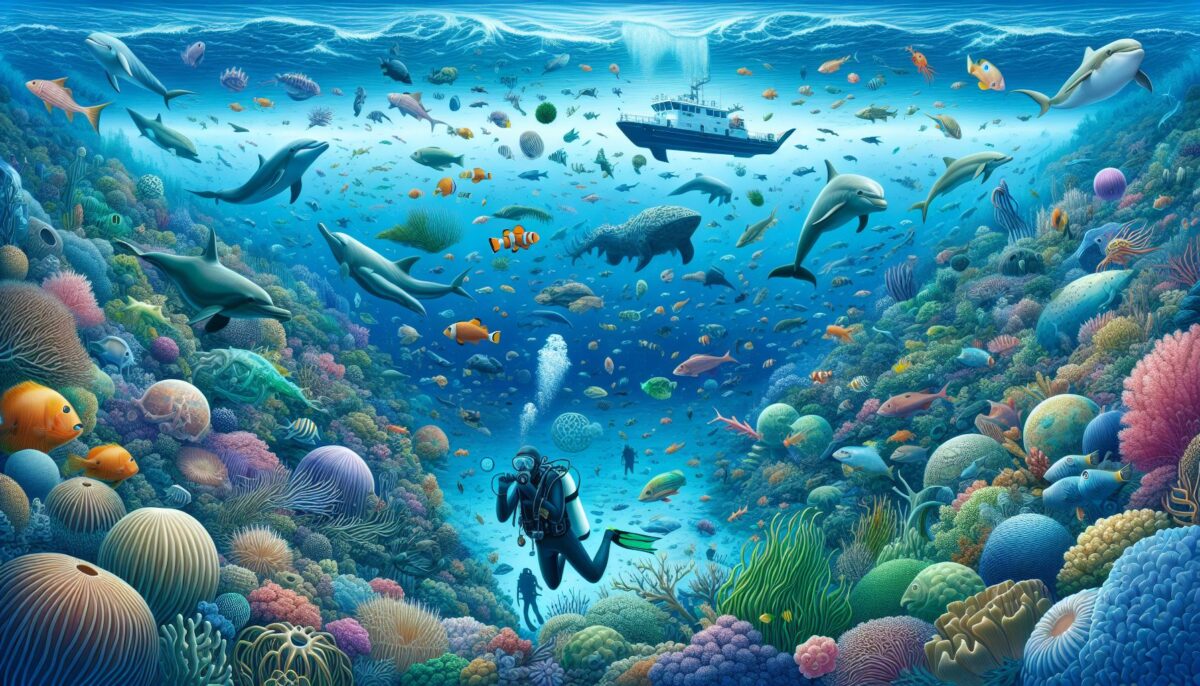
Marine biodiversity is the variety of life forms that inhabit our oceans, from the smallest plankton to the largest whales. The ocean is a vast and complex ecosystem that supports a diverse range of organisms, many of which are still unknown to science. In this article, we will explore the intricate world of marine biodiversity, its importance to the planet’s health, the threats it faces, and the efforts being made to conserve it.
What is Marine Biodiversity?
Biodiversity refers to the variety of living species on Earth, including plants, animals, bacteria, and fungi. Marine biodiversity is a subset of this and represents the diversity of species that live in saltwater habitats like oceans, seas, coral reefs, and estuaries.
The Layers of Ocean Life
The ocean is stratified into different layers, each with unique conditions and forms of life:
- Epipelagic Zone: This is the sunlight zone, where photosynthesis can occur. It houses most of the marine species we are familiar with, including large fish, turtles, and sharks.
- Mesopelagic Zone: Also known as the twilight zone, this area receives less light. Creatures here are adapted to darker, cooler waters.
- Bathypelagic Zone: The midnight zone is pitch black and subjected to immense pressure. Organisms here are often bioluminescent.
- Abyssopelagic Zone: Near the ocean floor, this zone is cold and inhospitable, yet some life, such as certain species of squids and worms, thrives.
- Hadalpelagic Zone: This zone includes the deepest parts of the ocean, such as the Mariana Trench. Life here is scarce and adapted to the extreme pressure.
The Importance of Marine Biodiversity
Marine biodiversity is crucial for many reasons:
- Ecological Balance: Marine species interact with each other and their environment, forming a complex web that supports life both in the ocean and on land.
- Economic Value: Marine ecosystems provide resources like fish and shellfish for human consumption, ingredients for medicines, and support tourism and recreation.
- Carbon Sequestration: Oceans absorb carbon dioxide from the atmosphere, playing a significant role in regulating the global climate.
Threats to Marine Biodiversity
Unfortunately, marine biodiversity faces several threats:
Overfishing
Intensive fishing practices have led to the depletion of many fish populations, disrupting food webs and marine ecosystems.
Habitat Destruction
Coastal development, dredging, and other human activities damage crucial habitats like coral reefs and mangroves.
Pollution
Marine pollution, including oil spills, plastic debris, and toxic waste, can result in death or severe harm to marine organisms.
Climate Change
Rising ocean temperatures and ocean acidification, both results of climate change, are causing widespread damage to marine ecosystems, particularly coral reefs.
Invasive Species
Non-native species introduced to new areas can compete with, and sometimes eradicate, indigenous marine organisms.
Conserving Marine Biodiversity
Marine Protected Areas (MPAs)
MPAs are regions where human activity is regulated to protect marine environments and biodiversity. The Great Barrier Reef Marine Park is one such area.
International Agreements
Agreements like the Convention on Biological Diversity aim to promote sustainable development and protect biodiversity.
Sustainable Fishing Practices
Efforts include setting fishing quotas, reducing bycatch, and protecting nursery grounds to ensure fish populations can recover and thrive.
Pollution Control
Regulations and initiatives to reduce marine pollution are crucial. This includes better waste management and the reduction of plastic use.
Research and Monitoring
Scientific research helps us understand marine ecosystems better and monitor changes in biodiversity.
The Blue Economy and Sustainable Development
The Blue Economy concept advocates for the sustainable use of ocean resources while protecting the marine environment. It focuses on a balance between economic growth, improved livelihoods, and ecosystem health.
Aquaculture and Fisheries
Moving towards sustainable aquaculture and fishery practices can alleviate pressure on wild fish populations and contribute to food security.
Renewable Energy
Ocean-based renewable energy, such as tidal and wave energy, has the potential to reduce dependency on fossil fuels without harming marine ecosystems.
Ecotourism
Responsible tourism initiatives that promote conservation while providing income for local communities can be part of a sustainable blue economy.
Research and Innovation
New technologies for ocean exploration and monitoring can enhance our understanding and management of marine resources.
Conclusion
The ocean is a rich tapestry woven with a diversity of life. Marine biodiversity is not just a spectacle of nature but the cornerstone of a healthy planet and human well-being. Preserving this diversity is an intricate task requiring concerted global efforts. By investing in sustainable practices, enforcing legal frameworks, and fostering a deeper connection with our oceans, we can ensure that the immense variety of life below the waves thrives for generations to come.
Sources
- Convention on Biological Diversity. (n.d.). https://www.cbd.int/
- Great Barrier Reef Marine Park Authority. (n.d.). http://www.gbrmpa.gov.au/
- The Blue Economy. (n.d.). World Bank. https://www.worldbank.org/en/topic/the-blue-economy
As we move forward, it’s imperative that the information shared about marine biodiversity as well as the efforts to conserve it become more widespread. Knowledge is the precursor to action, and only with a knowledgeable population can we hope to effectively tackle the challenges that threaten the diversity of life in our oceans.
