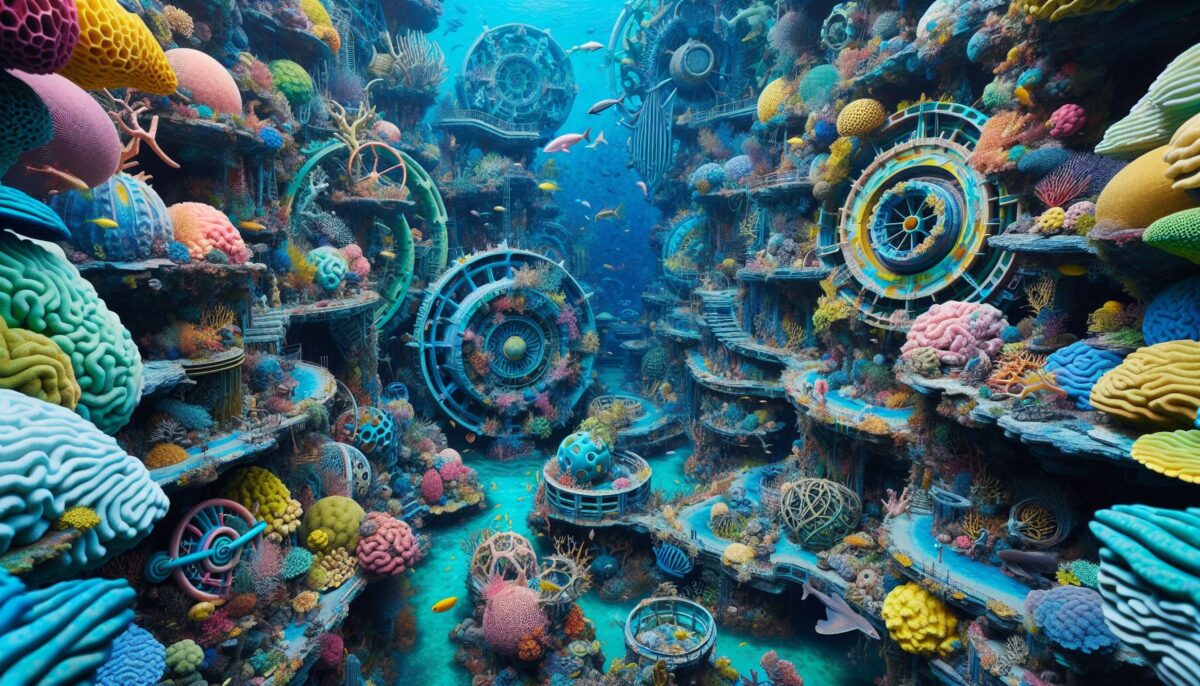
In the vast expanse of the ocean, there exists an intricate and vibrant ecosystem that both captivates the imagination and sustains a significant portion of our marine biodiversity: coral reefs. Often referred to as the “rainforests of the sea,” coral reefs are not merely underwater spectacles of beauty; they are foundational to the health of our oceans and the planet as a whole. This article will delve into the intricate world of coral reefs, exploring their ecological importance, the threats they face, and the efforts being made to protect and preserve these natural underwater treasures.
What Are Coral Reefs?
Coral reefs are underwater structures composed of the limestone skeletons of marine invertebrates called corals. These tiny animals, known as polyps, belong to a group called Cnidaria, which also includes jellyfish and sea anemones. Corals secrete calcium carbonate to form hard, protective exoskeletons that create the reefs’ structure.
Different Types of Coral Reefs
Coral reefs come in various forms, each with unique characteristics and distributions:
-
Fringing Reefs: These are the most common type, growing directly from the coastline and spreading out into the sea.
-
Barrier Reefs: As implied by their name, they create a “barrier” between the open ocean and the lagoon. The most famous example is Australia’s Great Barrier Reef.
-
Atolls: These begin as fringing reefs around volcanic islands, which over time subside, leaving a reef encircling a lagoon.
-
Patch Reefs: Smaller, isolated reefs that grow in island-lagoon systems or on the continental shelf.
The Ecological Importance of Coral Reefs
Coral reefs are, without a doubt, one of the most critical ecosystems on Earth:
-
Biodiversity: Coral reefs are among the most diverse ecosystems on the planet. Even though they cover less than 1% of the ocean floor, they are home to more than a quarter of all marine species at some point in their life cycle.
-
Fisheries: Reefs support the commercial and subsistence fishing industries, providing essential habitats for fish and invertebrates and helping sustain the livelihoods of millions of people worldwide.
-
Coastal Protection: The structure of coral reefs acts as a natural barrier against waves, storms, and erosion, protecting coastal communities and ecosystems.
-
Economic Value: From tourism to fishing, coral reefs have an estimated global value of $375 billion each year.
-
Scientific Discovery: Reefs are natural laboratories where scientists can discover new species and gain insights into evolutionary biology.
The Threats to Coral Reefs
Despite their importance, coral reefs are facing an array of severe threats:
-
Climate Change: Elevated sea temperatures can lead to coral bleaching, where corals expel the symbiotic algae living within them, leading to a breakdown in the coral-algae relationship necessary for their survival.
-
Ocean Acidification: Increased carbon dioxide absorption by the ocean lowers the water’s pH leading to the weakening of coral skeletons and reduced calcification rates.
-
Overfishing: Destructive fishing practices can directly damage reefs and disrupt the balance of the ecosystem.
-
Land-Based Pollution: Runoff containing pesticides, herbicides, and sediments can suffocate and poison coral ecosystems.
-
Marine Pollution: Oil spills, plastic debris, and other pollutants can physically harm corals and introduce toxic substances into the reef environment.
Efforts to Preserve and Restore Coral Reefs
Faced with these challenges, scientists, conservationists, and governments are exploring various strategies to protect and restore coral reefs:
-
Establishing Marine Protected Areas: Setting aside critical habitats where fishing and other extractive activities are restricted or forbidden can help promote reef recovery.
-
Reducing Carbon Emissions: Global efforts to tackle climate change can help mitigate the impacts of coral bleaching and ocean acidification.
-
Promoting Sustainable Fishing: Implementing fishing quotas, banning harmful practices, and promoting sustainable seafood can alleviate overfishing pressures.
-
Enhancing Water Quality: Improving wastewater treatment and reducing agriculture runoff are essential steps in reducing land-based pollution reaching the oceans.
-
Coral Farming and Transplantation: Cultivating corals in nurseries and later transplanting them to damaged areas to boost recovery processes.
-
Community Engagement: Educating and involving local communities in reef conservation can foster stewardship and compliance with protective measures.
-
Scientific Research: Continuing research into coral adaptability, genetics, and resilience can provide new ways to facilitate reef restoration.
The Way Forward: Integrating Conservation and Human Development
The future of coral reefs depends on our ability to understand the intricate connection between human activities and the well-being of these marine ecosystems. A holistic approach is necessary, incorporating science, community action, and policy measures at the local, national, and international levels to ensure that coral reefs continue to thrive.
Conclusion
Coral reefs are vital to the well-being of our oceans and to the human populations that depend on them. The multitude of services they provide—ecological, economic, and protective—underscores the need for immediate and decisive action to preserve these vital ecosystems. By nurturing an understanding of coral reefs, fostering a respect for their role, and taking concrete steps to guarantee their survival, we can ensure these biodiversity hotspots continue to dazzle future generations with their vibrant life and vital functions.
Sources
-
NOAA’s Coral Reef Conservation Program: https://coralreef.noaa.gov/
-
The Nature Conservancy – Protecting Coral Reefs: https://www.nature.org/en-us/
-
United Nations Environment Programme – Coral Reefs: https://www.unep.org/explore-topics/oceans-seas/what-we-do/working-regional-seas/coral-reefs
Note: Sources are carried over from a previous date and may not reflect the most recent scientific research and data.
