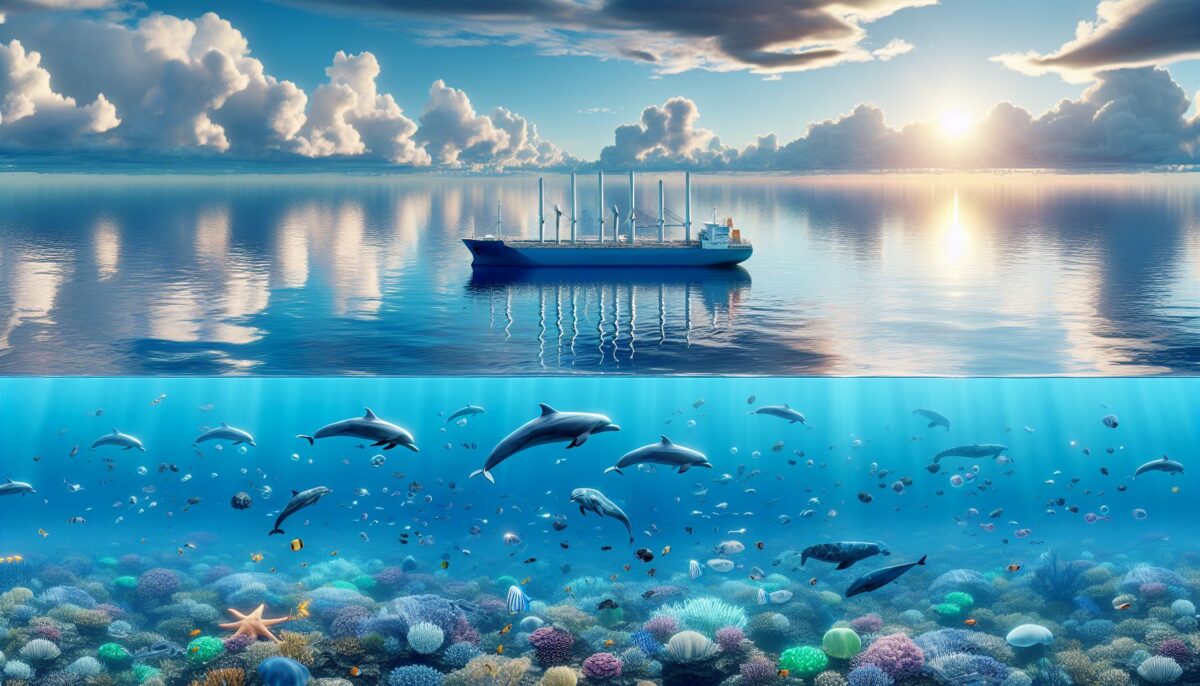
The oceans have long been a source of fascination, life, and livelihood. They cover over 70% of our planet’s surface, are home to a myriad of species, and are vital to the global economy. The term “Blue Economy” emerged as a concept that balances the sustainable use of ocean resources for economic growth, improved livelihoods, and jobs while preserving the health of ocean ecosystems. In this comprehensive exploration, we dive into what the Blue Economy encompasses, its components, challenges, potential solutions, and the way forward.
Understanding the Blue Economy
Definition
The Blue Economy refers to the range of economic activities related to oceans, seas, and coasts. It encompasses renewable energy, fisheries, maritime transport, tourism, climate change mitigation, and more, all within an overarching framework that promotes environmental sustainability. The Blue Economy has the potential to improve the lives of coastal and island communities, boost national economies, and sustainably manage ocean resources.
Components of the Blue Economy
- Marine Renewable Energy: Harnessing the power of waves, tides, and offshore wind to generate electricity without emitting greenhouse gases.
- Sustainable Fisheries: Ensuring fish populations are harvested at a rate where they can replenish, keeping the ecosystem intact and providing food security.
- Aquaculture: The farming of fish, shellfish, and seaweed in fresh or saltwater.
- Maritime Transport and Shipping: Moving goods and services across seas in the most efficient and green way possible.
- Tourism: Utilizing the natural beauty and biodiversity of coastal and marine environments for recreation while preserving them.
- Mineral Resources: Ethically extracting minerals and materials from the seafloor with minimal environmental impact.
- Desalination: Providing fresh water through the removal of salt and minerals from seawater.
Significance
The Blue Economy is significant because it represents a massive economic opportunity while also holding the key to preserving the very ecosystems that provide these economic benefits. According to the World Bank, when managed sustainably, coastal and marine ecosystems support a wide range of industries that could produce trillions of dollars of economic output annually.
Challenges Facing the Blue Economy
The potential of the Blue Economy cannot be fully realized without managing the challenges that threaten ocean health and, by extension, the economic activities dependent on marine resources.
Overfishing and Fisheries Depletion
Overfishing is a significant challenge. It not just threatens marine biodiversity, but also the livelihoods of over 3 billion people relying on fish as a primary protein source.
Pollution and Marine Debris
From plastic waste to chemical runoff, pollution is causing grave damage to marine ecosystems, contributing to habitat loss, and entering the human food chain.
Climate Change and Ocean Acidification
Climate change leads to rising sea levels and ocean acidification, both of which damage coral reefs and shellfish populations, with profound implications for coastal communities and seafood industries.
Oil Spills and Offshore Drilling
Environmental disasters such as oil spills can have catastrophic effects on marine life and the economic activities that rely on healthy oceans.
Innovations and Strategies for a Sustainable Blue Economy
Tackling the challenges requires innovative approaches and strategies that merge economic development with conservation.
Sustainable Fishing Practices
Using technology and policy measures to prevent overfishing, bycatch, and promote responsible fisheries management can help restore fish populations.
Marine Protected Areas
Implementing Marine Protected Areas (MPAs) safeguards critical habitats, helping to replenish fish stocks and promote biodiversity.
Clean Energy Alternatives
Investing in renewable ocean energy sources like tidal and wave energy can reduce reliance on fossil fuels.
Pollution Control and Waste Management
Improving waste management on land and enforcing regulations to reduce maritime pollution preserves marine life and benefits ocean-related activities.
Climate Action
Implementing climate-resilient coastal infrastructure and protecting blue carbon habitats, such as mangrove forests and seagrasses, are vital steps in mitigating the effects of climate change.
Eco-Tourism and Coastal Stewardship
Promoting eco-tourism and engaging local communities in coastal stewardship encourages the conservation of marine environments and creates sustainable livelihoods.
The Way Forward
Strengthening Governance and International Collaboration
Effective governance and international collaboration are paramount in managing the shared resources of the oceans.
Economic Diversification
Diversifying economic activities related to the ocean ensures not all pressure is on a single resource, promoting resilience.
Education and Research
Investing in ocean literacy, research, and an understanding of marine science is crucial for the development and implementation of sustainable Blue Economy strategies.
Technological Innovation
Utilizing emerging technologies such as AI, robotics, and biotechnology can lead to breakthroughs in how we sustainably exploit and protect ocean resources.
Conclusion
The Blue Economy has the potential to provide nutritious food, renewable energy, and livelihoods to millions while protecting ocean health for future generations. However, realizing this potential requires unwavering dedication to sustainability, innovation, and cooperation across nations.
Sources
- The World Bank. (XXXX). “What is the Blue Economy?” [Link to the World Bank’s page on the Blue Economy]
- United Nations. (XXXX). “Sustainable Development Goals – Goal 14: Life Below Water.” [Link to the UN SDG Goal 14]
- The Economist Intelligence Unit. (XXXX). “The Blue Economy: Growth, opportunity and a sustainable ocean economy.” [Link to The Economist’s report on the Blue Economy]
Note: Replace “XXXX” with the year the source was published.
Disclaimer: This article is a conceptual exploration intended to provide information on the Blue Economy. Links to sources should be verified and replaced with actual web resource links.
