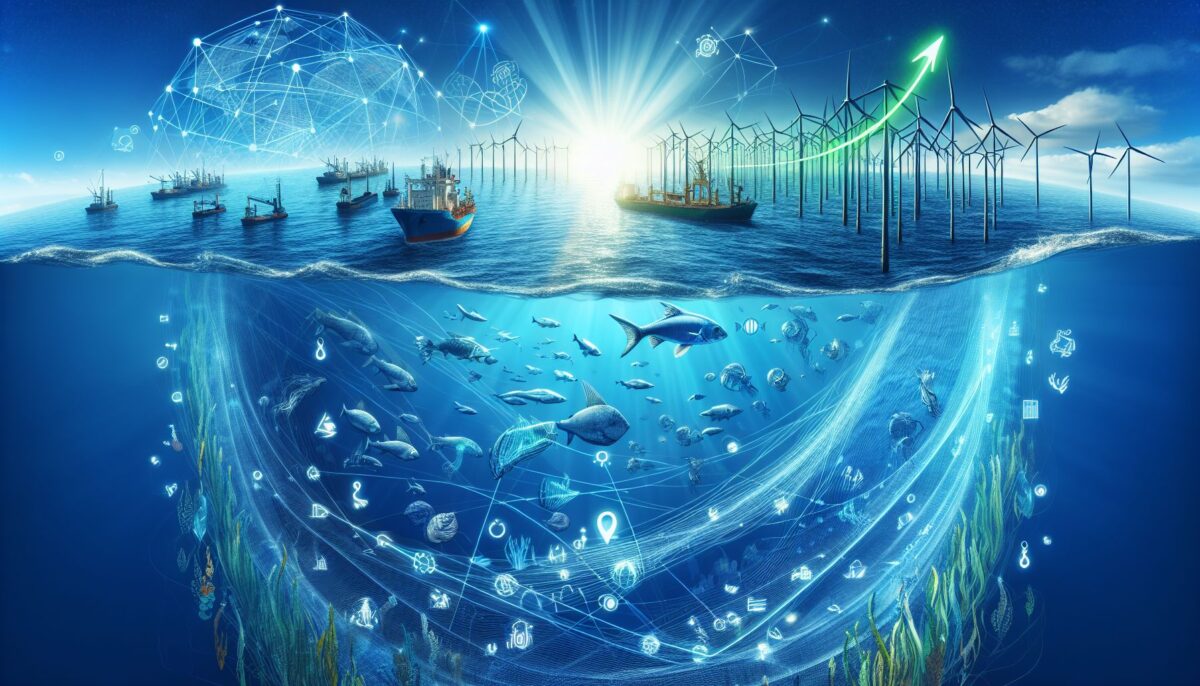
As global attention shifts toward sustainable development and eco-friendly practices, one particular topic has risen to the forefront: the Blue Economy. The Blue Economy refers to the sustainable use of ocean resources for economic growth, improved livelihoods, and jobs while preserving the health of ocean ecosystems. From coastal tourism to renewable marine energy, the Blue Economy encompasses a range of activities with the potential to transform how we engage with our planet’s largest ecosystem.
What is the Blue Economy?
The term “Blue Economy” is relatively new but its concept is simple: it’s about making our oceans and seas more productive and healthy, not just today but for future generations. The World Bank defines the Blue Economy as one which “provides social and economic benefits for current and future generations; restores, protects, and maintains the diversity, productivity, resilience, core functions, and intrinsic value of marine ecosystems; and is based on clean technologies, renewable energy, and circular material flows.”[^1]
[^1]: World Bank – What is the Blue Economy?
Key Sectors of the Blue Economy
Sustainable Fisheries and Aquaculture
Fisheries play a critical role in the global economy, providing livelihoods to millions of people. Sustainable fisheries and aquaculture are essential for food security and nutrition, offering a source of protein for a significant portion of the world’s population. The challenge lies in managing fish stocks effectively, curbing overfishing, and ensuring practices are environmentally friendly.
Renewable Marine Energy
The quest for renewable energy has turned to the sea, with technologies harnessing the power of tides, waves, and offshore wind. This sector not only decreases reliance on fossil fuels but also offers a more consistent energy source compared to some land-based renewables.
Maritime Trade and Shipping
Marine transport is the backbone of international trade, with over 80% of global trade by volume carried by sea. With an emphasis on improved efficiency and reduced environmental impact, the Blue Economy can revolutionize shipping practices, making them cleaner and more sustainable.
Coastal Tourism
The natural beauty and biodiversity of the world’s coasts make them prime spots for tourism. The Blue Economy prioritizes eco-friendly and sustainable coastal tourism, which not only boosts economies but also encourages the conservation of marine environments.
Marine Biotechnology
The oceans hold a wealth of biodiversity, which can lead to discoveries in pharmaceuticals, energy, and even materials science. This sector aims to explore and utilize marine life in a way that benefits human society without damaging the ecosystems they come from.
Challenges to the Blue Economy
Marine Pollution
One of the most significant threats to oceans and marine life is pollution. From plastic debris to chemical runoff, the ocean is under siege from a multitude of pollutants. Efforts to build a sustainable Blue Economy must tackle these issues head-on.
Ocean Acidification
The increase in carbon dioxide levels in the atmosphere is leading to acidification of our oceans. This has dire implications for marine life, particularly organisms with calcium carbonate structures, like corals and some shellfish, which are crucial players in many marine ecosystems.
Climate Change and Sea-Level Rise
Global warming has far-reaching effects on marine environments. Melting polar ice, rising sea levels, and extreme weather events, like hurricanes and typhoons, not only affect marine life but also the human populations that depend on the sea.
Overfishing
Ensuring the sustainability of fish stocks is paramount. Current rates of fishing are unsustainable, leading to the collapse of fish populations and threatening the balance of marine ecosystems.
Conclusion
The Blue Economy has immense potential to be a driving force for environmental conservation and economic development. With the right policies, innovation, and commitment to sustainability, it can help mitigate some of the most pressing environmental issues while providing ongoing economic opportunities. The future of our oceans depends on it, and the time for action is now.
By fostering initiatives in sustainable aquaculture, promoting renewable energy, and supporting clean maritime trade routes, we can work towards a healthier, more prosperous ocean. The Blue Economy is not just an idealistic goal; it’s a necessary evolution of our relationship with the marine world, recognizing the ocean’s potential as an economic powerhouse that must be protected and cherished.
Implementing programs that balance economic benefits with ecological preservation will not only safeguard our oceans but also offer hope and stability for coastal communities around the globe. Investing in the Blue Economy is an investment in the future—one where humanity lives in harmony with the vast blue realm that covers our planet.
Sources
-
World Bank – What is the Blue Economy?
https://www.worldbank.org/en/news/infographic/2017/06/06/blue-economy -
United Nations – Sustainable Development Goals
https://sdgs.un.org/goals -
International Renewable Energy Agency (IRENA) – Ocean Energy
http://www.irena.org/ocean
