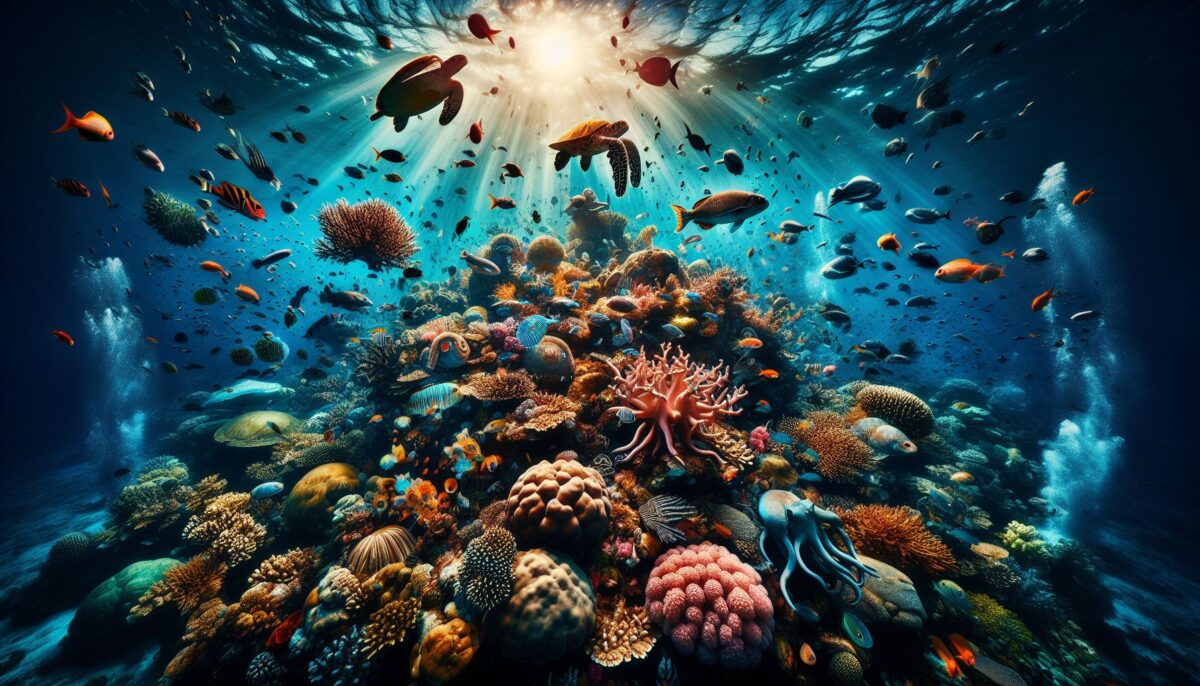
The ocean covers more than 70% of the Earth’s surface and is the home to perhaps the greatest diversity of life on our planet. Marine biodiversity includes all the different kinds of life forms found in the ocean, from the tiny plankton that float on the surface to the giant whales that roam the depths. This diversity is not only fascinating but also vital for the health of our planet and the well-being of humanity. In this comprehensive exploration of marine biodiversity, we will dive into the world beneath the waves and discover what makes it so important, the threats it faces, and what we can do to protect it.
Why is Marine Biodiversity Important?
Marine biodiversity is crucial for many reasons:
-
Ecosystem Services: The ocean provides vital services like oxygen production, climate regulation, nutrient cycling, and the breakdown and removal of waste materials.
-
Food Security: A large portion of the world’s population relies on seafood as a major source of protein. Healthy marine ecosystems are essential for sustainable fisheries.
-
Economic Value: The “blue economy” includes not only fisheries and aquaculture but also tourism, shipping, and energy sectors—all reliant on a diverse marine environment.
-
Medicinal Resources: Many marine organisms possess unique bioactive compounds that have the potential to lead to new pharmaceuticals.
-
Cultural Significance: Ocean landscapes hold immense cultural value for many coastal communities, providing spiritual sustenance, recreation, and aesthetic pleasure.
Exploring Marine Habitats and Their Inhabitants
Marine life thrives in a wide variety of habitats, each with its own unique communities:
- Coral Reefs: Sometimes dubbed the “rainforests of the sea,” coral reefs are among the most diverse and productive ecosystems on Earth.
- Mangroves and Estuaries: These transition zones between land and sea act as nurseries for many marine species.
- Open Ocean: The pelagic zone is home to large migratory species such as tuna, sharks, and dolphins.
- The Deep Sea: Extending into the abyss, this least explored habitat harbors a surprising variety of life adapted to the extreme conditions of darkness and pressure.
- Polar Seas: Incredibly adapted species like penguins and polar bears rely on these icy waters, rich in nutrients and oxygen.
Threats to Marine Biodiversity
Despite its resilience, marine biodiversity is under threat from various human activities:
- Climate Change: Rising ocean temperatures lead to coral bleaching and the loss of ice habitats.
- Overfishing: Unregulated and illegal fishing depletes stocks faster than they can replenish.
- Habitat Destruction: Coastal development, dredging, and bottom trawling destroy critical habitats for marine life.
- Pollution: Plastics, chemicals, and nutrients cause widespread harm to marine ecosystems.
- Invasive Species: Non-native species introduced through shipping and aquaculture can outcompete indigenous marine life.
- Ocean Acidification: Increasing CO2 levels reduce the pH of seawater, impacting shell-forming organisms and coral reefs.
Conservation Efforts and Sustainable Practices
The conservation of marine biodiversity involves a multifaceted approach:
- Marine Protected Areas (MPAs): Designated regions of the ocean where human activity is restricted to protect ecosystems and species.
- Sustainable Fisheries: Implementing quota systems, promoting bycatch reduction techniques, and enforcing sustainable aquaculture practices.
- Pollution Control: Reducing plastic use, improving waste management, and treating wastewater before it reaches the ocean.
- International Cooperation: Many marine species are migratory and require protection across national boundaries and jurisdictions.
- Research and Monitoring: Ongoing scientific research helps inform policy decisions and adaptive management strategies.
The Future of Ocean Exploration
In the spirit of continued exploration and understanding, here are some key domains of research and development:
- Oceanography and Marine Geology: Study of ocean currents, wave dynamics, and seafloor mapping to understand the physical environment in which marine organisms live.
- Genomics and Biotechnology: Sequencing the DNA of marine species helps in understanding their evolutionary history and potential uses in biomedicine and industry.
- Renewable Energy: Harnessing the power of tides and waves offers a cleaner energy future and lessens our reliance on fossil fuels.
Conclusion
Marine biodiversity is an irreplaceable treasure trove of life, supporting an array of ecosystems that are critical to the functioning of our planet. It is now more paramount than ever to address the challenges it faces through global cooperation and sustainable practices. As stewards of the Earth, we have the responsibility to protect this remarkable realm for present and future generations.
Sources
- National Oceanic and Atmospheric Administration (NOAA) – Ocean Service Education: Marine Biodiversity
- United Nations Environment Programme (UNEP) – Why Does Ocean Biodiversity Matter?
- World Wildlife Fund (WWF) – Marine
