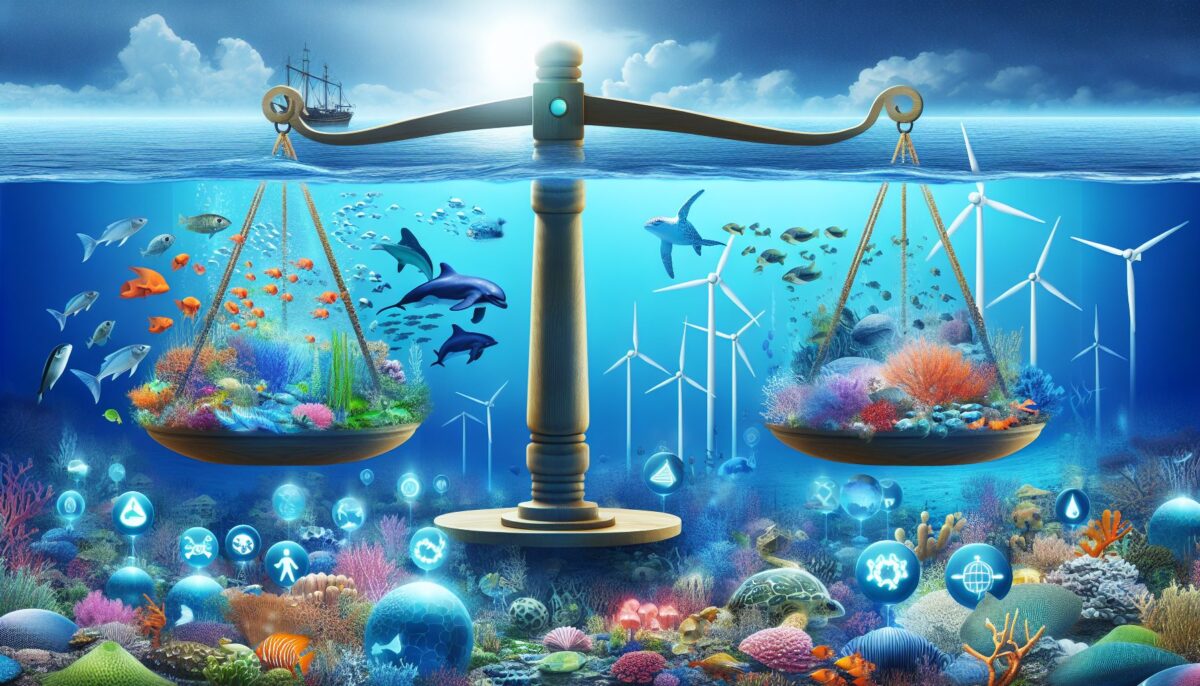
In the vastness of global waters, teeming beneath the waves, lies a world both crucial to our survival and staggeringly diverse: the realm of marine biodiversity. The intricate tapestry of life in our seas is not just a wonder of natural beauty, but it’s also the foundation for what is being called the blue economy. However, as our reliance on marine resources increases, so does the urgency to understand and protect marine biodiversity.
Marine biodiversity includes all the different species of plants, animals, and microorganisms, the genetic differences between them, and the complex ecosystems they form. This biodiversity is not evenly spread throughout the world’s oceans but occurs in gradients, with some places being particularly rich in species. In this article, we’ll explore why marine biodiversity matters, the threats it faces, and how its preservation is key to a thriving blue economy.
Why Marine Biodiversity Matters
Marine ecosystems provide essential services to humanity:
-
Food Security: The oceans feed billions of people around the world. Fisheries rely on healthy, diverse ecosystems to deliver seafood that many populations depend on.
-
Economic Prosperity: Marine biodiversity is at the heart of the blue economy, which includes sectors such as tourism, fishing, and biotechnology.
-
Climate Regulation: The ocean plays a crucial role in regulating the world’s climate. Marine organisms contribute to carbon sequestration and oxygen production.
-
Medicine and Biotechnology: Many marine organisms have unique biochemical compounds that have led to medical breakthroughs and biotechnological applications.
-
Cultural Significance: For many cultures around the world, marine life is a central part of their identity and heritage.
Given our dependence on the oceans, the loss of marine biodiversity can have severe consequences, impacting food security, economies, and even the air we breathe.
Threats to Marine Biodiversity
The top threats to marine biodiversity include:
-
Overfishing: This practice is one of the biggest threats to ocean life. Unsustainable fishing techniques can deplete fish stocks, disrupt food chains, and destroy habitats.
-
Climate Change: Warming waters, ocean acidification, and sea-level rise all result from climate change and threaten marine life. Coral bleaching, for example, devastates reef ecosystems that are hotspots for biodiversity.
-
Pollution: From plastic debris to chemical and oil spills, pollution can have immediate and long-lasting effects on marine ecosystems.
-
Habitat Destruction: Coastal development, destructive fishing practices like bottom trawling, and other human activities can destroy critical habitats.
-
Invasive Species: Species introduced to new areas, whether accidentally or purposefully, can unbalance local ecosystems and threaten native marine life.
The Blue Economy
The blue economy represents a sustainable approach to ocean and coastal economies, emphasizing conservation and sustainable management. It includes established sectors such as fisheries, shipping, and tourism, as well as emerging industries like ocean renewable energy. It’s estimated that the blue economy contributes trillions of dollars to the global economy and supports millions of jobs.
However, the future of the blue economy heavily depends on healthy marine ecosystems. The depletion of biodiversity can unravel the productivity and resilience of these ecosystems, putting the blue economy at risk.
Protecting Marine Biodiversity
To harness the full potential of the blue economy while safeguarding marine life, it’s imperative to protect marine biodiversity through:
-
Marine Protected Areas (MPAs): MPAs can help replenish overfished stocks, protect habitats, and restore ecosystems. Studies have shown that well-managed MPAs can lead to increased fish biomass and diversity.
-
Sustainable Fishing: Implementing and enforcing sustainable fishing practices and quotas is essential to allow fish stocks to regenerate and prevent habitat damage.
-
Pollution Control: Reducing pollution through better waste management on land and at sea can prevent harmful substances from damaging marine life.
-
Mitigating Climate Change: Marine biodiversity can better cope with the impacts of climate change if we reduce greenhouse gas emissions globally.
-
Restoration Projects: Efforts to restore ecosystems, such as coral reef restoration or seagrass planting, can help revive degraded habitats.
Monitoring and Research
Science-based management of marine resources is only possible with continuous research and monitoring. Understanding the complexities of marine biodiversity, how it’s changing, and the implications for human societies is essential. Organizations such as the Intergovernmental Oceanographic Commission (IOC) play a crucial role in fostering international cooperation on marine research.
Challenges in Marine Conservation
There are significant challenges in marine conservation, including:
-
Governance: Many marine ecosystems span national boundaries, and effective management requires international cooperation.
-
Economic Disincentives: Often, there are economic incentives for overexploitation and few short-term incentives for conservation.
-
Knowledge Gaps: The ocean is vast and largely unexplored. We need more research to understand marine systems and develop effective conservation strategies.
Conclusion
The health of our planet’s oceans is a barometer for the overall health of our environment. Preserving marine biodiversity is not just a moral obligation; it’s a necessity for sustainable development and the resilience of marine ecosystems on which we depend. A thriving blue economy is inextricably linked to vibrant marine life. Policies that prioritize the protection of marine biodiversity while addressing threats such as overfishing, habitat destruction, pollution, and climate change can ensure that the oceans continue to benefit humanity for generations to come. With continued efforts to increase awareness, research, and international collaboration, we can protect the marine life we so deeply rely on.
By championing marine biodiversity, we take essential steps in ensuring the sustainable and equitable use of ocean resources. The commitment to conservation and responsible management is not merely a matter of safeguarding the ecological wonders of our planet but a critical component of a strategy for economic and social prosperity. As stewards of the Earth, it is our collective responsibility to ensure that the rich tapestry of life beneath the waves continues to flourish.
To further explore marine biodiversity and the blue economy, readers are encouraged to consult the World Wildlife Fund (WWF) and the United Nations’ Division for Ocean Affairs and the Law of the Sea, which provide extensive information and advocate for conservation efforts worldwide.
