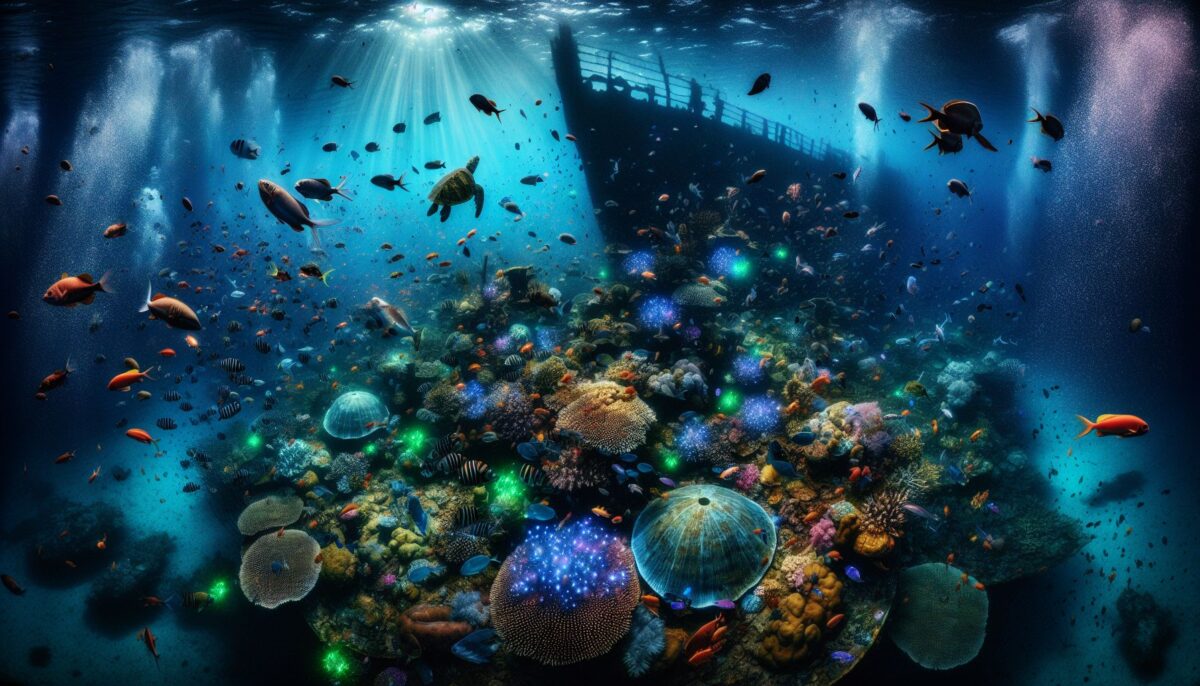
Marine biodiversity encapsulates the rich variety of life found in our planet’s oceans and seas. From the smallest microorganisms to the largest mammals, the ocean is home to a myriad of species that form complex and intricate ecosystems. The preservation of this biodiversity is crucial for the health of our planet, as well as for human society, which relies heavily on the ocean for food, medicine, and climate regulation. In this article, we will explore the wondrous world of marine biodiversity, the threats it faces, and the steps we can take to protect this vital resource for future generations.
The Spectrum of Marine Life
The ocean covers over 70% of the Earth’s surface and provides a habitat for a wealth of species. Marine life can be found at all depths, from the intertidal zone, where the sea meets the land, to the deepest ocean trenches that remain largely unexplored. The variety of habitats, including coral reefs, mangroves, seagrass beds, hydrothermal vents, and the open ocean, each support unique communities of organisms.
The Importance of Maintaining Marine Biodiversity
The diversity of life in the ocean provides numerous benefits to humans and the planet:
- Food Security: Many communities rely on fish and other marine organisms as their primary source of protein.
- Economic Value: Marine fisheries and tourism industries are important economic drivers.
- Medical Discoveries: Chemical compounds from marine organisms contribute to the development of new medicines.
- Carbon Sequestration: Marine plants and microorganisms play a critical role in absorbing carbon dioxide from the atmosphere.
- Cultural Significance: Many cultures have deep spiritual and historical connections to the sea.
Threats to Marine Biodiversity
Despite its importance, marine biodiversity is facing unprecedented threats. Overfishing, habitat destruction, pollution, climate change, and ocean acidification are some of the most pressing challenges.
Overfishing
The demand for seafood has led to overfishing, which occurs when fish are caught at a rate faster than they can reproduce. This practice depletes fish stocks and disrupts the balance of marine ecosystems.
Habitat Destruction
Human activities such as coastal development, bottom trawling, and the extraction of marine resources destroy critical habitats that are essential for the survival of many marine species.
Pollution
The ocean is a dumping ground for all kinds of waste, from plastics to toxic chemicals. This pollution can have devastating effects on marine organisms, often leading to death or severe health issues.
Climate Change and Ocean Acidification
Rising temperatures and increasing levels of carbon dioxide in the atmosphere cause the ocean to warm and become more acidic. These changes impact the growth and survival of many marine species, particularly those with calcium carbonate shells or skeletons, like corals.
Invasive Species
The introduction of non-native species, whether through shipping activities or other means, can lead to the outcompeting of indigenous marine life, altering the structure and function of ecosystems.
Preservation and Restoration Efforts
Conservationists, scientists, and policymakers are working together to address the threats to marine biodiversity through various initiatives.
Marine Protected Areas (MPAs)
One of the most effective tools for marine conservation is the establishment of MPAs, where human activities are regulated to protect biodiversity.
Sustainable Fishing Practices
Implementing sustainable fishing practices and better management of fisheries can ensure that fish stocks are not depleted and that marine ecosystems remain healthy.
Pollution Reduction
Efforts to reduce marine pollution, including regulations on waste disposal and initiatives to clean up existing debris, are critical to protecting marine life.
Mitigating Climate Change
Global action to reduce greenhouse gas emissions and combat climate change is essential for the long-term preservation of marine biodiversity.
Restoring Habitats
Restoration projects, such as coral reef rehabilitation or seagrass planting, help to repair damaged ecosystems and support the recovery of marine species.
The Path Forward
The ocean is a source of wonder and existential sustenance, and its health is closely linked to our own. Preserving marine biodiversity is not just about saving individual species or habitats—it’s about ensuring a resilient and vibrant planet for everyone. To achieve this goal, it is essential to promote awareness, encourage sustainable practices, and foster cooperation at all levels of society.
Sources
- “State of the World’s Oceans”, Marine Conservation Institute. https://marine-conservation.org/sowos
- “Marine Protected Areas”, Oceanic Society. https://www.oceanicsociety.org/resources/protect/mpas
- “Overfishing: A Threat to Marine Biodiversity”, United Nations Environment Programme. https://www.unep.org/resources/report/overfishing-threat-marine-biodiversity
Marine biodiversity is a testament to the wonders of nature and a resource that we all depend upon. By understanding the value of the ocean’s diverse life forms and the threats they face, we can take strides towards preserving the beauty and utility of the marine world for future generations. Let us commit to being stewards of the ocean, not just for the marine life that depends on it, but for the very future of our planet.
