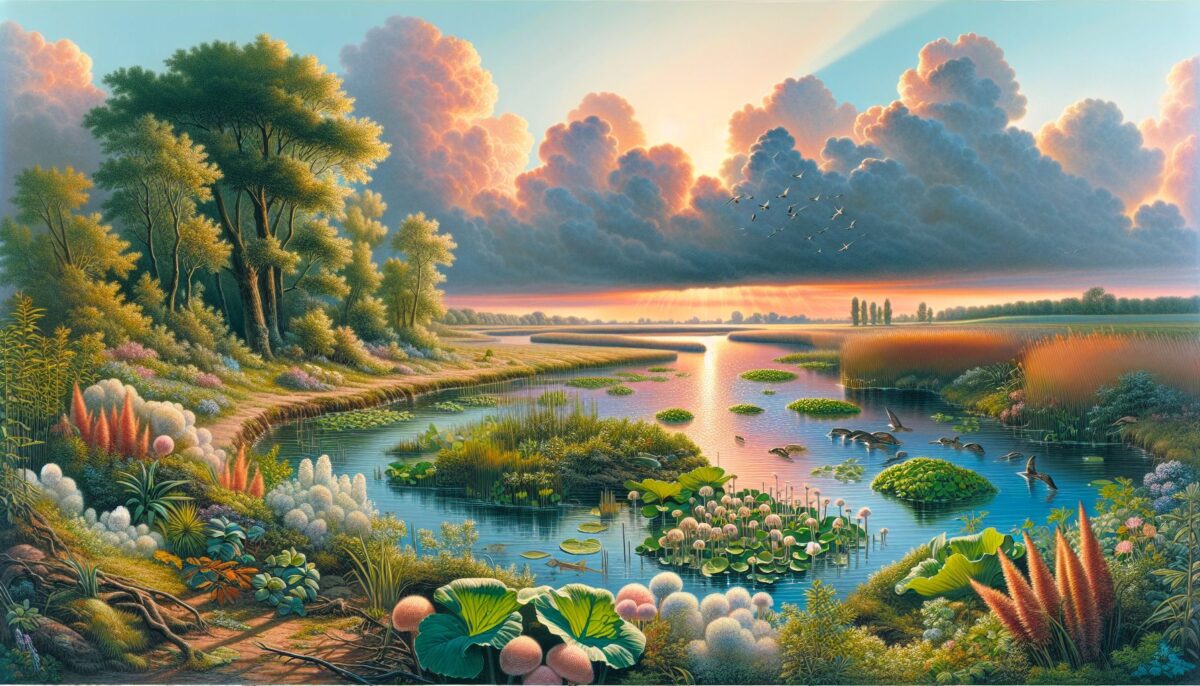
Estuaries, often described as where rivers meet the sea, are dynamic ecosystems providing numerous indispensable ecological services. They are the cradles of marine life, serving as nurseries to a myriad of species, and they stand at the frontline against natural disasters such as storm surges. In this in-depth exploration, we’ll delve into the significance of estuaries, as well as the challenges they face in an era marked by climate change and increasing human activity.
What Are Estuaries?
Estuaries are partially enclosed bodies of water formed where freshwater from rivers or streams blends with saltwater from the ocean. This mix, known as brackish water, creates a unique environment with varying salinity and tidal conditions, giving rise to a diverse range of habitats like mudflats, mangroves, salt marshes, and oyster reefs.
The Ecological Importance of Estuaries
Nursery Grounds for Marine Life
Estuaries are biodiversity hotspots that support an abundance of life. Many species of fish, crabs, and shellfish rely on the sheltered waters of estuaries as breeding grounds and nurseries for their young. The rich biotic community is not just limited to these habitats; it extends to the greater marine ecosystem, as many species migrate in and out of estuaries throughout different stages of their life cycles.
- High Productivity: The mixture of freshwater and saltwater, along with nutrients from rivers, makes estuaries incredibly productive. The abundance of food sources supports large populations of birds, mammals, fish, and other marine creatures.
- Refuge for Endangered Species: Essential for the survival of many threatened and endangered species, estuaries provide habitats that are critical for their conservation.
Buffers Against Natural Disasters
Estuaries also serve as natural buffers, protecting inland areas from the wrath of ocean storms and floods. Wetlands and marshes within estuaries absorb storm surge energy, mitigating the impact on coastal communities.
- Flood Control: The ability to absorb excess water makes estuaries effective at flood control, particularly in times of extreme weather events.
- Shoreline Stabilization: The roots of plants in estuarine environments help stabilize shorelines and prevent erosion.
The Human Connection
Economic Impact
Estuaries significantly contribute to local economies through both commercial and recreational activities. Fisheries within estuaries are vital, providing a significant portion of the world’s harvest of fish and shellfish. Moreover, these environments support tourism, offer opportunities for education and scientific research, and have cultural and historical significance for many communities.
- Fisheries and Aquaculture: Estuarine conditions are ideal for the cultivation of shellfish and other valuable seafood species.
- Recreation: Recreational activities like boating, fishing, and bird watching attract millions of people to estuaries, boosting the local economy.
Ecosystem Services
In terms of ecosystem services, estuaries offer much more than what is immediately evident. They are crucial for water purification, as their complex network of plants, soil, and organisms filter pollutants from the water. They also store carbon, helping to mitigate climate change impacts.
Challenges Faced by Estuaries
Despite their significance, estuaries are among the most threatened ecosystems on Earth. Human activities and climate change present numerous challenges for these vital environments.
Pollution and Eutrophication
Industrial discharge, agricultural runoff, and sewage spill into rivers can lead to excessive nutrient loads in estuaries, causing eutrophication. This process can result in harmful algal blooms, dead zones with low oxygen levels where few organisms can survive, and overall degradation of water quality.
Habitat Loss and Alteration
Development along coastlines often leads to the destruction or alteration of estuarine habitats. Wetlands are drained, and shorelines are hardened, which not only reduces the ecological function of estuaries but also diminishes their ability to protect against flood and erosion.
Climate Change Impacts
Rising sea levels, increasing temperatures, and changing precipitation patterns pose significant threats to estuarine systems.
- Sea Level Rise: Estuaries are particularly sensitive to sea level rise. The encroachment of saltwater can lead to the loss of freshwater and brackish wetlands.
- Increased Storm Frequency and Intensity: Climate change may lead to more frequent and intense storms, putting additional pressure on estuarine buffers.
Invasive Species
Non-native plants, animals, and pathogens can outcompete, prey upon, or bring diseases to native species, altering food webs and ecosystem dynamics.
Sustaining Our Estuaries: Conservation and Restoration Efforts
The protection and restoration of estuaries is imperative for their continued provision of environmental, economic, and social benefits. This requires coordinated efforts from governments, communities, and individuals alike.
Conservation Practices
- Marine Protected Areas: The establishment of marine protected areas (MPAs) can safeguard crucial estuarine habitats and biodiversity.
- Sustainable Land Use: Better land-use practices in the watershed can minimize the negative impacts on estuaries.
Restoration Initiatives
Restoration initiatives focus on bringing back the natural form and function of estuarine habitats that have been degraded or lost.
- Wetland Restoration: Efforts like replanting marsh grasses and reconstructing oyster reefs aid in restoring wetland habitats.
- Riparian Buffer Zones: Planting vegetation along riverbanks helps prevent erosion and filters runoff before it enters estuaries.
Policy and Legislation
Strong policies and legislation are vital for the protection of estuaries. Laws regulating water quality, fisheries management, and coastal development help ensure that estuarine environments are conserved and sustainably used.
Conclusion
Estuaries are undoubtedly one of the planet’s most valuable ecosystems, supporting an array of life forms and providing natural defenses against floods and storms. Their role as nurseries for marine life and providers of crucial ecosystem services cannot be overstated. The challenges estuaries face are numerous and complex, but through awareness, sound management, and restoration efforts, we can ensure their health for future generations.
Sources
- “Estuaries: Where the River meets the Sea.” National Oceanic and Atmospheric Administration (NOAA). Available: https://oceanservice.noaa.gov/facts/estuary.html
- “Estuaries and Coasts.” Restore America’s Estuaries. Available: https://www.estuaries.org/estuaries-and-coasts
- “Why Are Estuaries Important?” United States Environmental Protection Agency (EPA). Available: https://www.epa.gov/nep/why-are-estuaries-important
Estuaries embody the intersection of freshwater and saltwater, serving both as a hub for marine life and a shield for our coastlines. This extraordinary confluence of life and natural protection encompasses challenges and solutions integral to the resilience of our planet’s coastal regions. As stewards of these ecological treasures, our continued efforts in conservation, restoration, and sustainable management are not just beneficial but essential.
