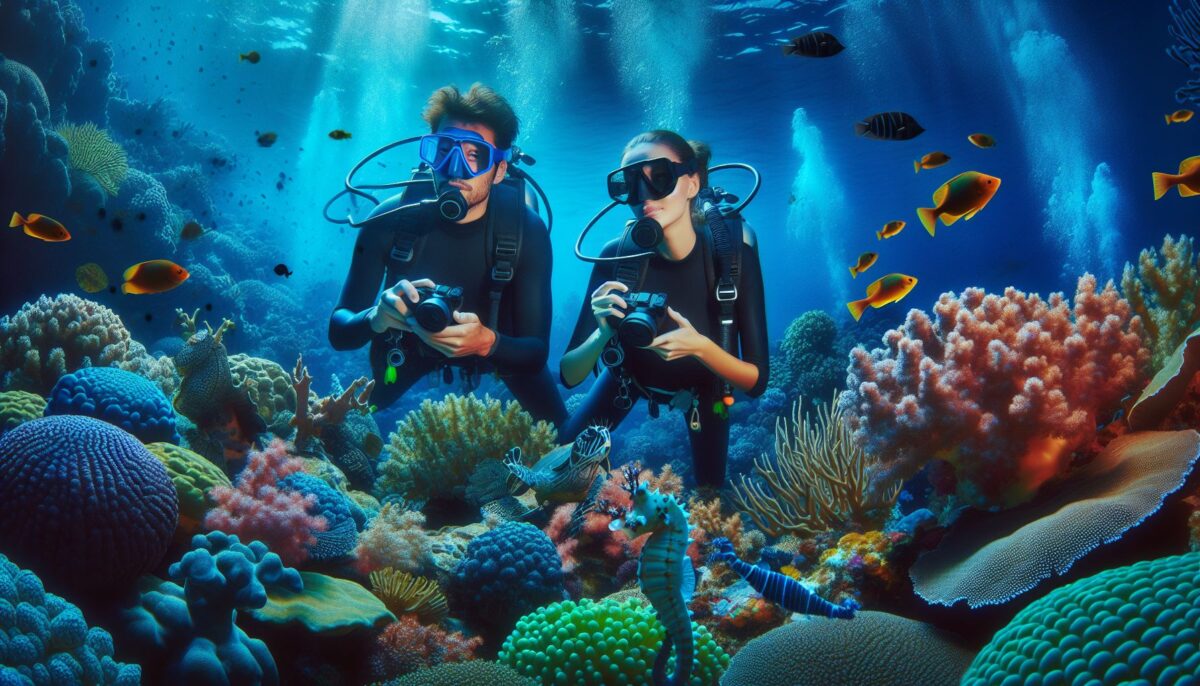
Coral reefs, often referred to as the rainforests of the sea, are one of the most diverse and valuable ecosystems on Earth. They are not just breathtaking underwater landscapes but are also vital to the health of the oceans and the planet. Unfortunately, these vibrant ecosystems are facing unprecedented threats due to human activity and climate change. This article aims to explore the significance of coral reefs, the challenges they face, and the measures taken to conserve these natural treasures for future generations.
The Significance of Coral Reefs
Coral reefs are more than just a pretty sight for divers and snorkelers; they provide essential services to both marine life and human communities. Let’s delve into their ecological, economic, and cultural importance.
Ecological Importance
-
Biodiversity Hotspots: Scientists estimate that while coral reefs cover less than 1% of the Earth’s surface, they support about 25% of all marine species. This biodiversity includes a variety of species, from microscopic plankton to larger fish and mammals.
-
Nurseries for Marine Life: Many fish species that are critical to both coastal ecosystems and human diets begin their lives among the protective structures of coral reefs.
-
Cycling of Nutrients: Reefs play a crucial role in the nutrient cycles of marine ecosystems, recycling nitrogen, carbon, and other essential elements.
Economic Importance
-
Fisheries and Food Security: Coral reefs support commercial and subsistence fisheries. According to the World Wildlife Fund, around 500 million people worldwide depend on reefs for food, income, and protection from storms.
-
Tourism: Reefs contribute to the tourism industry by attracting millions of visitors each year, boosting local economies.
-
Medicinal Resources: Compounds extracted from coral reef organisms are used in medicines to treat diseases like cancer and HIV.
Cultural Importance
- Heritage and Identity: For many coastal communities, especially in the Pacific and Caribbean, coral reefs are intertwined with cultural identities and practices.
The Challenges Facing Coral Reefs
Despite their importance, coral reefs have been suffering from multiple threats.
Climate Change and Coral Bleaching
- Rising Temperatures: As global temperatures rise, so do sea surface temperatures, leading to coral bleaching. Corals expel the algae (zooxanthellae) that live in their tissues and provide them with food through photosynthesis, thus, losing their vibrant colors and main source of nourishment.
Ocean Acidification
- Carbon Emissions: The increase in CO2 emissions has made the oceans more acidic, which affects the ability of corals to generate their calcium carbonate skeletons.
Pollution
-
Agricultural Runoff: Nutrient-rich runoff can lead to algal blooms that suffocate reefs.
-
Marine Debris: Plastic and other waste can physically harm corals and marine life.
Overfishing and Destructive Fishing Practices
- Ecosystem Balance: Overfishing removes key reef species and alters the ecological balance, damaging reef structures in the process.
Coastal Development and Land-Based Pollution
- Habitat Destruction: Construction and dredging activities can lead to sedimentation, which smothers coral reefs.
Conservation Efforts
In response to these threats, a variety of conservation initiatives have been undertaken.
Marine Protected Areas (MPAs)
Marine protected areas are designated zones where human activities are managed to protect the marine environment. Zones within MPAs can range from areas with no access to areas with some restrictions to sustain both marine life and local economies. Research has shown that MPAs can lead to an increase in fish sizes and populations, which also benefits areas outside the protected zones.
Sustainable Fishing Practices
Efforts to promote sustainable fishing practices, such as limiting catches and reducing bycatch, help relieve pressure on reef-associated fish populations.
Climate Change Mitigation
Global actions to reduce greenhouse gas emissions are crucial for protecting coral reefs. International agreements such as the Paris Agreement aim to limit global warming, which would reduce the prevalence and intensity of coral bleaching events.
Coral Reef Monitoring and Restoration
Scientists and conservationists are engaging in coral reef monitoring and restoration efforts. Coral farming and transplantation of coral fragments onto damaged reefs are examples of active restoration methods.
Public Education and Awareness
Educating the public about the importance of coral reefs and the impacts of human activity can lead to behaviors that are more conducive to reef conservation.
Conclusion
Coral reefs are essential ecosystems that require immediate and ongoing protection. Through concerted efforts that combine science, policy, and community engagement, we can work towards a future where these diverse habitats continue to thrive.
Sources
-
World Wildlife Fund (WWF). Coral Reefs: Facts and Figures. https://www.worldwildlife.org/habitats/coral-reefs
-
National Oceanic and Atmospheric Administration (NOAA). Coral Reef Conservation Program. https://coralreef.noaa.gov/
-
United Nations Environment Programme (UNEP). The Importance of Coral Reefs. https://www.unep.org/explore-topics/oceans-seas/what-we-do/working-reefs/importance-coral-reefs
Preserving coral reefs is not just the job of scientists and policymakers; it is a responsibility that falls on all of us. As we continue to learn, engage, and act, we can ensure that the vibrant underwater cities continue to pulsate with life—benefitting the marine species that inhabit them, the communities that rely on them, and the future generations that deserve to witness their beauty.
