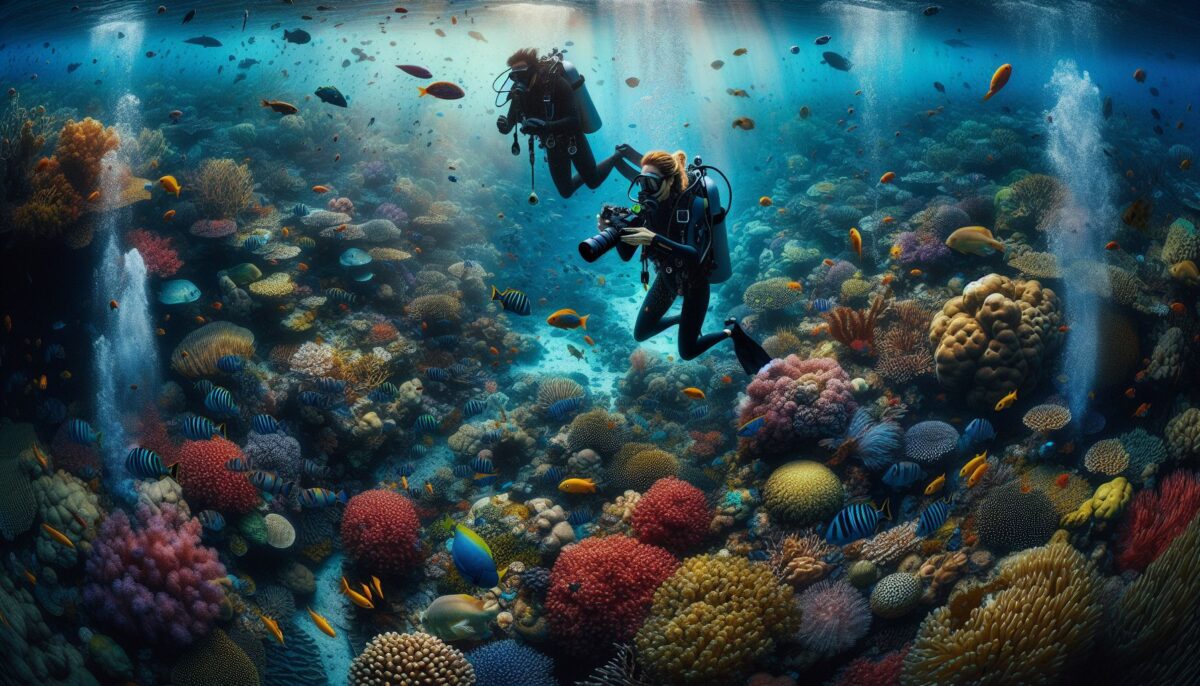
The ocean, covering over 70% of the Earth’s surface, is a vast and dynamic environment, home to an extraordinarily diverse range of life forms. From the colorful coral reefs to the mysterious depths of the abyss, the marine environment has provided resources and services that are fundamental to human cultures and livelihoods. However, as human activities expand into these waters, marine ecosystems across the world are facing immense pressures. One of the pivotal responses to these challenges is the establishment of Marine Protected Areas (MPAs). This article will dive into the depths of why MPAs are vital for conserving marine biodiversity and how they can help sustain the planet’s blue economy.
What are Marine Protected Areas?
Marine Protected Areas (MPAs) are clearly defined geographical spaces in the ocean that are recognized and managed through legal or other effective means to achieve the long-term conservation of nature with associated ecosystem services and cultural values. Just like national parks and wildlife refuges on land, MPAs are set aside with the goal of conserving nature, benefiting wildlife, and protecting ecosystems for future generations.
MPAs come in various forms and are established and managed by different levels of government, from local to global, based on conservation mandates. They can also differ in their objectives, ranging from strictly no-take zones, where all extractive activities are prohibited, to multiple-use areas that allow for certain types of fishing, tourism, and even limited resource extraction under a management plan.
The Importance of Marine Biodiversity
Biodiversity refers to the variety of life in a particular habitat or ecosystem. Marine biodiversity, specifically, includes the vast array of plants, animals, and microorganisms, the genetic differences between them, and the complex ecosystems they form in the ocean.
Diverse ecosystems are not just aesthetically engaging; they are also more resilient to environmental changes and provide a myriad of services including:
- Provisioning Services: Seafood, natural medicines, and genetic resources.
- Regulating Services: Carbon sequestration, waste decomposition, and water purification.
- Cultural Services: Recreational, spiritual, and educational values.
- Supporting Services: Nutrient cycling, soil formation, and primary production.
With increasing threats such as overfishing, pollution, climate change, and ocean acidification, marine biodiversity is at risk. The loss of marine biodiversity means not only the disappearance of species but also deterioration in the health and productivity of the entire ocean ecosystem.
The Role of MPAs in Marine Conservation
The establishment of MPAs is a globally recognized solution for marine conservation. Let’s look at key benefits of MPAs:
- Biodiversity Protection: MPAs protect habitats and provide refuge for marine life, leading to the preservation and recovery of threatened and endangered species.
- Fishery Management: By safeguarding critical spawning and nursery habitats, MPAs can help replenish fish stocks and sustain fisheries outside their boundaries.
- Ecosystem Resilience: Healthy marine ecosystems can better withstand and recover from severe weather events and changing environmental conditions.
- Cultural and Recreational Opportunities: MPAs often support recreational activities like diving and snorkeling, which can enhance tourism and local economies.
- Scientific Research: MPAs provide living laboratories for scientists to study undisturbed ecosystems, improve conservation strategies, and monitor climatic and oceanographic changes.
Success Stories: The Impact of MPAs
The Great Barrier Reef Marine Park, Australia
The Great Barrier Reef is one of the most famous MPAs globally, established in 1975 to protect the world’s largest coral reef system. Despite facing threats like coral bleaching and cyclones, the protected area has shown that well-managed MPAs can lead to increased biodiversity, with spillover benefits for the surrounding areas.
The Papahānaumokuākea Marine National Monument, USA
This vast MPA in the Northwestern Hawaiian Islands is one of the world’s most extensive conservation areas. Since its expansion in 2016, it has showcased the positive effects of large-scale protection on marine life, including increases in populations of endangered species, like the Hawaiian monk seal and the green sea turtle.
Challenges and Controversies
While the benefits of MPAs are clear, they also face challenges and controversies:
- Enforcement and Compliance: Protection is only as effective as its enforcement. Many areas suffer from illegal activities due to the lack of resources for monitoring and enforcement.
- Local Livelihoods: Restrictions on fishing and other activities can impact local communities, leading to conflicts over MPA boundaries and regulations.
- Climate Change: MPAs cannot stop the effects of global warming, acidification, and sea-level rise, which call for broader international efforts to reduce greenhouse gas emissions.
Towards Effective Marine Conservation
For MPAs to be successful, several factors must be considered:
- Effective management plans that include stakeholder participation and comprehensive enforcement strategies.
- Adequate funding to support management, enforcement, and scientific research.
- Networks of MPAs that are ecologically connected and representatively cover diverse marine habitats.
- Integration with other management measures, such as sustainable fishery practices and pollution reduction efforts.
Conclusion
Marine Protected Areas are not a panacea, but they are crucial tools in the battle to safeguard marine biodiversity and the invaluable services our oceans provide. As the global community works towards protecting 30% of the ocean by 2030 (the “30×30” target), MPAs will undoubtedly play a leading role. Effective designation and management of MPAs will require commitment, resources, and international cooperation to ensure that these precious marine areas continue to thrive for generations to come.
Supporting sources for further reading:
- “Marine Protected Areas: Benefits and Implications for Wealth, Fisheries, and Biodiversity,” by the World Bank (link)
- “A Global Network of Marine Protected Areas for Sustainable Development,” by the United Nations Environment Programme (link)
- “Ocean Protection: The 30×30 Initiative,” by the Marine Conservation Institute (link)
