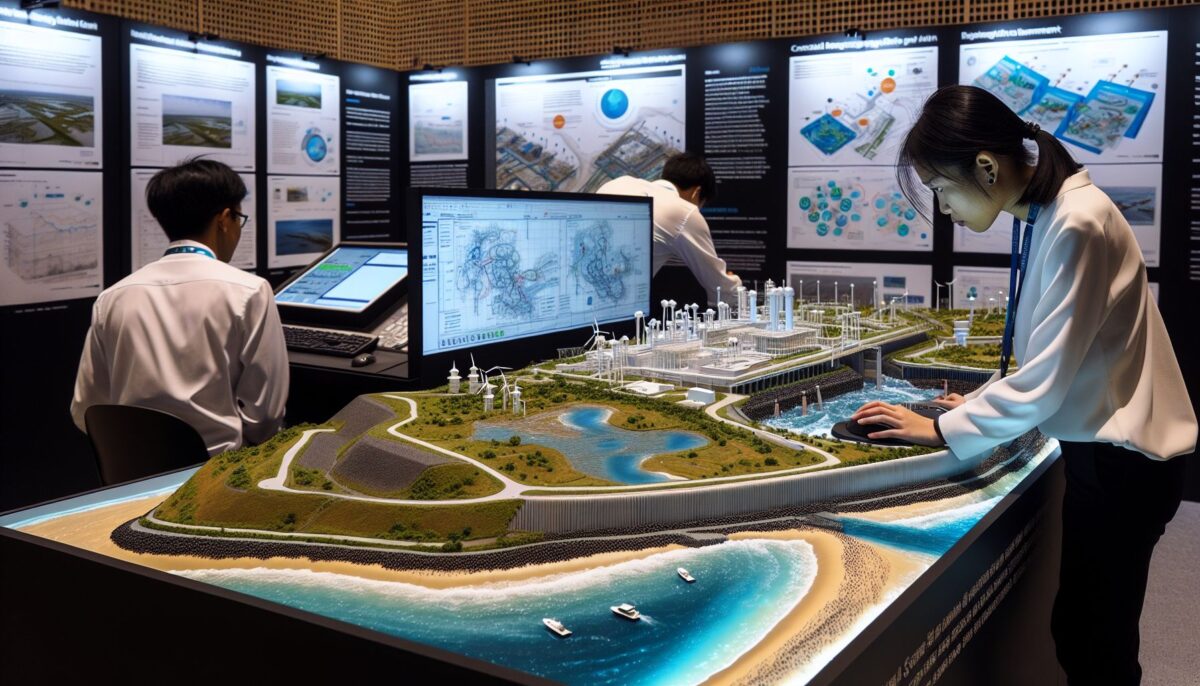
As human civilization has spread and grown, our impact on the world’s coastlines has been profound. Coastal regions present unique challenges and opportunities, requiring comprehensive management strategies to balance environmental concerns with economic interests. In this article, we’ll dive into the complexities of coastal management, the challenges faced, and the strategies employed to ensure sustainable use of these areas.
Introduction
Coastal areas are dynamic environments where the land meets the sea, hosting diverse ecosystems and serving as hubs for human activity. The management of these zones is crucial for protecting marine life, preserving human livelihoods, and mitigating natural hazards. The rising pressures from population growth, development, and climate change make it imperative to focus on sustainable coastal management practices.
The Importance of Coasts
Coasts are more than just picturesque locations; they are economic powerhouses and environmental treasure troves. According to the National Oceanic and Atmospheric Administration (NOAA), over half the world’s population lives within 100 kilometers of the coast, and coastal counties contribute significantly to national economies through sectors such as tourism, fisheries, and shipping.
Coastal ecosystems like mangroves, estuaries, and coral reefs provide essential services such as:
- Habitat for marine biodiversity
- Protection against storm surges and tsunamis
- Natural water filtration
- Carbon sequestration, aiding in climate regulation
Understanding the multifaceted role of coastal areas is key in appreciating the need for effective management.
Challenges in Coastal Management
Several pressing issues threaten the integrity of coastal regions:
Climate Change and Sea Level Rise
Climate change is leading to rising sea levels, which can inundate low-lying areas, exacerbate coastal erosion, and lead to more frequent and severe flooding. The Intergovernmental Panel on Climate Change (IPCC) warns that these effects will only worsen unless greenhouse gas emissions are significantly curtailed.
Coastal Erosion
Natural processes and human activities contribute to the loss of coastal lands. Erosion can lead to the destruction of important habitats and the loss of property and infrastructure.
Marine Pollution
Pollution from land-based sources, including plastic waste, agricultural runoff, and industrial contaminants, has devastating effects on coastal ecosystems. This pollution can lead to eutrophication, hypoxic zones, and harms marine species.
Overfishing and Unsustainable Aquaculture
The demand for seafood has led to overfishing in many parts of the world. Aquaculture, or fish farming, can help meet this demand but, if managed poorly, can also contribute to pollution and disease spread among wild fish populations.
Habitat Destruction
Development for commercial, residential, and recreational uses can lead to the destruction of crucial coastal habitats, further endangering the flora and fauna that rely on these areas.
Strategies for Sustainable Coastal Management
Addressing the challenges of coastal management requires a mix of policies, scientific understanding, and community engagement. Some of these strategies include:
Integrated Coastal Zone Management (ICZM)
ICZM is an approach that brings together all stakeholders to manage coastal zones holistically. It takes into account ecological, social, cultural, and economic perspectives to develop sustainable practices.
Marine Protected Areas (MPAs)
Establishing MPAs helps conserve marine ecosystems by restricting activities like fishing or development that can cause harm. This ensures the preservation of biodiversity and can enhance fish stocks in surrounding areas through the “spillover” effect.
Ecosystem-Based Management (EBM)
EBM is the comprehensive, sustainable management of ecosystem services that considers ecological relationships and cumulative impacts of human actions rather than focusing on a single species or issue.
Shoreline Stabilization
To counteract erosion, techniques such as beach nourishment, where sand is added to eroded beaches, and the construction of barriers such as seawalls and breakwaters help protect the coastline. These methods must be carefully considered to not exacerbate erosion elsewhere or harm the environment.
Restoring Coastal Habitats
Restoration projects aim to bring back the original condition of damaged or destroyed habitats. Restoring mangroves, salt marshes, and dunes can improve coastal resilience and provide natural defense against storms and erosion.
Regulatory Policies
Implementing regulations that limit harmful activities and promote sustainable use of resources is vital. These can include fishing quotas, pollution controls, and zoning laws that restrict development in vulnerable areas.
Climate Adaptation Measures
With the reality of climate change, coastal management must include planning for sea level rise and extreme weather events. This may involve building more resilient infrastructure, creating buffer zones, and enhancing early warning systems for natural disasters.
Community Engagement and Education
Local communities must play an active role in coastal management. Engaging the public through education on the importance of coastal areas and how to protect them creates a sense of stewardship and helps in the enforcement of sustainable practices.
Conclusion
Coastal management is a complex but essential field that balances human use with the preservation of ecological integrity. The strategies outlined above offer a blueprint for protecting our coastlines but require commitment and cooperation from governments, industries, communities, and individuals.
As we look to the future of our coastal regions, continued research, innovation, and adaptive management will be key. Addressing the challenges will not only protect the environment but will also safeguard the economic and cultural resources that the world’s coastlines provide for generations to come.
Sources
- National Ocean Service (NOAA). “What is Coastal Zone Management?” Retrieved from oceanservice.noaa.gov.
- Intergovernmental Panel on Climate Change (IPCC). “Special Report on the Ocean and Cryosphere in a Changing Climate.” Retrieved from ipcc.ch.
- The Nature Conservancy. “Protecting Coastal Wetlands and Coral Reefs.” Retrieved from nature.org.
