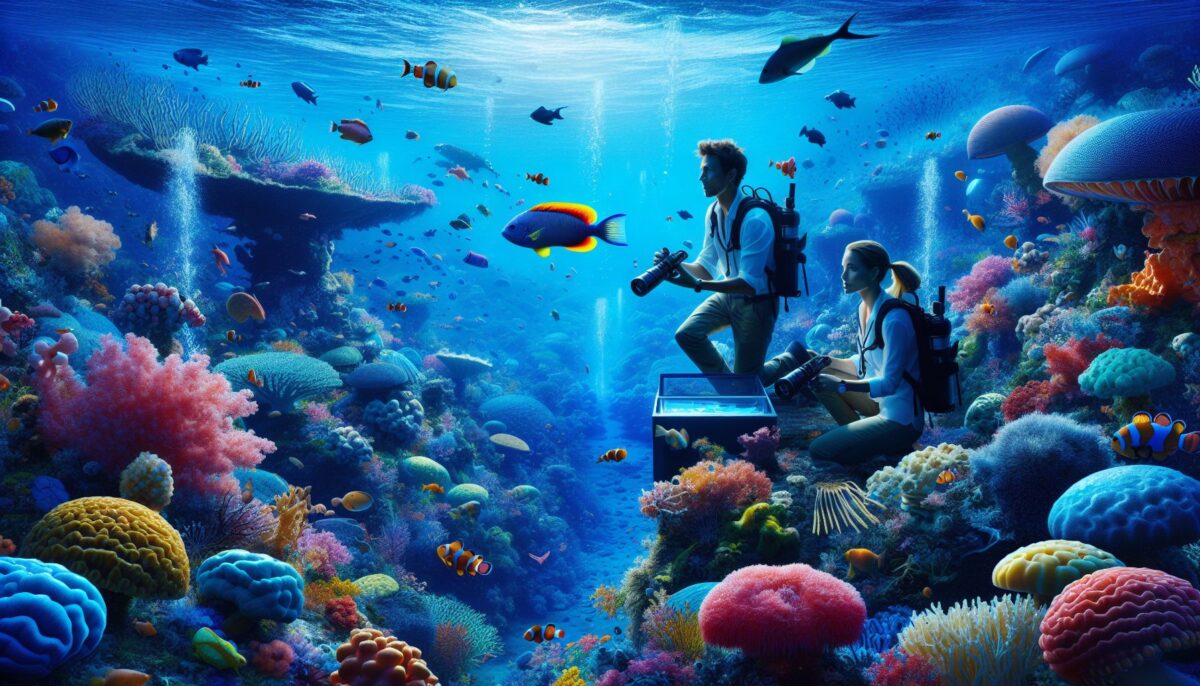
The ocean, encompassing over 70% of Earth’s surface, remains a vast mystery with depths uncharted and secrets clutched in its underwater embrace. As an enthralling realm that beckons with its enigmatic beauty and bewildering complexity, the study of the ocean, known as Oceanography, emerges as an indispensable bridge to understanding the planet we call home. This scholarly article will immerse you into the intricacies of oceanography, unraveling its significance, the technology propelling its research, and the importance of preserving our oceanic treasure troves.
The Scope of Oceanography
Oceanography is a multifaceted field that intricately intertwines various scientific disciplines to unravel the essence of the Earth’s oceans. It encompasses biological, chemical, physical, and geological aspects, each providing insights into the enigmatic underwater domain.
Biological Oceanography
Marine biology is a vibrant component of oceanography, probing the astonishing diversity of marine life that animates the ocean’s depths. Spanning from microscopic plankton to gargantuan whales, these creatures compose a complex web of life essential to Earth’s ecosystems.
Chemical Oceanography
This branch scrutinizes the chemical composition of ocean waters and the biochemical processes underlying the marine environment. For instance, ocean acidification is a pressing issue that chemical oceanographers seek to understand and mitigate.[^1]
Physical Oceanography
The dynamics of waves, currents, tides, and sea level rise fall under the purview of physical oceanography. This discipline is integral to comprehending climate change’s impact on oceanic circulation and the consequent global repercussions.[^2]
Geological Oceanography
Marine geologists delve into the ocean’s seafloor, analyzing marine geology to unlock the past, present, and future of both the undersea landscape and its geological phenomena such as tsunamis and coastal erosion.[^3]
Technologies Propelling Ocean Research
Advancements in technology are integral to oceanography, granting researchers tools to explore and monitor the deep blue like never before. Cutting-edge equipment and methods have revolutionized our approach to studying and appreciating the ocean.
Remote Sensing
Through satellites and airborne sensors, oceanographers can observe large swathes of the ocean, monitoring parameters such as surface temperature, chlorophyll levels, and algal blooms. Remote sensing is crucial for studying marine pollution and the impacts of climate change on maritime realms.
Submersibles and ROVs
Human-operated and remotely operated vehicles (ROVs) venture into the abyss, allowing researchers to observe and sample environments otherwise unreachable. The Alvin submersible, for instance, has been instrumental in exploring the Titanic wreck and hydrothermal vents.
Autonomous Underwater Vehicles (AUVs)
AUVs, like the Wave Glider, autonomously roam the seas, collecting data on ocean conditions and marine biodiversity. AUVs have been deployed to patrol marine protected areas and study water quality in critical ecosystems like reefs and estuaries.
Sonar and Seismic Reflection
Sonar technology assists in mapping the seafloor’s topography, revealing hidden contours of the continental shelf and underwater features such as canyons and mountains. Seismic reflection, meanwhile, furnishes insights into subsurface geological structures, critical for offshore drilling and studying earthquake-prone regions.
Oceanographic Buoys
These anchored or drifting platforms are endowed with instruments to collect ongoing data on atmospheric and oceanic variables, playing a pivotal role in weather forecasting and tracking climate phenomena such as El Niño.
The Beating Heart of Biodiversity
The ocean is teeming with life, housing ecosystems from colorful coral reefs to shadowy deep-sea trenches. A kaleidoscope of plants, animals, and microbes, each adapted to their unique marine habitats, form an intricate tapestry of interdependent relations.
Keystone Species Preservation
Species such as krill in Antarctica play a pivotal role in the marine food web, supporting an array of wildlife. The preservation of these keystone species is critical in maintaining the balance of marine ecosystems.
Marine Protected Areas
As sanctuaries for marine life, these areas play a vital role in conservation efforts, helping regenerate fish stocks and protect habitats from detrimental human activities. They are the marine counterpart to terrestrial national parks, fostering biodiversity and ecosystem resilience.
The Plight of Coral Reefs
A hotspot for marine biodiversity, coral reefs are under significant threat from coral bleaching, caused by rising water temperatures, and destructive practices such as overfishing and pollution. Efforts to restore and protect these underwater rainforests are of utmost importance. [^4]
Sustaining the Blue Economy
Oceanographic research is not confined to the academic realm; it is intricately connected to the “blue economy”—the economic benefits we derive from the ocean. This includes maritime industries such as shipping, aquaculture, navigation, and renewable energy sources like tidal and wave energy.
Responsible Fisheries Management
Overfishing is a grave concern impacting both fish populations and the communities that rely on them. Sustainable fisheries management, informed by nuanced scientific data, is imperative in ensuring the longevity of marine resources.
Ocean Renewable Energy
Harnessing the kinetic energy of tides and waves paves the way for clean, renewable power sources. This not only curtails our reliance on fossil fuels but also mitigates the impact of offshore drilling and carbon emissions.
Marine Tourism
From scuba diving in turquoise waters to spotting whales offshore, marine tourism is a thriving industry that, when managed sustainably, can promote environmental awareness and drive conservation funding.
Challenges and Stewardship
Despite its immeasurable value, the ocean faces mounting threats from human activities. Pollution, climate change, and unsustainable exploitation are but a few of the challenges that necessitate a concerted global response.
Combating Marine Pollution
Oil spills, marine debris, and plastic pollution wreak havoc on marine flora and fauna. Advocacy for stricter regulations and innovative clean-up technologies is key to tackling this issue head-on.
Addressing Climate Change
The ocean is a colossal carbon sink, but climate change is altering its chemistry, leading to acidification and affecting marine life. Robust action to curb greenhouse gas emissions is non-negotiable in mitigating these effects.
Enhancing Coastal Management
Coastal erosion, storm surges, and sea level rise endanger coastal communities and their livelihoods. Science-driven coastal management practices are vital for safeguarding these zones.
Conclusion
The study of oceanography is not only an academic pursuit but a clarion call to safeguard our seas. Through scientific discovery, stewardship, and sustainable practices, we can ensure that the majesty of the ocean endures for generations to come. The interdisciplinary nature of oceanography serves as a reminder that addressing oceanic challenges requires a collaboration between scientists, policymakers, and the public.
As we continue to unravel the mysteries of our oceanic world, every discovery fosters a deeper appreciation and urgency to protect this remarkable resource. For in the depths of our planet’s last frontier
