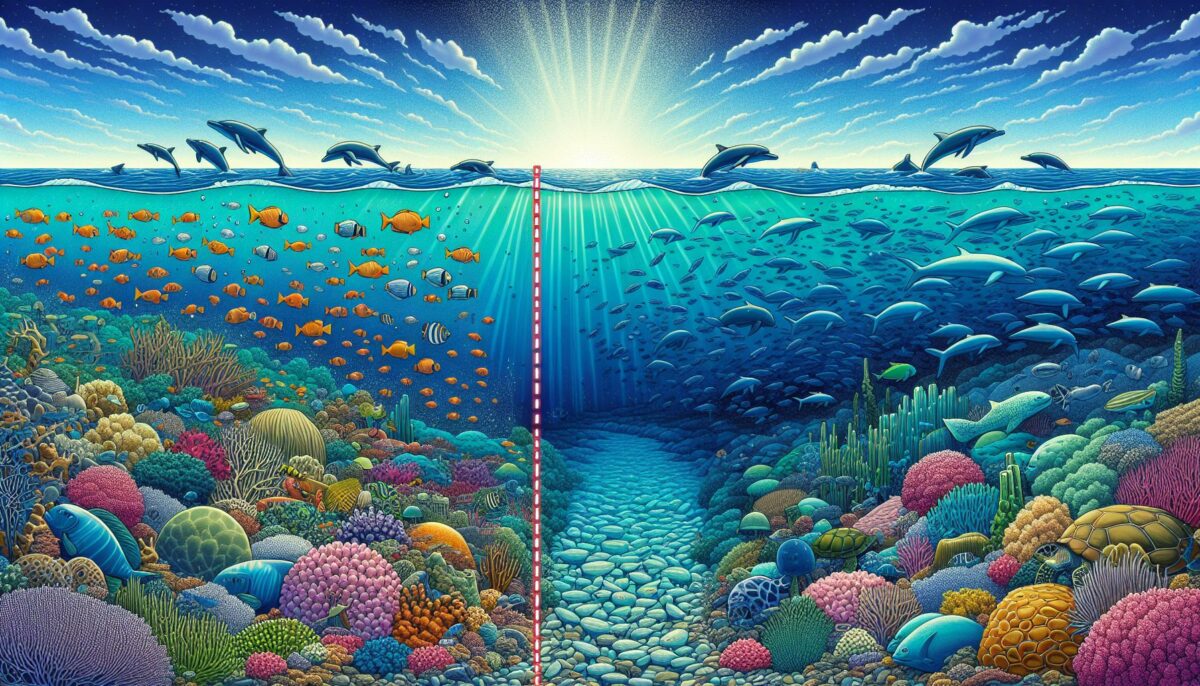
The ocean is the Earth’s final frontier—an expanse of azure that covers more than 70% of our planet’s surface, driving weather, regulating temperature, and ultimately supporting all living organisms. Beneath the waves lies a world of astonishing biodiversity, with environments as varied and complex as any found on land. However, this vast and dynamic world is under persistent threat from human activities. To protect the fragile marine ecosystems, the concept of Marine Protected Areas (MPAs) has come to the fore as a pivotal conservation strategy. In this article, we delve into the essence of MPAs, their significance, challenges faced, and their role in safeguarding the ocean’s health and our future.
What are Marine Protected Areas?
MPAs are designated sectors of oceans, seas, estuaries, or large bodies of water where human activity is more rigorously regulated than the surrounding waters to preserve natural or cultural resources. Like national parks and wildlife refuges on land, MPAs are set aside to conserve part of the natural environment, allowing marine life to flourish while also providing opportunities for education, recreation, and sustainable use.
markdown

- **Conservation Goals**: The primary objective of MPAs is to conserve biodiversity and protect endangered species and habitats.

- **Sustainable Use**: Many MPAs allow for sustainable fishing practices, research, and eco-tourism, balancing human use with ecological preservation.

- **Cultural Preservation**: Certain MPAs aim to protect areas of historical or cultural significance, like shipwrecks or sacred indigenous sites.
The Importance of Marine Protected Areas
Marine protected areas play a critical role in the conservation of marine environments. Here are some of their key contributions:
Biodiversity Conservation
MPAs provide safe havens for species to breed, feed, and rear their young free from direct human pressures. This sanctuary space is particularly critical for endangered species.
Fisheries Management
By protecting spawning grounds and nurseries, MPAs can help depleted fish stocks to recover, which in turn supports the sustainability of global fisheries and local fishing communities.
Resilience Against Climate Change
Healthy, diverse ecosystems are better equipped to withstand the impacts of climate change. MPAs can help to foster resilience by protecting the natural processes that underpin marine ecosystems.
Economic Benefits
MPAs draw tourists for recreational activities like diving and snorkeling, providing economic benefits to coastal communities while promoting environmental stewardship.
Education and Research Opportunities
MPAs serve as living laboratories where scientists and students can study marine ecosystems, leading to discoveries that can help manage the ocean more sustainably.
Preserving Culture and History
MPAs safeguard historical and cultural sites under the sea, allowing us to connect with our maritime heritage.
Challenges in Marine Protected Area Management
Establishing and managing MPAs is not without difficulty. Challenges include:
- Enforcement: Ensuring that the regulations within MPAs are followed requires significant resources, often including monitoring by boats or aircraft and legal frameworks.
- Local Opposition: Sometimes, local communities and industries reliant on marine resources oppose MPAs, fearing economic loss or cultural disconnection.
- Funding: Creating and sustaining MPAs can be expensive, and in many cases, funding is inadequate for effective management.
- Climate Change: Global phenomena such as ocean acidification and warming water temperatures add complexity to managing MPAs.
Marine Protected Areas Around the World
There are many notable MPAs globally. Here are a few examples:
- The Great Barrier Reef Marine Park, Australia: Perhaps the most famous MPA, it protects a vast area of reefs, islands, and waters, with outstanding biodiversity.
- Papahānaumokuākea Marine National Monument, USA: One of the world’s largest MPAs, it spans nearly 1.5 million square kilometers, protecting both natural and cultural resources.
- Galápagos Marine Reserve, Ecuador: Surrounding the Galápagos Islands, this MPA is known for its unique species and critical research contributions.
Supporting Marine Protected Areas
There are numerous ways individuals and communities can support MPAs:
- Advocacy: Support policies and initiatives aimed at establishing and expanding MPAs.
- Sustainable Practices: Engage in sustainable seafood consumption and responsible marine activities.
- Education: Learn and teach others about the importance of MPAs and ocean conservation.
- Volunteering: Participate in local conservation projects or citizen science efforts.
Conclusion
Marine Protected Areas are a cornerstone in the preservation of our marine heritage. By protecting critical areas, we are giving the ocean space to breathe and recover, ensuring that it can continue to perform its vital ecological roles. However, MPAs are just one piece of the puzzle. To truly ensure a sustainable future for our blue planet, a combination of global policy, local management, scientific research, and public engagement must come together to address the myriad threats facing our oceans.
Sources:
- Marine Conservation Institute. “What Is a Marine Protected Area?”
- World Wildlife Fund (WWF). “Marine Protected Areas.”
- United Nations Environment Programme (UNEP). “Marine Protected Areas.”
By embracing the concept of MPAs and actively supporting their establishment and management, we can help preserve the ocean’s biodiversity and secure the countless benefits it provides us, from seafood to climate regulation, for future generations.
