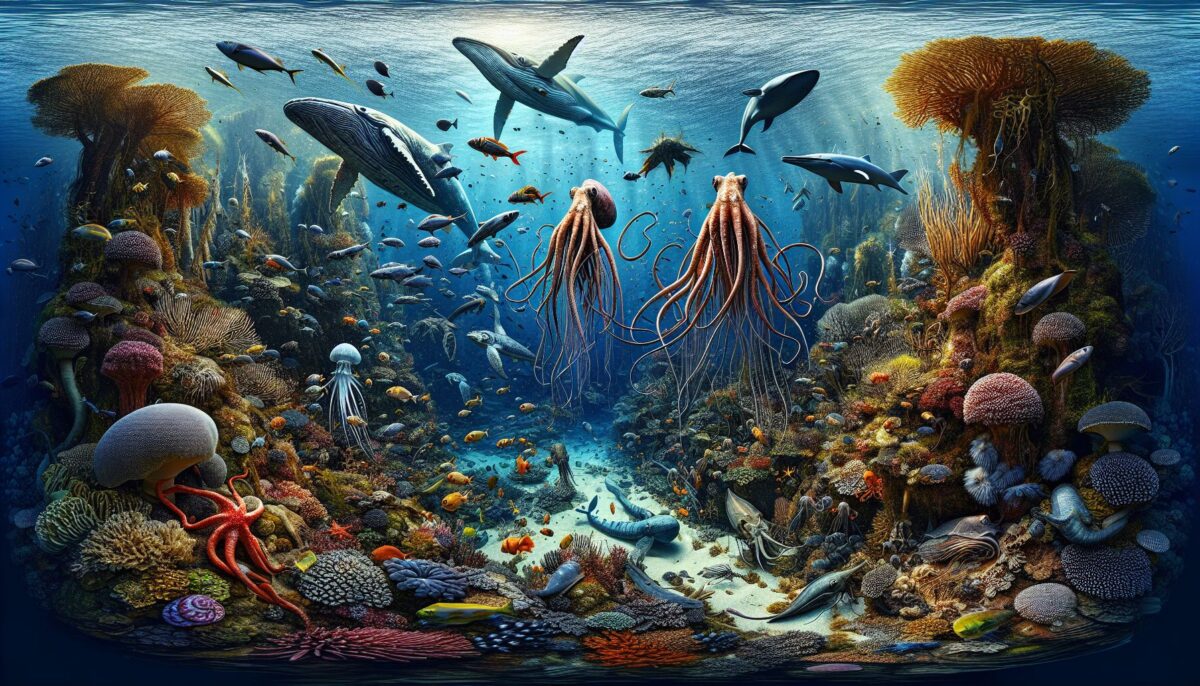
The ocean, a majestic and expansive body of water, covers more than 70% of our planet’s surface, shaping the Earth’s climate and geography. But, beyond its surface lies a complex and diverse tapestry of life—the marine biodiversity. In this comprehensive look at marine biodiversity, we explore not just the array of species that call the ocean home, but also the crucial role they play in maintaining environmental balance and the threats they face in the modern world.
What is Marine Biodiversity?
Marine biodiversity refers to the variety and variability of life forms within ocean ecosystems, including species diversity, genetic diversity, and ecological diversity. This encompasses everything from microscopic plankton to the largest whales, and from the surface waves to the darkest depths of the ocean trenches. The molecular diversity and intricate interactions between these organisms contribute to the ocean’s robust and intricate ecosystems.
The Significance of Marine Biodiversity
Understanding the importance of marine biodiversity is key to appreciating why we must strive to protect it.
Ecological Balance:
Marine species play specific roles in their ecosystems, such as predators, prey, or ecosystem engineers that modify their habitats. For example, coral reefs provide shelter and breeding grounds for numerous marine organisms.
Economic Value:
Many coastal communities depend on marine biodiversity for their livelihoods through fisheries and tourism. Additionally, marine organisms are sources of new pharmaceuticals and are essential in biotechnology research.
Climate Regulation:
The ocean absorbs vast amounts of carbon dioxide from the atmosphere, and marine plants and algae produce oxygen. This helps to regulate the global climate.
Discovering the Richness of Marine Life
Let’s plunge into the various realms that make up the ocean’s living network.
Plankton: The Ocean’s Foundation
Plankton, both phytoplankton (plant-like) and zooplankton (animal-like), are microorganisms that drift with ocean currents. They form the basis of the marine food web, with phytoplankton utilizing photosynthesis to convert sunlight into energy.
Coral Reefs: The Rainforests of the Sea
Coral reefs are the most diverse of all marine ecosystems, often referred to as ‘rainforests of the sea.’ They harbor thousands of species of fish, invertebrates, and other organisms within their intricate structures.
Deep-Sea Habitats: A Realm of Mysteries
The deep sea remains one of the least explored areas on Earth, with hydrothermal vents and cold seeps hosting unique life forms that thrive in extreme conditions.
Coastal and Estuarine Ecosystems: Biodiversity Hotspots
Coastal areas, including estuaries, mangroves, and salt marshes, are among the most productive ecosystems on Earth. They serve as nurseries for many marine species and are crucial for maintaining fish populations.
The Open Ocean: A Vast Wilderness
The open ocean or pelagic zone is a vast area that occupies the largest volume of the Earth’s surface. Its inhabitants range from tiny copepods to gigantic blue whales, and it includes both the sunlit surface layers and the darker, pressure-intense deep waters below.
Source 1: NOAA – National Oceanic and Atmospheric Administration
Threats to Marine Biodiversity
Despite its vastness, the world’s oceans are facing significant threats that are causing unprecedented changes to marine biodiversity.
Overfishing and Unsustainable Fisheries
Overfishing has led to the depletion of many fish stocks, significantly altering marine ecosystems. Unsustainable fishing practices also cause unintended damage to non-target species and habitats.
Climate Change and Ocean Acidification
Increasing levels of greenhouse gases are causing ocean temperatures to rise, leading to coral bleaching and other stresses on marine life. The oceans also absorb carbon dioxide, leading to acidification, which affects the ability of organisms like shellfish and corals to build their calcium carbonate structures.
Pollution and Marine Debris
Marine pollution, including plastic debris, chemicals, and oil spills, poses a direct threat to marine organisms through ingestion, entanglement, and habitat degradation.
Habitat Destruction
Coastal developments, destructive fishing practices, and other human activities lead to the loss of crucial habitats like coral reefs, mangroves, and seagrass beds.
Invasive Species
The introduction of non-native species can disrupt local ecosystems, outcompete native species, and alter the natural balance of marine environments.
Source 2: WWF – World Wildlife Fund
Conservation Efforts and Sustainable Practices
Combatting the threats to marine biodiversity requires global action and local commitment. Here’s what’s being done:
Marine Protected Areas (MPAs)
MPAs are regions of the ocean where human activities are managed and regulated to conserve the natural environment. These areas help preserve biodiversity, rebuild fish stocks, and protect critical habitats.
Sustainable Fisheries Management
Implementing sustainable fishing practices, such as catch limits, gear restrictions, and bycatch reduction, helps ensure that marine species are not overexploited.
Pollution Reduction Initiatives
Projects aimed at reducing the input of pollutants into the ocean, including plastic waste management and stricter controls on chemical discharges.
Climate Change Mitigation
Efforts to reduce greenhouse gas emissions on a global scale are critical for protecting the ocean’s biodiversity. Additionally, promoting ocean resilience through the protection of key ecosystems can help marine life adapt to changing conditions.
Education and Public Awareness
Educating people about the importance of marine biodiversity and how their actions can make a difference plays a vital role in fostering long-term conservation efforts.
Source 3: IUCN – International Union for Conservation of Nature
The Role of Science and Technology in Understanding Marine Biodiversity
Advancements in marine biology, oceanography, and technology are essential for exploring, monitoring, and protecting the ocean’s biodiversity.
Marine Biology and Ecology Research
Scientists study the interactions within marine ecosystems to inform conservation strategies and predict responses to environmental changes.
Remote Sensing and Monitoring
Satellite imagery and autonomous underwater vehicles (AUVs) provide valuable data on large-scale oceanic processes and the distribution of marine life.
Genetic and Genomic Studies
Genetic research helps preserve the genetic diversity within populations, essential for adaptation and resilience against environmental pressures.
The Blue Economy: Sustainable Use of Ocean Resources
The blue economy refers to the sustainable use of ocean resources for economic growth, improved livelihoods, and jobs while preserving the health of the ocean ecosystem. It encompasses industries such as sustainable fishing, renewable energy (tidal and wave energy), and eco-tourism, all working towards a balance between development and conservation.
Conclusion: Our Ocean, Our Responsibility
Marine biodiversity is a global treasure with vital importance for environmental balance, economic sustainability, and human well-being. It is our collective duty to understand, cherish, and protect this rich tapestry of life beneath the waves. Through informed policies, responsible practices, and a commitment to conservation, we can ensure that the ocean’s vibrant diversity endures
