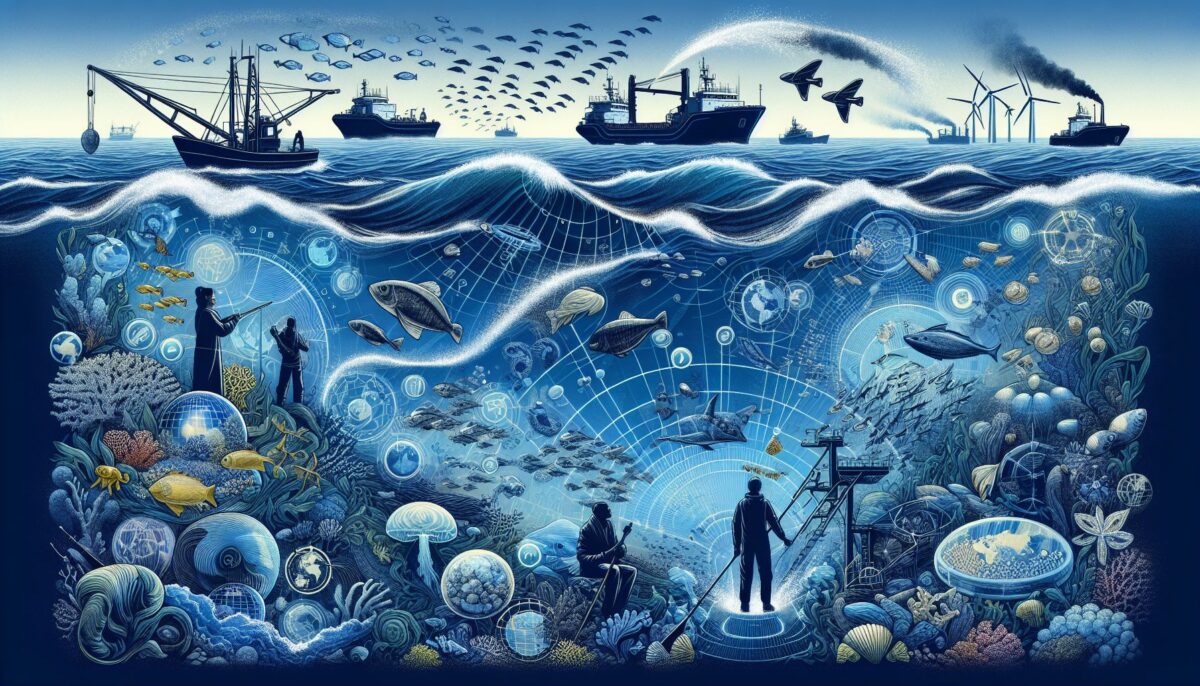
The ocean, which covers more than 70% of the Earth’s surface, is not just a massive body of water but also a vital source for human livelihood, biodiversity, and global ecosystems. The concept of the Blue Economy has emerged as a crucial model for promoting economic growth, maintaining healthy marine environments, and creating sustainable livelihoods. But what exactly is the Blue Economy, and how can we balance economic development with ecological preservation?
Understanding the Blue Economy
The term “Blue Economy” refers to the sustainable use of ocean resources for economic growth, improved livelihoods, and jobs while preserving the health of ocean ecosystems. It encompasses a wide range of economic sectors, including fisheries, tourism, maritime transport, renewable energy, and climate change mitigation efforts like carbon sequestration.
Fisheries: Ensuring Sustainable Stocks for the Future
Fisheries are a cornerstone of the Blue Economy, providing essential nutrition to billions of people worldwide and supporting countless jobs that depend on marine life. Sustainable practices such as responsible fish stock management, enforcement of fishing quotas, and the prevention of overfishing are vital to maintaining this sector.
According to the Food and Agriculture Organization (FAO), over 58 million people are employed in the fisheries and aquaculture sectors. Making sure these jobs are sustainable involves a delicate balance of conservation and utilization – a key pillar of the Blue Economy approach.
Aquaculture: Meeting Demand Responsibly
As the world’s population grows, so does the demand for seafood. Aquaculture, the farming of fish, shellfish, and seaweeds in freshwater and saltwater environments, has expanded to meet this need. It needs to be managed correctly to avoid damage to local ecosystems, water pollution, and the spread of diseases to wild fish populations.
Renewable Energy: Harnessing Ocean Power
The ocean is also a source for renewable energies, such as wind, tidal, and wave energy. The La Rance Tidal Power Station in France is a prime example of how tidal energy can contribute to the energy mix. Similarly, the development of offshore wind farms has the potential to reduce greenhouse gas emissions significantly.
Climate Change Mitigation: The Ocean’s Role
The Blue Economy also recognizes the ocean’s role in climate change mitigation. Ocean-based carbon sequestration, such as protecting and expanding mangrove forests and seagrass beds, sequesters carbon dioxide and helps reduce the impacts of global warming.
Marine Tourism: Harnessing Economic Potential Responsibly
Marine tourism is one of the fastest-growing areas of the Blue Economy. It includes recreational activities, such as scuba diving in coral reefs, and has the potential for significant economic gain if done sustainably. Destinations must manage the environmental impact of tourism to protect the very attractions that bring visitors in the first place.
Maritime Trade and Shipping: Vital for Global Economies
Shipping lanes are the highways of international trade, with over 80% of the volume of international trade in goods transported by sea, according to the United Nations Conference on Trade and Development (UNCTAD). The Blue Economy aims to increase efficiency and reduce the environmental footprint of this vast industry.
Challenges and Threats
Despite its potential, the Blue Economy faces serious challenges that need to be addressed for its sustainability:
-
Overfishing and Illegal Fishing: Illegal, Unreported, and Unregulated (IUU) fishing depletes fish stocks faster than they can replenish, threatening food security and marine ecosystems.
-
Pollution: Marine pollution, whether from land-based sources such as plastics and agricultural runoff, or from the maritime industry itself, is a significant threat to ocean health.
-
Climate Change: The effects of climate change, including ocean acidification and rising sea levels, directly impact the capacity of the ocean to sustain various forms of marine life and by extension, the communities relying on them.
-
Ocean Governance: Effective governance mechanisms are needed to ensure that ocean resources are managed sustainably and equitably.
The Way Forward
The sustainability of the Blue Economy requires cooperation at local, national, and international levels. Here are some strategies that can foster a sustainable Blue Economy:
-
Promote Sustainable Fisheries and Aquaculture: By enforcing sustainable quotas and encouraging aquaculture practices that protect the environment and maintain biodiversity.
-
Invest in Marine Renewable Energy: Developing technologies for harnessing wind, tidal, and wave energy can reduce our carbon footprint while generating economic growth.
-
Support Marine Protected Areas (MPAs): MPAs help conserve marine biodiversity and can sustain local economies by promoting eco-tourism.
-
Encourage Eco-Friendly Marine Tourism: By implementing strict guidelines to minimize environmental impacts and investing in eco-friendly infrastructure and practices.
-
Enhance Maritime Safety and Pollution Control: This involves adopting cleaner shipping technologies and stricter regulations to reduce the environmental impact of maritime transport.
-
Invest in Marine Research and Ocean Literacy: Understanding the ocean through research is critical. Increasing public awareness and education about marine issues is equally important.
Conclusion
The Blue Economy offers a holistic approach to using our marine resources in a way that fuels economic growth, supports livelihoods, fosters innovation, and, most importantly, ensures the sustainability of our ocean environment. As we look to the future, our global society must embrace the principles of the Blue Economy to maintain the health of the ocean, upon which we all depend so deeply.
Sources:
- Food and Agriculture Organization (FAO): http://www.fao.org/fishery/en
- United Nations Conference on Trade and Development (UNCTAD): https://unctad.org/topic/trade-logistics/shipping
- The World Bank on Blue Economy: https://www.worldbank.org/en/news/infographic/2017/06/06/blue-economy
