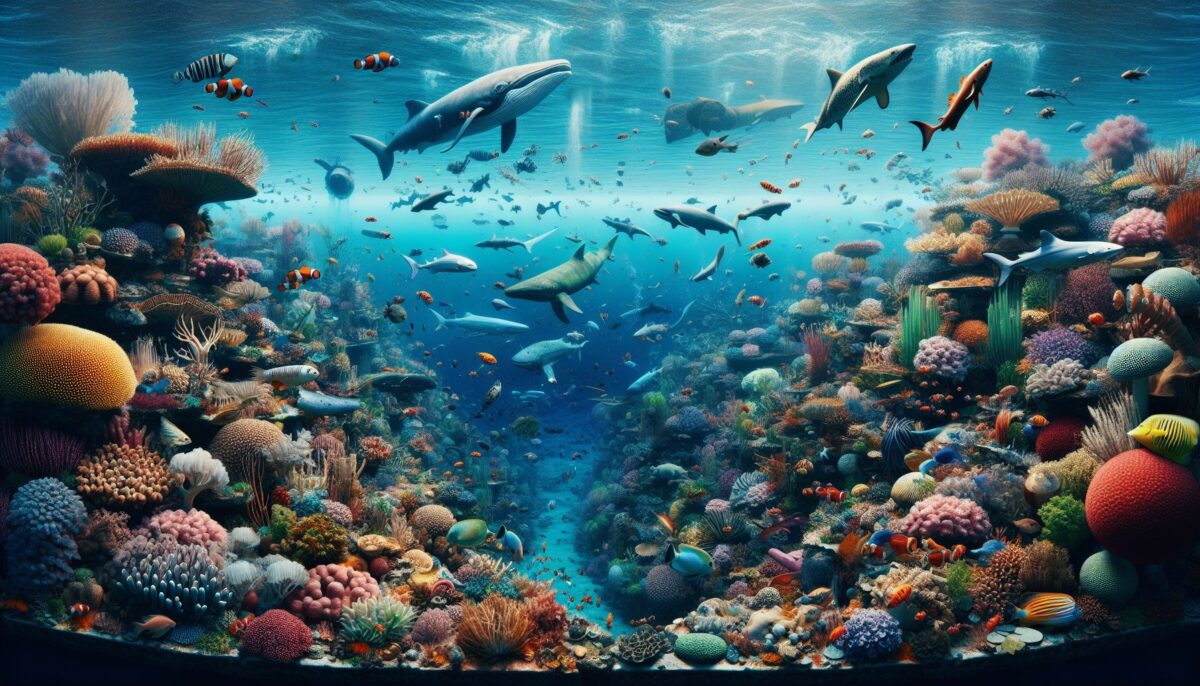
Our planet is a blue world, with oceans covering more than 70% of Earth’s surface. These vast bodies of water are not just expanses of saline water but are home to a myriad of life forms – from the smallest plankton to the largest whales. Marine biodiversity encompasses all the different kinds of life you’d find in the ocean. Let’s dive into the importance of marine biodiversity, the threats it faces, and why preserving it is crucial for the planet’s health.
What Is Marine Biodiversity?
Marine biodiversity refers to the variety and variability of living organisms in the ocean and other maritime environments, including the diversity within species, between species, and of ecosystems. This incredible biodiversity is not just a marvel of nature but is vital for the survival of human society at large due to its role in providing ecosystem services essential for life.
The Spectrum of Marine Life
The ocean is a stratified ecosystem, which means life can be found from the sunlit surfaces to the dark depths of the abyss. These different layers support their own unique communities:
- Photogenic Zone: The sunlit top layer of the ocean, where photosynthesis can occur, teems with life, including microscopic algae, corals, fish, and marine mammals.
- Aphotic Zones: Below the reach of sunlight, these zones harbor a surprising array of life adapted to the dark and the pressure, including bioluminescent organisms.
Coral Reefs: Rainforests of the Sea
Coral reefs are among the most diverse and valuable ecosystems on Earth. They support more species per unit area than any other marine environment, including over 4,000 species of fish and 800 species of corals. Reefs protect coastlines from storms and erosion, provide jobs for local communities, and offer opportunities for recreation.
The Importance of Marine Biodiversity
Biodiversity in the ocean makes crucial contributions to many aspects of human life:
- Food: Seafood is the primary source of animal protein for more than a billion people.
- Medicines: Many marine organisms serve as the basis for medicines to treat cancer, arthritis, Alzheimer’s, heart disease, and other ailments.
- Economy: Marine biodiversity is at the core of many industries, such as fisheries, pharmaceuticals, and tourism.
- Climate Regulation: Oceanic ecosystems play a significant role in climate regulation by absorbing carbon dioxide from the atmosphere.
Threats to Marine Biodiversity
Marine ecosystems face unprecedented threats from various human activities:
Overfishing
The demand for fish and other seafood has caused overexploitation of marine populations to the point where many species are endangered.
Habitat Destruction
Activities such as coastal development, bottom trawling, and coral mining physically destroy critical habitats, thus threatening the species that depend on them.
Pollution
Marine pollution, in the form of plastics, toxic chemicals, and other waste, damages the health of the oceans and the creatures living in them.
Climate Change
Increased levels of greenhouse gases in the atmosphere are causing ocean temperatures to rise, leading to ocean acidification and coral bleaching, which in turn harm marine organisms.
Invasive Species
As species are moved around the world, either intentionally or on the hulls of ships, they can become invasive and outcompete or cause the extinction of native species.
Conservation Efforts
Owing to these threats, there is an urgent need for the conservation and sustainable management of marine resources. This can be addressed through numerous interventions:
Marine Protected Areas (MPAs)
Establishing MPAs can help protect and restore marine biodiversity. These areas limit human activity to allow ecosystems to thrive.
Sustainable Fishing Practices
By enforcing fishing quotas, promoting selective gear, and ending destructive fishing practices, the decline in fish stocks can be reversed.
Tackling Climate Change
Reducing greenhouse gas emissions is crucial for protecting marine life. International agreements, such as the Paris Agreement, are steps in this direction.
Pollution Reduction
Eradicating single-use plastics, improving waste management, and reducing chemical pollution are all essential for a cleaner ocean.
Restoring Ecosystems
Active restoration of ecosystems, including coral replanting efforts and the creation of artificial reefs, can help accelerate the recovery of marine biodiversity.
Why Marine Biodiversity Matters
The richness of life in the ocean has aesthetic, ethical, and existential value. Beyond that, humans rely on marine biodiversity for:
- Sustenance: For many, the ocean is their breadbasket.
- Livelihoods: Millions depend on the ocean for their income.
- Cultural Significance: Many cultures have a deep connection to the sea.
Economic Aspects
The global economy is inextricably linked to the sea, with estimates of the value of the ocean’s resources reaching staggering heights. The “blue economy” encapsulates all economic activities related to the ocean.
The Future of Marine Biodiversity
The conservation of marine biodiversity is a challenge that spans international borders and requires coordinated global responses. As the global community becomes more aware of the importance of the ocean, there is hope that measures to protect and sustain marine life will be more effectively implemented.
The Role of Science and Technology
Researchers and technologies such as remotely operated vehicles (ROVs), artificial intelligence (AI), and genetics are aiding in the discovery, monitoring, and protection of marine biodiversity.
Citizen Science
Individuals can contribute to marine biodiversity studies by engaging in citizen science projects, such as recording sightings of marine life or participating in beach cleanups.
Conclusion
Marine biodiversity is a testament to the natural wealth of our planet. Its protection is linked to the health of humanity and the sustainability of the ocean’s resources. Understanding and preserving this diversity is not just the responsibility of scientists and policymakers, but of every person who benefits from the gifts of the ocean.
References
-
United Nations. (n.d.). The Ocean Conference | 5-9 June 2017. UN. https://oceanconference.un.org/
-
National Oceanic and Atmospheric Administration (NOAA). (n.d.). Corals. https://oceanservice.noaa.gov/education/tutorial_corals/
-
The Nature Conservancy. (n.d.). Protecting the Ocean. https://www.nature.org/en-us/what-we-do/our-insights/perspectives/protecting-the-ocean/
Our understanding of marine biodiversity is ever-growing, yet we are only at the tip of the iceberg when it comes to understanding the complexity and interconnectedness of life under the waves. As conservation efforts evolve and deepen, humanity can hope to ensure that the ocean, a seemingly boundless source of wonder and life-sustaining resources, thrives for generations to come.
