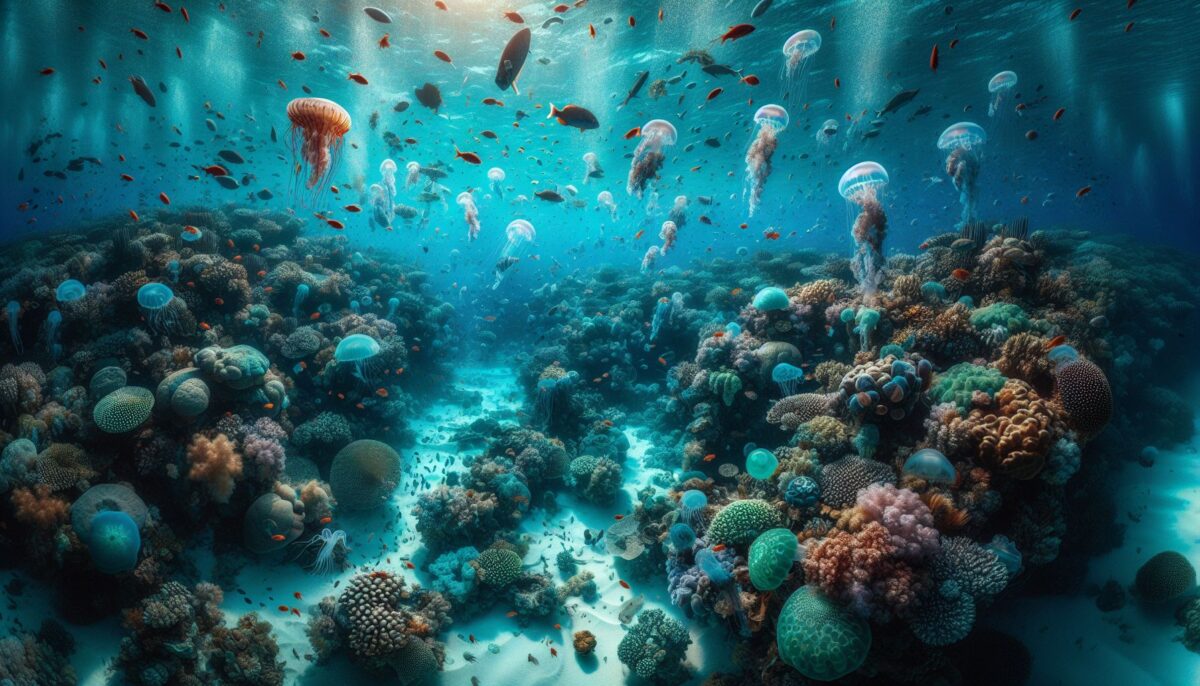
The ocean, covering more than 70% of the Earth’s surface, is home to an astonishing array of life. Marine biodiversity, the variety of species that inhabit the sea, is vast and complex, supporting an intricate web of ecosystems. From the tiniest plankton to the colossal blue whale, every creature plays a crucial role in the marine environment. In this article, we delve into the significance of marine biodiversity, the factors threatening it, and the measures we can take to preserve the richness beneath the waves.
The Importance of Marine Biodiversity
Marine ecosystems are incredibly diverse, offering various habitats like coral reefs, kelp forests, deep-sea trenches, and mangrove forests. These ecosystems are not just important for the species that inhabit them; they provide essential services to humans, including:
- Food supply: The ocean is a significant source of food for billions of people worldwide. Fisheries rely on a diverse array of species to sustain their stocks.
- Medicine: Many marine organisms are used in medicines to treat diseases like cancer and Alzheimer’s.
- Tourism: Biodiverse marine areas attract tourists, supporting local economies.
- Carbon sequestration: Ocean plants and organisms absorb carbon dioxide from the atmosphere, helping to regulate the global climate.
Marine Life at Risk
Despite its importance, marine biodiversity faces numerous threats. Overfishing, habitat destruction, climate change, pollution, and ocean acidification are just a few challenges that marine life must contend with. The impacts of these threats are widespread, often leading to the loss of habitats, reductions in species populations, and a decline in ecosystem health.
Threats to Marine Biodiversity
Here’s a closer look at the main threats to marine biodiversity:
- Overfishing: Excessive and unsustainable fishing practices have led to the depletion of fish stocks, disrupting food chains and marine ecosystems.
- Habitat Destruction: Coastal development, destructive fishing practices like trawling, and coral mining destroy critical habitats.
- Climate Change: Rising sea temperatures cause coral bleaching, while ocean acidification affects the ability of species like shellfish and corals to build their shells and skeletons.
- Pollution: Chemicals, plastics, and other forms of pollution harm marine life and introduce toxins into the food chain, which can affect human health.
- Invasive Species: Species introduced to new environments can outcompete native species, leading to a loss of biodiversity.
- Ocean Acidification: The absorption of excess carbon dioxide by oceans results in a lower pH, negatively impacting shell-forming organisms and coral reefs.
Preserving the Underwater Wonderland
Conservation and sustainable management practices are essential to protect marine biodiversity. Marine Protected Areas (MPAs), where human activity is restricted, are critical in safeguarding important habitats and allowing ecosystems to recover and thrive. Additionally, sustainable fisheries management, habitat restoration efforts, and measures to reduce pollution and mitigate climate change are all part of the solution.
Marine Conservation Efforts
Efforts to conserve marine biodiversity are ongoing and varied, involving international cooperation as well as local initiatives. Some of these efforts include:
- International treaties: Agreements like the Convention on Biological Diversity aim to protect species and habitats globally.
- Research and monitoring: Scientists study marine ecosystems to understand better the complex relationships within them and the impact of human activities. The continuous monitoring of these ecosystems helps in making informed management decisions.
- Banning harmful practices: Some countries have banned destructive fishing practices, single-use plastics, and other activities that harm the marine environment.
Navigating the Future of the Oceans
The future of marine biodiversity depends on our actions today. Educating the public about the importance of the ocean and the challenges it faces is crucial in fostering a sense of stewardship. Encouraging sustainable consumer choices, promoting eco-friendly tourism, and supporting conservation organizations can all make a difference.
The Role of Technology in Conservation
Advancements in technology are also aiding in the preservation of marine biodiversity. Remote sensing, satellite tracking, and genetic testing are among the tools used to monitor protected areas, track animal migrations, and enforce fishing regulations. Innovations like artificial reefs and restoration projects can also help rehabilitate damaged ecosystems.
Sustainable Ocean Use: The Blue Economy
The concept of the blue economy emphasizes using ocean resources for economic growth, improved livelihoods, and jobs while preserving the health of marine and coastal ecosystems. Sustainable aquaculture, marine renewable energy, and eco-tourism are just a few examples of how the blue economy can work in harmony with the conservation of marine biodiversity.
Conclusion
Marine biodiversity is a treasure that we must diligently protect. The vast array of life beneath the waves is not only fascinating but also essential for the health of our planet and the well-being of all who inhabit it. Through concerted efforts to address the challenges, embrace sustainable practices, and educate future generations, we can ensure that the ocean’s symphony of life continues to flourish long into the future.
Sources
- “Convention on Biological Diversity.” United Nations. https://www.cbd.int/
- “Marine Biodiversity.” WWF. https://www.worldwildlife.org/initiatives/marine-biodiversity
- “Ocean and Law of the Sea.” United Nations. https://www.un.org/depts/los/index.htm
By understanding and championing the complex web of life that calls the ocean home, we can ensure that it remains a vibrant and productive force for generations to come.
