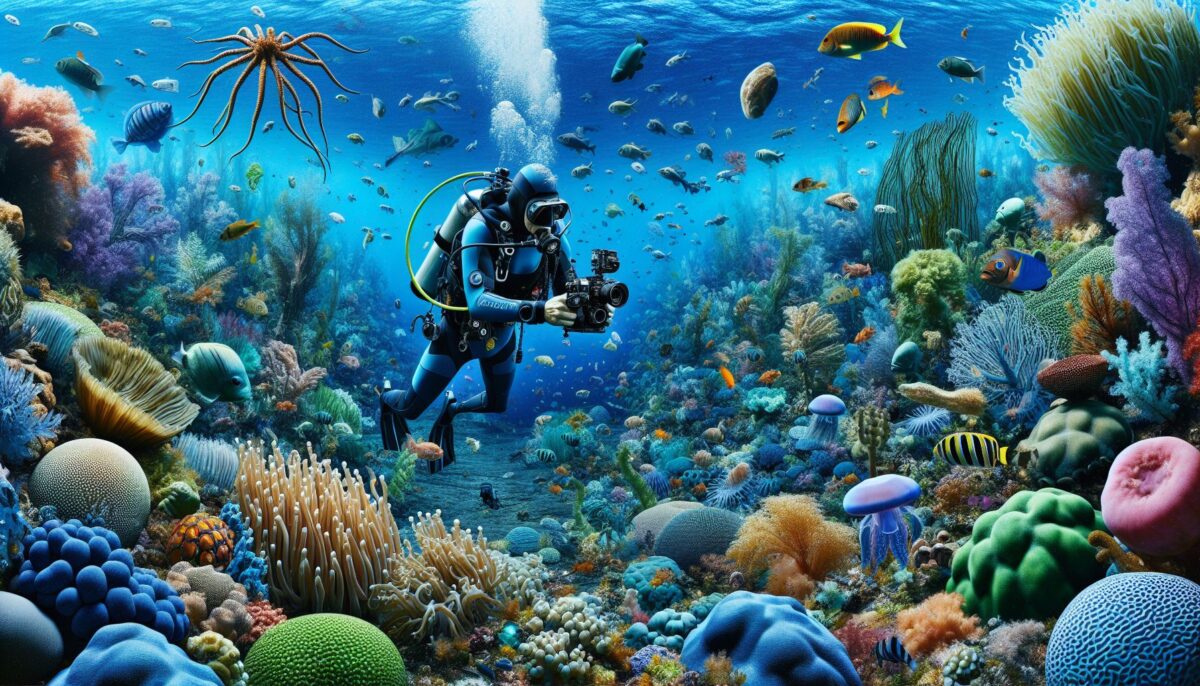
The ocean, a mysterious expanse covering over 70% of the Earth’s surface, is home to an astounding mosaic of life. Beneath the rolling waves and beyond the reach of the sun’s rays lies a complex world teeming with a diverse array of organisms. This rich diversity, known as marine biodiversity, is not just a marvel to behold but a crucial element of the planet’s health. In this article, we embark on a voyage to understand the significance of marine biodiversity, the threats it faces, and the measures we can take to preserve this underwater treasure trove.
Understanding Marine Biodiversity
Marine biodiversity encompasses all the different species of plants, animals, and microorganisms in the ocean, from the coasts and coral reefs to the deepest sea trenches. This includes a staggering range of habitats, such as mangroves, seagrass meadows, estuaries, coral reefs, the abyssal plain, and hydrothermal vents, each harboring unique lifeforms adapted to their respective environments.
The Richness of Life Underwater
The ocean’s biodiversity is immense, with scientists estimating that over a million species reside in the marine environment, with many more yet to be discovered[^1]. This includes microscopic plankton, familiar fish and marine mammals, and lesser-known creatures like the bioluminescent denizens of the deep sea.
Ecosystem Services: The Ocean’s Offering
Marine biodiversity is responsible for numerous ecosystem services that are vital to human survival. These include providing food in the form of fisheries and aquaculture, regulating the climate by sequestering carbon dioxide, and maintaining water quality through natural filtering processes.
Threats to Marine Biodiversity
Despite its resilience, marine biodiversity faces significant threats from human activities. Key among these threats are overfishing, habitat destruction, pollution, climate change and ocean acidification, invasive species, and unsustainable coastal development.
Overfishing: Stripping the Seas
Worldwide, fishing industries have grown exponentially, with many employing practices that are unsustainable. Overfishing leads to the depletion of fish stocks, disrupts food webs, and can cause the collapse of entire ecosystems[^2].
Habitat Destruction: The Disappearing Act
Coastal and oceanic habitats are being destroyed at an alarming rate. Coral reefs are being bleached due to rising water temperatures, seagrass meadows are being smothered by sedimentation, and mangroves are being cleared for development.
Pollution: The Toxic Tide
Marine pollution takes many forms, from oil spills and chemical discharges to the pervasive issue of marine debris—plastics and other materials that end up in the ocean, harming wildlife and ecosystems[^3].
Climate Change and Ocean Acidification: Twin Perils
Climate change is causing ocean temperatures to rise and sea levels to increase, which leads to coral bleaching and the alteration of species distributions. Ocean acidification, a result of increased carbon dioxide absorption, impacts organisms with calcium carbonate shells or skeletons, threatening the entire food web.
Invasive Species: Uninvited Guests
Invasive species, often introduced through ship ballast water or attached to hulls, can outcompete native species for resources, alter habitats, and introduce diseases.
Conservation Efforts: Safeguarding Our Seas
In the face of these threats, a variety of conservation measures are being implemented to protect and restore marine biodiversity.
Marine Protected Areas (MPAs)
MPAs are regions of the ocean where human activities are more regulated than in surrounding waters, designed to conserve marine ecosystems. These protected areas can help to replenish overfished populations and allow habitats to recover.
Sustainable Fishing: Ensuring a Future Catch
Sustainable fishing practices, such as setting catch limits and using selective gear to minimize bycatch, help to ensure that fish stocks and their habitats remain healthy for future generations.
Pollution Control: Stemming the Toxic Flow
Efforts to control pollution range from reducing plastic use and improving waste management on land to enforcing regulations on the discharge of contaminants from ships and coastal facilities.
Tackling Climate Change: A Global Effort
Combating climate change requires global cooperation to reduce greenhouse gas emissions, primarily through transitioning to renewable energy sources and implementing energy efficiency measures.
Public Awareness: Spreading the Word
Raising public awareness about the importance of marine biodiversity and the threats it faces can lead to greater support for conservation efforts. Education and outreach are essential tools in cultivating a society that values and protects the ocean.
The Role of Science and Research
Understanding marine biodiversity and its importance necessitates scientific research and monitoring. Studies in marine biology, ecology, genetics, and oceanography help us to uncover the complexities of marine ecosystems and devise more effective conservation strategies.
Oceanography: Mapping the Unknown
Oceanography, the study of the physical and biological aspects of the ocean, provides critical insights into how marine ecosystems function and how they react to changes in their environment.
Marine Biotechnology: Innovations from the Sea
Advances in biotechnology make it possible to explore the ocean’s biodiversity for new pharmaceuticals, biofuels, and other products, underscoring the economic as well as ecological value of marine life.
The Blue Economy: Harnessing Ocean Resources Wisely
The concept of the blue economy encompasses the sustainable use of ocean resources for economic growth, improved livelihoods, and jobs while preserving the health of marine and coastal ecosystems. Marine biodiversity is a cornerstone of the blue economy, underpinning sectors like tourism, fisheries, and biotechnology.
The Future of Marine Biodiversity
The future of marine biodiversity hinges on our ability to strike a balance between using ocean resources and maintaining the health of marine ecosystems. Ensuring the ocean’s ecological integrity will allow us to continue benefitting from its bounty while safeguarding its vitality for generations to come.
Conclusion
Marine biodiversity is a crucial component of our planet’s health and our own well-being. Through concerted efforts in conservation, sustainable management, and scientific research, we can work to protect the ocean’s vast array of life and the countless benefits it provides us.
As we appreciate the beauty and complexity of marine life, let us also remember our responsibility to act as stewards of this extraordinary ecosystem. So next time you dip your toes in the ocean, remember that you’re at the edge of a world brimming with life, a world that requires our respect and protection to continue to thrive.
[^1]: Costello, M. J., et al. (2012). Global Biodiversity in the Ocean. Current Biology, 22(16).
[^2]: Pauly, D., & Zeller, D. (2016). Catch reconstructions reveal that global marine fisheries catches are higher than reported and declining. Nature Communications, 7, 10244.
[^3]: Jambeck, J. R., et al. (2015). Plastic waste inputs from land into the ocean. Science, 347(6223), 768-771.
