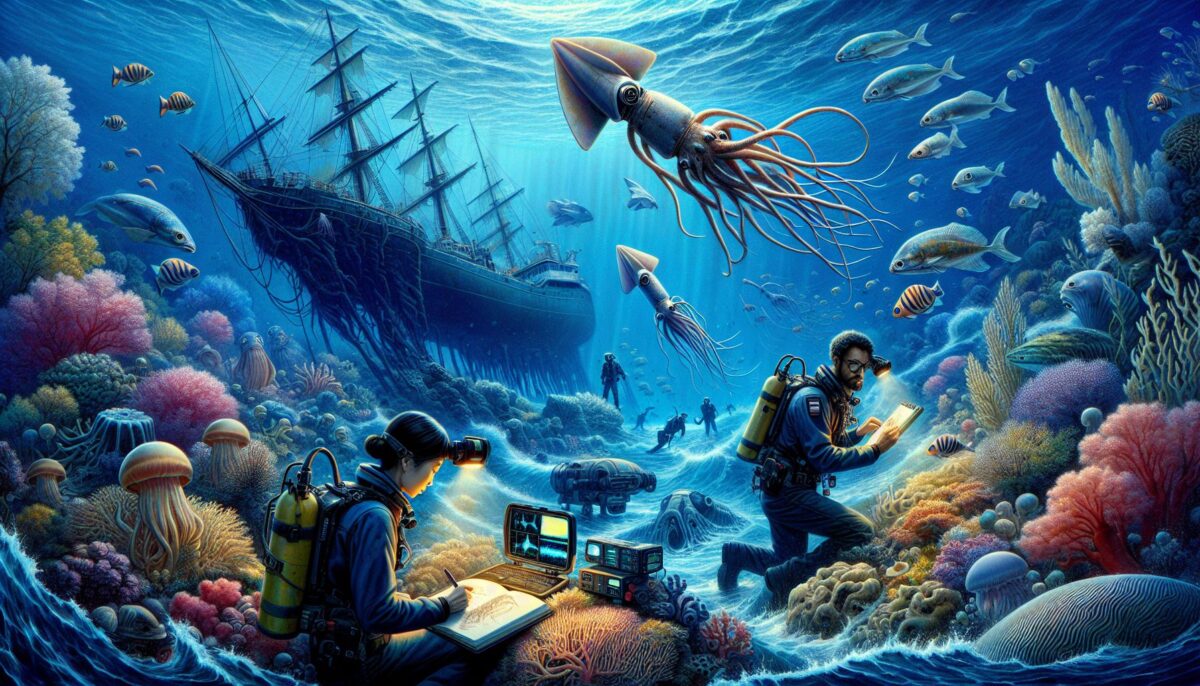
The Earth’s oceans, covering more than 70% of our planet’s surface, are vast and enchanting realms that have captivated humankind throughout history. The study of oceans, known as oceanography, is a multi-disciplinary field that combines aspects of biology, chemistry, physics, and geology to explore the mysteries hidden beneath the waves. This article dives deep into the science of oceanography, discussing its significance, the methods used to study the ocean, the discoveries it has led to, and the challenges and opportunities it presents to mankind.
The Importance of Oceanography
Oceanography is not just about exploring the unknown; it plays a critical role in understanding our planet. Here are some ways in which oceanography is vital to our existence:
-
Climate Regulation: Oceans are a major component of Earth’s climate system. They store and transport heat around the globe through currents and have a significant impact on weather patterns and climate change.
-
Biodiversity: Marine life is incredibly diverse, ranging from microscopic plankton to the largest animals on the planet, the blue whales. Oceanography helps us understand the intricate ecosystems and the connections between different species in the marine environment.
-
Resources: The ocean is a source of natural resources such as fish, minerals, and energy. Sustainable management of these resources is essential to ensure their availability for future generations, and oceanography provides the necessary knowledge to achieve it.
-
Natural Hazards: Studying oceanographic data can provide early warnings for natural disasters like tsunamis, hurricanes, and storm surges, saving lives and property.
Tools of the Trade: How Scientists Study the Ocean
Oceanography employs a wide range of tools and technologies to explore the ocean:
-
Satellites: Provide surface data such as sea-level rise, surface temperature, and chlorophyll concentrations, which are indicators of marine life.
-
Research Vessels: Serve as mobile laboratories for scientists collecting data on water properties, marine life, and the seafloor.
-
Submersibles and ROVs (Remotely Operated Vehicles): Allow exploration of the deep sea, providing close-up views of the ocean floor and marine organisms.
-
Hydrographic Equipment: Includes sonar systems for mapping the bathymetry, or the topography of the ocean floor.
-
Sensors and Buoys: Collect data on water temperature, salinity, currents, and other physical properties vital for understanding ocean dynamics.
-
Oceanographic Models: Computer models simulate oceanic processes to predict future changes and patterns.
Discoveries and Insights from Oceanography
Throughout its history, oceanography has led to some groundbreaking discoveries:
-
Understanding Ocean Currents: The discovery of the global system of ocean currents, including the Gulf Stream and the Ocean Conveyor Belt, has been fundamental to our understanding of the planet’s climate system.
-
Plate Tectonics and Seafloor Spreading: Oceanography has been essential in understanding the movement of Earth’s tectonic plates and the process of seafloor spreading at mid-ocean ridges.
-
Marine Ecosystems: From vibrant coral reefs to the mysterious deep-sea hydrothermal vents, oceanography has revealed the complexity and beauty of marine ecosystems.
-
Extreme Life Forms: The study of extremophiles in the deep ocean has expanded our understanding of life and its possible existence beyond Earth.
The Challenges Facing Our Oceans
Despite its indispensable role, our oceans face several challenges:
-
Climate Change: Ocean acidification and warming lead to coral bleaching and altered marine ecosystems.
-
Overfishing: Unsustainable fishing practices threaten fish stocks and the health of marine biodiversity.
-
Pollution: From plastic debris to oil spills, pollution has a profound and often detrimental impact on oceanic life.
-
Habitat Destruction: Human activities such as coastal development and trawling destroy important marine habitats.
The Future of Oceanography and Human Involvement
Looking forward, oceanography will continue to be at the forefront of addressing the challenges our oceans face while also seizing opportunities:
-
Marine Protected Areas: Increasing the scale and number of these areas to preserve critical marine ecosystems.
-
Sustainable Resource Management: Balancing human needs with the health of marine ecosystems through sustainable fisheries and aquaculture.
-
Renewable Energy: Harnessing tidal and wave energy as alternative, sustainable energy sources.
-
Advancements in Technology: Developing new technologies for deeper, more comprehensive exploration of the oceans.
-
Public Education and Awareness: Fostering a public understanding of ocean science and the importance of our oceans through outreach and education.
Conclusion
The science of oceanography is more than just a field of study; it is a journey that constantly unveils surprises and solutions. By continuing to explore the depths of our oceans, we ensure a better understanding of our planet, which is critical for the survival of humanity and the countless species that call the ocean home.
Sources
- National Oceanic and Atmospheric Administration (NOAA) – https://www.noaa.gov
- Intergovernmental Oceanographic Commission of UNESCO – https://ioc.unesco.org
- World Ocean Review – https://worldoceanreview.com
Understanding the ocean is imperative to our future, and oceanography leads the way. Through continuous research, innovation, and global cooperation, we can strive for a healthy and sustainable ocean, preserving its majesty for posterity.
