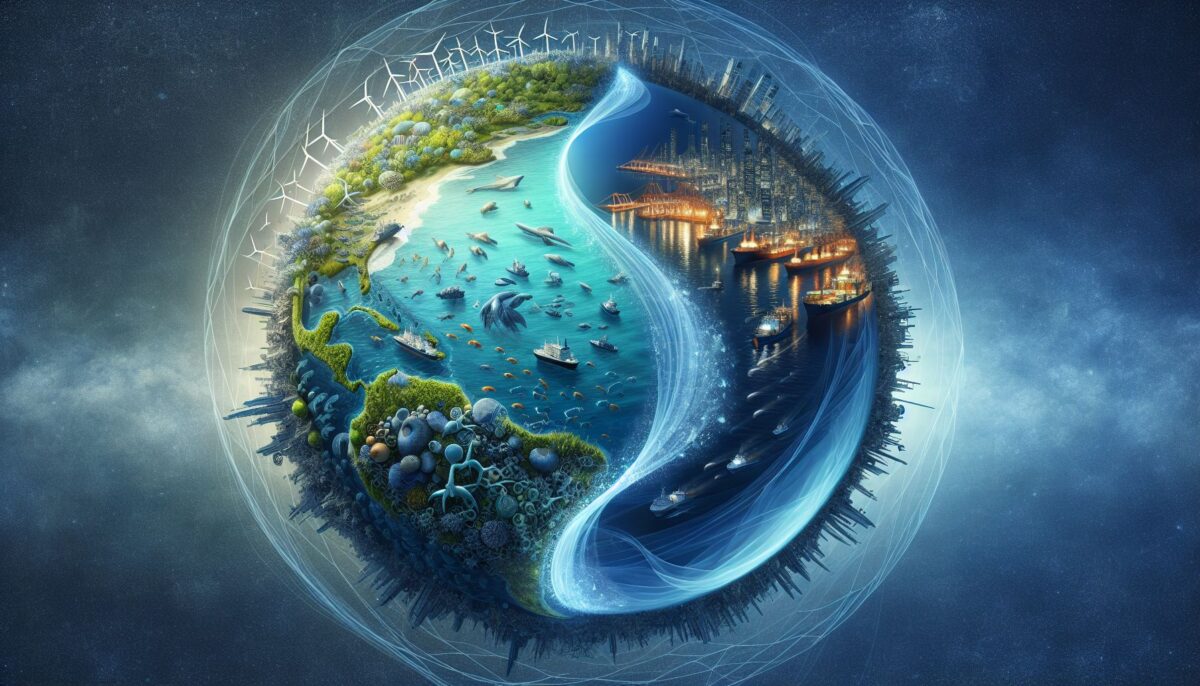
The blue of our planet, featured so prominently in the swathes of oceans and seas covering more than 70% of the Earth’s surface, is not just a symbol of the immense beauty and mystery that lies beneath the waves. It also represents a vast resource. Today, we stand on the brink of a paradigm shift, reimagining our relationship with these waters through an emerging concept known as the “blue economy.”
What is the Blue Economy?
The blue economy refers to the sustainable use of ocean resources for economic growth, improved livelihoods, and jobs while preserving the health of the ocean ecosystem. It encompasses various sectors, including sustainable fisheries, maritime trade, renewable energy, and tourism – all streamlined to enhance marine and human life while protecting the environment.
Sustainable Fisheries and Aquaculture
At the heart of the blue economy are sustainable fisheries and aquaculture. Over-fishing has long been a problem, depleting fish stocks and disrupting marine ecosystems. Sustainable fisheries aim to balance the needs of the world’s growing population with the need to preserve fish species and their habitats.
Aquaculture, or fish farming, can offer a solution by providing a controlled environment for fish production. However, these operations must be managed carefully to prevent pollution and the spread of diseases to wild fish populations.
Renewable Marine Energy
Renewable marine energy, such as tidal and wave energy, represents a significant pillar of the blue economy. By harnessing the power of the sea, these technologies offer a clean and virtually inexhaustible source of energy. Although still in early development stages, advancements in tidal energy and wave energy could revolutionize how we power our homes and industries.
Maritime Trade and Shipping
Maritime trade and shipping have always been economic backbones, connecting worldwide markets. As part of the blue economy, the focus now also includes not just the efficiency of these services but their environmental footprint. Cleaner fuels, better waste management, and more efficient logistical chains are all being developed to create a sustainable maritime trade ecosystem.
Coastal Tourism
Coastal tourism attracts millions of people to the shores for recreation and relaxation. The blue economy seeks to ensure that this economic driver isn’t at the expense of the ecosystems that make these destinations appealing. This involves the development of eco-tourism and conservation efforts to maintain the health of beachfronts and marine life, essential to the tourism industry’s longevity.
Marine Biotechnology
The pharmaceutical and cosmetic industries have turned to the sea, recognizing the potential of marine biotechnology. Organisms found in ocean depths often have unique properties and compounds that could lead to breakthroughs in medicine, beauty products, and even nutrition.
The Importance of Marine Biodiversity
Marine biodiversity is the foundation of a healthy and functioning blue economy. A diverse array of species contributes to robust ecosystems that support the myriad activities outlined above. Efforts to preserve and protect marine biodiversity, such as establishing marine protected areas, are not just good for the environment. They’re an investment in a sustainable economic future.
Challenges and Solutions in Embracing the Blue Economy
While the blue economy offers a pathway to sustainable development, challenges must be overcome.
Overexploitation of Resources
Overexploitation of marine resources remains one of the biggest issues. Illegal, unreported, and unregulated (IUU) fishing, for example, not only decimates fish populations but also undermines economies that rely on these resources. Solutions include stricter enforcement of fishing quotas, surveillance technologies, and promoting sustainable fishing practices.
Pollution
Marine pollution, from plastics to oil spills, poses a significant threat to ocean health. Addressing this requires international collaboration to reduce waste, improve response protocols for spills, and promote circular economy principles, where materials are reused and recycled, minimizing waste.
Climate Change and Ocean Acidification
The effects of climate change, such as ocean acidification, which compromises the ability of marine species to build shells and reef structures, threaten the foundation of the blue economy. Combating climate change through global emissions reduction and supporting research into the effects of acidification on marine ecosystems are necessary steps.
The Path Forward: Policy, Innovation, and Collaboration
Embracing the blue economy requires concerted effort from governments, businesses, scientists, and communities.
Policy Development
Policies that promote sustainable practices and protect marine environments are central to the blue economy model. This might include creating marine protected areas, incentivizing green shipping technologies, and enforcing sustainable fishing regulations.
Innovation
Innovation in technology and practices is driving the blue economy forward. From advanced aquaculture techniques to renewable energy technologies, innovative solutions are key to sustainable ocean-based development.
International Collaboration
The oceans do not belong to a single nation; they are global commons. As such, international collaboration is paramount. Agreements on fishing rights, pollution control, and marine protection help ensure that the blue economy benefits all.
Conclusion: The Future is Blue
The blue economy stands as one of the critical developmental and environmental strategies of the 21st century – a beacon of hope for both economic development and environmental sustainability. However, its success depends on an amalgam of responsible stewardship, imaginative policymaking, and collaborative spirit that transcends borders.
As we navigate the currents of economic and ecological change, we must recognize the intricate connection between the prosperity of our marine environments and the future of our global economy. In caring for the blue, we secure a lifeline for generations to come.
Sources
-
The World Bank. (2017). What is the Blue Economy? Retrieved from https://www.worldbank.org/en/news/infographic/2017/06/06/blue-economy
-
Organisation for Economic Co-operation and Development (OECD). (2016). The Ocean Economy in 2030. Retrieved from https://www.oecd.org/ocean/oceaneconomy.htm
-
United Nations Conference on Trade and Development (UNCTAD). (2014). The Potential of the Blue Economy. Retrieved from https://unctad.org/system/files/official-document/dtlstict2014d8_en.pdf
