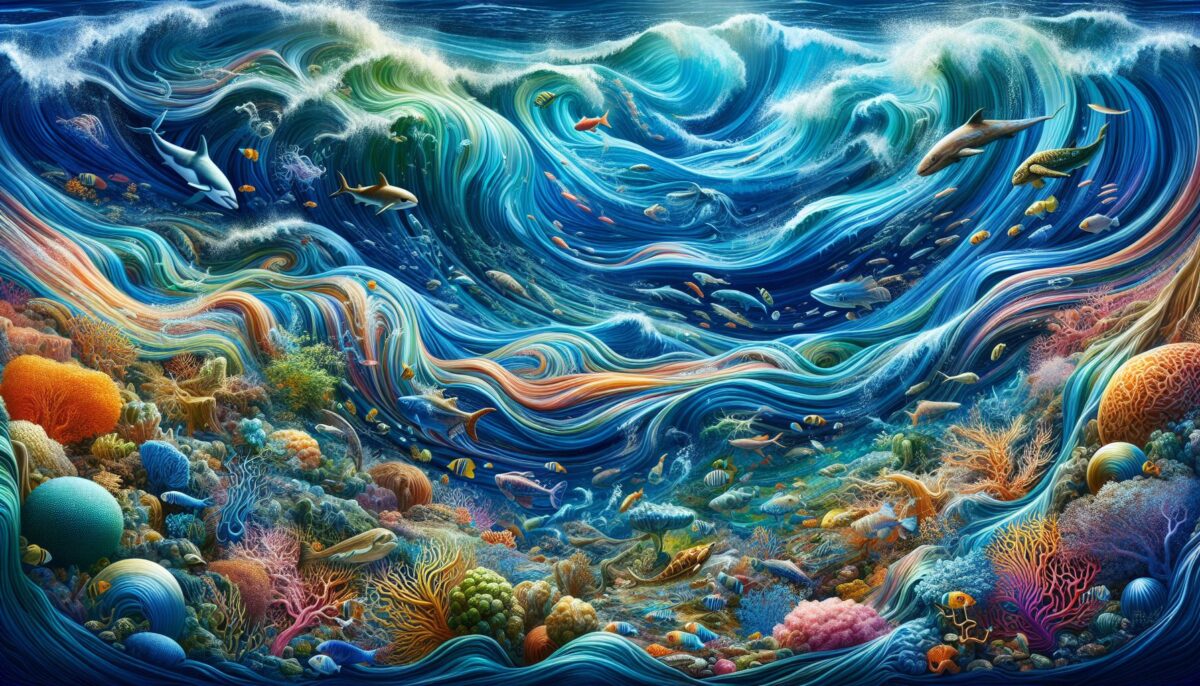
The ocean, that vast expanse of saltwater covering approximately 71% of our planet, is an entity filled with wonders and mysteries yet to be fully understood by humankind. Amongst its many fascinating aspects are the currents—those continuous, directed movements of seawater generated by various factors such as wind, temperature, salt concentration, and the rotation of the Earth. Ocean currents play a crucial role in regulating the Earth’s climate, distributing nutrients, and supporting marine life. This article will delve into the dynamic world of ocean currents, exploring their nature, causes, types, and the vital part they play in the environment and human life.
What Are Ocean Currents?
Ocean currents are like rivers within the sea, moving vast amounts of water across the planet’s surface and depths. They can flow for thousands of kilometers and reach depths of several thousand meters. These currents can be broadly categorized into two types:
- Surface Currents: Comprising about 10% of the water in the ocean, these currents are found in the upper 400 meters and are primarily driven by the wind.
- Deep Water Currents: Making up the other 90%, these currents are driven by differences in water density, which is affected by temperature (thermo) and salinity (haline), hence the term thermohaline circulation.
Causes and Effects of Ocean Currents
Ocean currents are generated by a complex interplay of factors, and understanding them is crucial for comprehending how they affect marine and global systems.
Wind
Wind plays a significant role in the creation of surface currents. The Earth’s rotation and the Coriolis effect cause winds to blow in particular patterns, such as trade winds, westerlies, and polar easterlies, which in turn drag the water with them, creating currents.
Earth’s Rotation
The Coriolis effect, resulting from the Earth’s rotation, influences the direction of currents, causing them to veer to the right in the northern hemisphere and to the left in the southern hemisphere.
Water Density Differences
Differences in water density, due to variations in temperature and salinity (salt content), create a vertical movement of currents. Cold, salty water is denser and sinks, while warm, less salty water is lighter and rises—this initiates a global conveyer belt-like flow known as thermohaline circulation.
Gravitational Pull
The gravitational pull from the moon and the sun on the Earth’s waters contributes to the tides, which, in turn, generate tidal currents.
Shape of Ocean Basins
The underwater topography or bathymetry, including features like continental shelves, slopes, and ocean basins, directs the path of ocean currents.
Major Ocean Currents
Several major currents act as the ocean’s arteries and veins, transporting heat, nutrients, and salt around the globe:
- The Gulf Stream: One of the strongest known currents, it transports warm water from the Gulf of Mexico along the eastern coastlines of the United States and across the Atlantic to Western Europe.
- The Kuroshio Current: Similarly, this current flows from off the coast of Japan into the North Pacific.
- The Antarctic Circumpolar Current: An important current that flows from west to east around Antarctica, connecting the Atlantic, Pacific, and Indian Oceans.
- The North Atlantic Deep Water Current: This deep-water current is a key component of the global conveyer belt, carrying cold dense water from the Arctic into the North Atlantic.
Impact on Climate and Weather
Ocean currents are vital in moderating the world’s climate by redistributing heat. Warm currents like the Gulf Stream transport heat from the equator toward the poles, while cold currents help cool tropical latitudes.
Ecological Significance
The movement of currents affects the distribution of nutrients and marine life. Upwelling, a process where deep, nutrient-rich water is brought to the surface, supports high levels of productivity and is fundamental to marine ecosystems.
Human Activities and Ocean Currents
Maritime Navigation
Historically, sailors have used knowledge of currents to navigate the seas—an understanding that continues to inform modern shipping and navigation practices.
Fishing and Aquaculture
Ocean currents significantly impact fisheries and aquaculture by influencing the abundance and distribution of fish stocks. Currents can carry larvae and juvenile fish to different regions, affecting fish populations and the industry reliant on them.
Energy Production
Innovative technologies aim to harness the kinetic energy from tidal and ocean currents to generate renewable energy. Tidal energy and wave energy projects are being developed as sustainable alternatives to fossil fuels.
Environmental Concerns
Ocean currents can also spread pollutants, such as oil spills and marine debris, across vast distances, affecting marine life and coastal ecosystems far from the original source of pollution.
The Threat of Climate Change
Climate change is poised to disrupt the delicate balance of ocean currents. Melting polar ice alters the balance of fresh and saltwater, potentially impacting the global thermohaline circulation, with ramifications for the global climate.
Conclusion
Ocean currents are essential to life on Earth, influencing weather patterns, supporting rich marine ecosystems, and shaping human activities. As we continue to explore and understand these enigmatic forces of nature, our appreciation of their significance grows, as does our responsibility to protect the delicate marine environment they support.
It’s imperative to maintain the health of our ocean currents, not just for the sake of marine life but for the welfare of the entire planet. With increased research and vigilance, we can ensure that these mighty rivers within the sea continue to flow freely, playing their part in the intricate symphony of global environmental processes.
Sources
For further information, here are a few sources that delve deeper into ocean currents:
- National Geographic: “Ocean Currents“
- National Ocean Service (NOAA): “What are ocean currents?“
- Ocean Motion: “Defining Oceanic Currents“
