Archives (page 3 of 31)

The Blue Economy: Unveiling the Potential of Our Oceans

Oceans cover more than 70% of the Earth’s surface and are a vital component of life on our planet. They not only serve as a means for transportation and trade but also are a critical source of food, energy, medicine, and leisure for billions of people worldwide. Within the vast scope of ocean-related activities, there’s a concept that has been gaining momentum: the Blue Economy. At its core, the Blue Economy encompasses sustainable use of ocean resources for economic growth, improved livelihoods, and jobs while preserving the health of ocean ecosystems.

What is the Blue Economy?

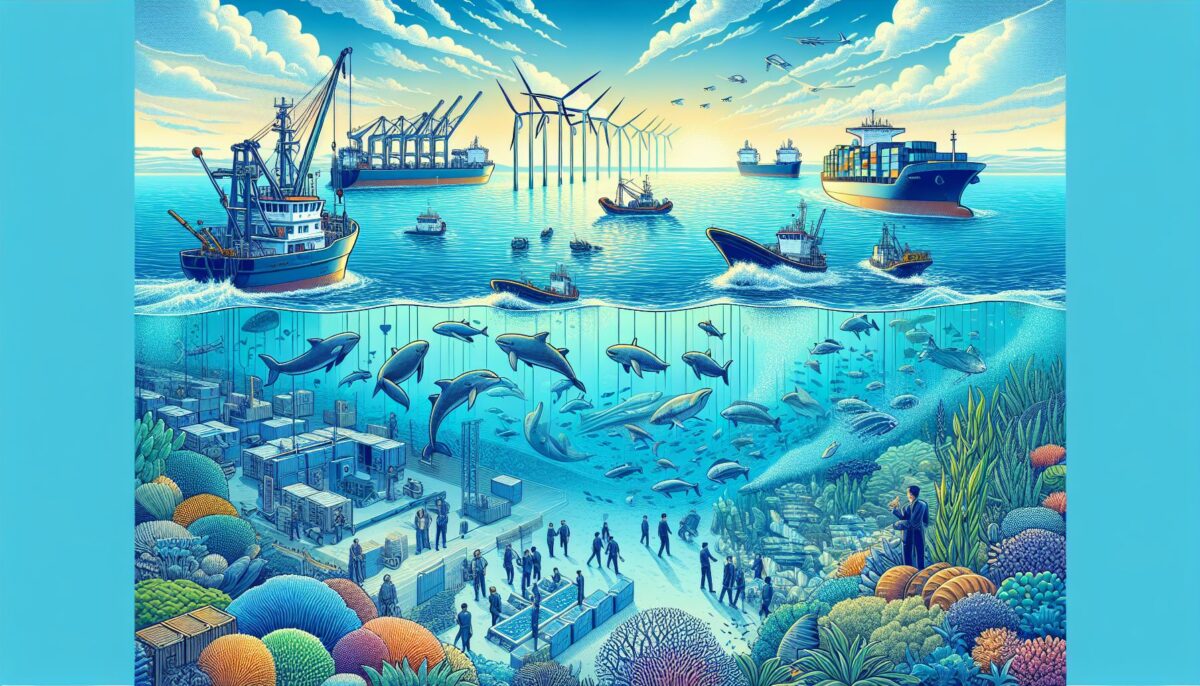
The term “Blue Economy” was first introduced during the Rio+20 United Nations Conference on Sustainable Development in 2012. It highlights the potential of seas and oceans in contributing to economic development, particularly for small island developing states and coastal least developed countries, without compromising maritime health. But what exactly falls under the scope of the Blue Economy? It encompasses various sectors including:

  • Sustainable fisheries and aquaculture
  • Shipping and port facilities
  • Coastal and marine tourism
  • Renewable energy (tidal and wave power)
  • Underwater mining and bioprospecting
  • Coastal resilience and protection infrastructure

Each of these sectors holds the promise of not only providing sustenance and occupation but also of fueling innovation, moving us closer to a more sustainable and equitable global economy.

Sustainable Fisheries and Aquaculture

Fisheries are a fundamental component of the Blue Economy. Yet, the Food and Agriculture Organization (FAO) has reported that over 34% of global fish stocks are overfished. The sustainable management of fisheries is imperative to preserve fish stocks, protect biodiversity, and ensure a consistent supply of seafood—a primary protein source for billions.

Aquaculture, or fish farming, is on the rise to meet global demand for seafood while taking pressure off wild fish stocks. However, it needs to be managed without causing further harm to marine environments. Innovations in aquaculture, including offshore and multi-trophic systems, offer promising avenues for increasing fish production sustainably.

Maritime Transport

Maritime transport is the backbone of globalization and international trade, with over 90% of the world’s trade being carried by sea, according to the International Maritime Organization (IMO). Efficient shipping and advanced port facilities are central to the Blue Economy. However, they must adapt to be more environmentally friendly and efficient, reducing emissions and waste, implementing ballast water management, and maintaining the integrity of coastal ecosystems.

Tourism: A Pillar of the Blue Economy

Coastal and marine tourism is one of the fastest-growing areas of the global leisure industry and can significantly contribute to the wealth of nations if it’s managed sustainably. It includes beach-based recreation, snorkeling, scuba diving, wildlife watching, and cruising. These activities must be regulated to ensure they do not damage sensitive ecosystems such as coral reefs or lead to overdevelopment along coastlines.

The Renewable Energy Sector

Oceans hold great potential for renewable energy generation—one of the most promising aspects of the Blue Economy. Tidal and wave energy technologies are being developed to capture the immense power of the seas. For example, tidal barrages and underwater turbines can generate electricity by harnessing the energy from tidal currents and waves.

Exploration and Mining

The seafloor is rich in minerals and resources like diamonds, gold, and rare earth elements. With advancing technology, deep-sea mining is becoming economically feasible. However, it poses significant environmental risks. Any move towards exploiting these resources must be accompanied by stringent regulations and sustainability frameworks to protect marine ecosystems from damage.

Protecting and Enhancing Coastal Resilience

Coastal erosion and sea-level rise are real threats that the Blue Economy must address. Green infrastructure—such as mangrove restoration, coral reef protection, and the creation of marine protected areas—are crucial in bolstering coastal resilience. Investing in the protection and conservation of these natural barriers can mitigate the damage caused by storm surges and enhance the overall health of marine ecosystems.

The Challenges

Despite the potential, there are challenges to realising the full benefit of the Blue Economy. They include:

  • Environmental Sustainability: How to exploit ocean resources without causing irreparable damage?
  • Economic Inclusivity: Ensuring that the economic benefits are distributed equitably among all stakeholders, not just a handful of multinational corporations.
  • Governance and Regulation: Establishing international and local governance frameworks that can manage the complexities of maritime activities.

Conclusion

The safeguarding of the oceans through sustainable practices is not just an environmental imperative but is also an economic strategy that can pave the way to a resilient and prosperous future. As the Blue Economy continues to expand, it must integrate the lessons of the past, where unchecked exploitation led to degradation and loss, into building a sustainable and inclusive economic model that can weather the challenges of the future.

For those interested in learning more about the Blue Economy, the World Bank, the United Nations Development Programme (UNDP), and The Economist Intelligence Unit offer extensive resources and statistics on the economic potential of our oceans and how to tap into this potential responsibly.

Sources:

  1. World Bank – The Potential of the Blue Economy: Increasing Long-term Benefits of the Sustainable Use of Marine Resources for Small Island Developing States and Coastal Least Developed Countries. (Link)

  2. United Nations Development Programme (UNDP) – Sustainable Management of Oceans. (Link)

  3. The Economist Intelligence Unit – The Blue Economy: Growth, opportunity and a sustainable ocean economy. (Link)

Navigating the Future: The Impact and Promise of Tidal Energy

In the pursuit of finding sustainable and green energy sources, tidal energy emerges as a beacon of promise, harnessing the immense power of the oceans which cover more than 70% of our planet. This form of energy production is conceptually straightforward, yet technologically complex, tapping into the natural rise and fall of ocean tides to generate electricity. In this article, we will dive into the intricacies of tidal energy, exploring its potential, challenges, and impact on the future of renewable energy.

Understanding Tidal Power

Tides are the result of the gravitational forces exerted by the moon and the sun, coupled with the rotation of our planet. The reliability and predictability of the tides make them an ideal candidate for energy production. There are two primary types of tidal energy systems: tidal range and tidal stream.

Tidal range technology relies on the difference in water height, or the vertical distance, between high and low tides to drive turbines. This is typically achieved through the construction of tidal barriers or barrages across estuaries.

Tidal stream generators, on the other hand, harness the kinetic energy from flowing water caused by the rise and fall of the tides, similar to wind turbines under the water.

The Potential of Tidal Energy

The potential of tidal energy is vast. According to a report by the Ocean Energy Systems (OES), the global theoretical potential of tidal range and tidal stream energy is estimated to be between 1200 and 1600 TWh per year. To put that into perspective, 1 TWh can power around 85,000 homes for an entire year.

The advantages of tidal energy are numerous:

  1. Predictability: Tides are incredibly reliable and predictable, unlike other renewable sources such as wind or solar power. This allows power grids to plan for the exact amount of energy that will be produced.
  2. Environment-friendly: Tidal energy is a clean form of energy with zero emissions during operation, helping to reduce our dependence on fossil fuels.
  3. High Energy Density: Water is more than 800 times denser than air, which means that tidal turbines can generate significant amounts of power even at low speeds.

The Challenges of Harnessing Tidal Power

Despite its promise, tidal energy also faces several challenges:

  1. High Initial Costs: The construction of tidal power plants, especially tidal barrages, can be incredibly expensive and time-consuming.
  2. Environmental Concerns: The potential impact on marine life and ecosystems, including fish migration and sediment movement, needs careful consideration.
  3. Location-specific: Tidal energy generation is highly dependent on site selection, with only certain parts of the world having sufficiently high tidal ranges or stream velocities.
  4. Maintenance and Corrosion: Operating in saltwater environments poses significant maintenance challenges due to corrosion and biofouling.

Case Studies in Tidal Energy

The Sihwa Lake Tidal Power Station, South Korea

The Sihwa Lake Tidal Power Station in South Korea is the world’s largest tidal power installation, with a total power output capacity of 254 MW. It is a tidal barrage that also helps improve water quality by flushing out the lake with seawater, demonstrating the multifunctional benefits of tidal energy facilities.

The MeyGen Project, Scotland

The MeyGen project, located in the Pentland Firth off the coast of Scotland, is the world’s first large-scale tidal stream farm. It has been operational since 2016 and is expected to achieve an output of up to 398 MW upon completion, enough electricity to power roughly 175,000 homes.

The Future of Tidal Energy and Innovations

The future of tidal energy involves overcoming the initial hurdles to establish it as a cost-effective and environmentally sustainable energy source. Innovators and engineers are actively working to improve the technology. Some of the potential advancements include:

  • Floating Turbines: To reduce installation costs and impact on the environment, companies are developing floating tidal turbines that can be deployed in deeper waters.
  • Dynamic Tidal Power (DTP): This innovative concept involves creating long dams perpendicular to the coast without enclosing an area, potentially allowing countries with lower tidal ranges to exploit tidal energy.
  • Enhanced Materials: Using advanced materials to build turbines that are more resistant to corrosion and biofouling can significantly reduce maintenance costs.

Tidal Energy’s Role in the Blue Economy

The blue economy represents the sustainable use of ocean resources for economic growth, improved livelihoods, and jobs while preserving the health of ocean ecosystems. Tidal energy can play a crucial role in this by providing a stable and sustainable source of energy to coastal communities and industries.

Additionally, co-location with other blue economy activities, such as aquaculture or maritime trade, could optimize the use of ocean space and resources.

Conclusion

As our world seeks to balance the increasing demand for energy with the need to combat climate change, tidal energy stands out as a key player in the transition to renewable energy. While it may not yet be as widely implemented as solar or wind power, its potential coupled with innovation could see tidal energy become a major contributor to a cleaner and more sustainable future.

The oceans hold the key to our energy needs, and through careful planning, technological advancements, and environmental considerations, tidal energy can be an integral part of the solution. As research continues and projects like the Sihwa Lake station and MeyGen illustrate success, we can expect to see further investments and interest in the exploration of this powerful and predictable resource.

References

  • Ocean Energy Systems (OES), “An International Vision for Ocean Energy” (Version 2), 2020.
  • International Energy Agency (IEA), “Incentive Scheme for Sihwa Tidal Power Plant in South Korea.”
  • MeyGen Ltd., “The MeyGen Project: Delivering the World’s First Large-Scale Tidal Energy Farm”.

The exploration of tidal energy is not just about generating power; it echoes humanity’s innovative spirit and respect for the earth’s natural rhythms. It is a testament to our ingenuity and an inspiring chapter in the ongoing story of renewable energy.

Exploring the Mysteries of the Deep: The Intriguing World of Marine Biodiversity

The ocean, a vast and mysterious expanse, covers about 70 percent of our planet’s surface and holds 97 percent of Earth’s water. It is a world teeming with life, a world of extremes, from its serene beaches to the deepest trenches, where light does not penetrate. Marine biodiversity, the variety and richness of life forms that inhabit these waters, is not just a spectacle for divers and marine enthusiasts; it is a critical part of the planet’s life support system. In this article, we will delve into the intricate web of life beneath the waves, the importance of marine biodiversity, the threats it faces, and the efforts to protect it.

The Tapestry of Life in Our Oceans

Marine biodiversity encompasses all levels of life, from the tiniest plankton to the largest whales. This biodiversity ensures the health and resilience of the ocean ecosystem. The variety of life forms work together to balance the ocean’s complex food web and contribute to vital processes, such as oxygen production, carbon sequestration, and nutrient cycling.

Plankton: The Building Blocks

Plankton, both phytoplankton (plant-like) and zooplankton (animal-like), are the foundation of the marine food web. These microscopic organisms, adrift in the ocean’s currents, perform photosynthesis, contributing an estimated 50 percent of the world’s oxygen—more than all the terrestrial plants combined. They are also a primary food source for a multitude of marine species, from small fish to the largest whales.

Coral Reefs: The Rainforests of the Sea

Coral reefs are some of the most diverse ecosystems on earth, commonly referred to as the “rainforests of the sea.” They provide habitat and shelter to around 25 percent of marine species despite occupying less than 1 percent of the ocean floor. Coral reefs support an array of species, including fish, crustaceans, mollusks, sponges, and sea turtles, many of which are not found anywhere else in the world.

The Deep Sea: A Treasure Trove of Biodiversity

Beyond the sunlit waters and coral reefs, the deep sea harbors more mysterious and less understood forms of life. Unique creatures, like bioluminescent fish and invertebrates, have adapted to the crushing pressure, darkness, and cold of the ocean’s depth. Hydrothermal vents, which spew mineral-rich water, support entire communities of life, such as tube worms and crabs, in an environment devoid of sunlight.

The Significance of Marine Biodiversity

Marine biodiversity is not merely an intriguing biological wonder; it has immense economic, ecological, and medicinal significance.

Ecological Importance

The ecological balance of marine ecosystems is crucial for the health of the planet. For example, the ocean regulates the climate by absorbing carbon dioxide and heat. It is estimated that the ocean absorbs about one-third of the carbon dioxide emitted by human activities, reducing the impacts of climate change.

Economic Value

The “blue economy,” which includes fishing, aquaculture, shipping, and tourism, depends on the health and biodiversity of our oceans. Globally, the ocean economy is valued in trillions of dollars and supports millions of jobs. Fisheries and aquaculture alone provide a primary source of protein for billions of people.

Medicinal Potential

The ocean is a reservoir of unique organisms that have the potential to lead to groundbreaking medical advancements. Many marine species produce biochemical compounds for defense, which can be used to develop new medications. Already, marine organisms have contributed to medicines that treat cancer, pain, bacterial infections, and inflammation.

Threats to Marine Biodiversity

Despite its enormity and depth, the ocean is not immune to human-induced threats. Overfishing, habitat destruction, pollution, climate change, and ocean acidification are some of the most pressing issues.

Overfishing and Habitat Destruction

Overfishing has led to the depletion of many fish populations, threatening the balance of the marine food web. Habitat destruction, including damage to coral reefs and mangrove forests, further reduces biodiversity by destroying nurseries for many marine species.

Pollution and Plastic Debris

Marine pollution, from nutrients to plastic debris, wreaks havoc on marine life. Nutrient pollution, mainly from agricultural runoff, leads to dead zones—areas of ocean that lack enough oxygen to support most marine life. Plastic debris, meanwhile, entangles wildlife and is ingested by marine organisms, leading to injury and death.

Climate Change and Ocean Acidification

Climate change and ocean acidification, a result of increased carbon dioxide absorption, threaten marine ecosystems. Rising sea temperatures lead to coral bleaching, a phenomenon that weakens corals by causing them to expel their symbiotic algae. Ocean acidification affects the ability of organisms, such as shellfish and corals, to build their calcium carbonate-based shells and skeletons.

The Necessity of Protecting Marine Biodiversity

Recognizing the critical role that oceans play, efforts are underway globally to conserve and sustainably manage marine biodiversity.

Marine Protected Areas (MPAs)

MPAs are designated regions in oceans where human activity is restricted to protect ecosystems and biodiversity. These protected areas have proven successful in restoring fish stocks and preserving critical habitats.

Sustainable Fishing Practices

Sustainable fishing practices, such as catch limits and protected breeding seasons, are essential to prevent the collapse of fish populations. Traceability and consumer awareness can also aid in promoting sustainable seafood choices.

Combating Pollution

Tackling marine pollution requires global cooperation. Efforts include reducing nutrient runoff through better agricultural practices, improving waste management to prevent plastic pollution, and cleaning up existing debris from oceans and coasts.

Addressing Climate Change

To mitigate the effects of climate change on oceans, it is imperative to reduce greenhouse gas emissions. Protecting carbon sinks, like mangrove forests and seagrass meadows, and harnessing renewable marine energy sources can also contribute to climate change mitigation.

Conclusion

Marine biodiversity is a magnificent feature of our blue planet, one that is essential but also increasingly endangered. It is the collective responsibility of humanity to ensure that the lifeblood of our oceans continues to thrive. The actions needed to protect marine biodiversity are interconnected and require a committed and collaborative approach. Through better management, conservation, and awareness, we can preserve the ocean’s diversity for future generations and maintain its role as part of Earth’s life support system.

Sources

  • “Biodiversity.” National Ocean Service, NOAA, oceanservice.noaa.gov/facts/biodiversity.html.
  • “Marine Biodiversity.” WWF, World Wildlife Fund, www.worldwildlife.org/initiatives/marine-biodiversity.
  • “Oceans.” United Nations, www.un.org/en/our-oceans/oceans.shtml.

We are standing at a pivotal moment where our actions will decide the fate of marine biodiversity. Let us work toward a future where we live in harmony with our magnificent oceans, safeguarding not just the countless species that call it home, but also the future of humanity itself.

The Intriguing World of Marine Biodiversity: An Underwater Treasure Trove

The ocean covers more than 70% of Earth’s surface and is home to a vast array of life forms, playing a pivotal role in our planet’s biodiversity. Marine biodiversity encompasses all species of plants, animals, and microorganisms that inhabit the saltwater realms, from the shallowest coastal waters to the mysterious deep-sea trenches. The importance of understanding and preserving marine biodiversity cannot be overstated, as it contributes significantly to the health of our planet, provides resources for humans, and holds secrets to countless scientific mysteries.

What is Marine Biodiversity?

Marine biodiversity refers to the richness and variety of species and ecosystems in the ocean. It includes the genetic diversity within species, the diversity of species themselves, and the diversity of ecosystems and habitats. Remarkably, the ocean harbors life in every one of its corners, despite varying conditions such as temperature, pressure, and light availability.

Why is Marine Biodiversity Important?

Ecological Balance: Marine organisms play specific roles in ecosystems, contributing to the balance that enables the ocean to be an ideal habitat for life. From the smallest plankton to the largest whales, every creature is vital in maintaining the intricate web of life.

Economic Value: Marine biodiversity is directly linked to the ‘blue economy,’ with fisheries and aquaculture providing food for millions of people worldwide. The ocean is also important for shipping routes, tourism, and potentially holds countless untapped resources that could drive future economies.

Medicinal Discoveries: The unique conditions of the ocean lead to unique life forms, which in turn possess unique chemical compounds. Many of these have led to medical breakthroughs and hold the potential for more life-saving drugs.

Scientific Knowledge: Studying marine biodiversity helps scientists understand life on Earth, including how life began and how it adapts to extreme conditions. This knowledge can also inform us about climate change impacts.

The Rich Tapestry of Life: From Microscopic to Majestic

Microscopic Marvels: Plankton and Algae

At the base of the ocean’s food web are microscopic organisms like phytoplankton and zooplankton, which produce oxygen and support the entire marine food chain. Algae, ranging from microscopic forms to large seaweeds, also play a critical role in coastal ecosystems and are a primary food source for many marine animals.

Coral Reefs: The Rainforests of the Sea

Coral reefs are among the most diverse ecosystems in the world. They provide habitat, food, and breeding grounds for millions of species. Although they cover less than 1% of the ocean floor, they support an estimated 25% of all marine species.

The Deep Sea: Mysterious and Unexplored

The deep sea remains the least explored part of our planet, with new species regularly being discovered. Adaptations such as bioluminescence and special pressure-resistant body structures make the creatures of the deep sea some of the most intriguing to scientists.

Coastal and Pelagic Giants

Marine biodiversity also includes a variety of larger animals, such as fish, sea turtles, birds, marine mammals, and sharks. Pelagic species, which live in the open sea away from the coast, range from tiny sardines to the giant blue whale, the largest animal to have ever existed on Earth.

Threats to Marine Biodiversity

Sadly, marine biodiversity faces numerous threats that stem from human activities. Overfishing is depleting fish stocks faster than they can replenish. Habitat destruction, including damage to crucial breeding grounds like mangroves and seagrasses, is also a major threat.

Climate Change and Acidification

The ocean absorbs a considerable amount of the Earth’s excess heat and CO2, leading to higher water temperatures and ocean acidification. Coral bleaching and the breakdown of symbiotic relationships within ecosystems are just a couple of the catastrophic consequences.

Pollution and Marine Debris

Every year, millions of tons of plastic enter the ocean, harming wildlife and disrupting ecosystems. Other forms of pollution, such as oil spills and agricultural runoff, can be equally devastating, leading to hypoxic zones devoid of life and poison the food chain.

Conservation and Sustainable Use

Marine Protected Areas and Legislation

The establishment of Marine Protected Areas (MPAs) is crucial for conserving biodiversity. MPAs can help to ensure that ecosystems are preserved and can regenerate, leading to healthier fish stocks and more resilient ecosystems.

Sustainable Fishing and Aquaculture

Practices like setting catch limits, protecting breeding seasons, and developing sustainable aquaculture can mitigate the impact of fishing industries on the ocean, maintaining a balance between human need and ecological health.

Engaging the Global Community

Education and outreach are vital in promoting the importance of marine biodiversity and in inspiring change at both individual and policy levels. It is essential for society as a whole to understand the value of the ocean and to take steps to protect it.

Exploring the Depths: The Science of Marine Biodiversity

Oceanography, marine biology, and marine ecology are some of the scientific fields that are instrumental in understanding marine biodiversity. Researchers employ technologies like remotely operated vehicles (ROVs) and autonomous underwater vehicles (AUVs), alongside traditional dive expeditions, to study the ocean.

Advancements in Genomics and Biotechnology

Genomics and metagenomics have revolutionized our understanding of marine biodiversity, allowing scientists to study organisms that are difficult or impossible to observe directly. These technologies enable the identification and analysis of species by their genetic material, unraveling the complex relationships and adaptations found in marine life.

Citizen Science and Public Involvement

Increasingly, the public is encouraged to contribute to scientific research through programs like beach clean-ups, water quality monitoring, or reporting sightings of marine life. This not only provides valuable data but also fosters a deeper connection with the ocean.

The Path Ahead

To ensure a sustainable future, conservation efforts must be enhanced, and sustainable practices must be the norm, rather than the exception. It is a matter of both environmental responsibility and human survival to protect the rich variety of life that the ocean holds. The silent challenges faced beneath the waves require our immediate and undivided attention.

Sources:
1. National Oceanic and Atmospheric Administration (NOAA) – https://www.noaa.gov
2. United Nations Convention on Biological Diversity – https://www.cbd.int/marine/
3. World Wildlife Fund (WWF) – https://www.worldwildlife.org/initiatives/oceans

With the vastness and complexity of marine biodiversity, the importance of the ocean and its treasures cannot be more pronounced. It sustains economies, incubates biodiversity, and quietly maintains the ecological balance of our world. As stewards of this Earth, humans have an obligation to protect and cherish this underwater treasure trove, ensuring that marine biodiversity thrives for generations to come.

Discovering the Depths: The Vital Role of Oceanography in Understanding Our Seas

Imagine the vast expanse of the ocean – a rich tapestry of colors, a diverse array of marine life, and a deep chasm of mysteries waiting to be unraveled. Covering over 70% of the Earth’s surface, the ocean is essential to our planet’s health and to humanity’s survival. Yet, despite its significant role, much of the ocean remains a profound enigma. This is where the captivating field of oceanography steps in, casting light into the deep, shadowy waters of our world’s oceans.

The Complex Discipline of Oceanography

Oceanography is not a single discipline but a fusion of sciences, including biology, chemistry, geology, and physics, that collectively strive to demystify the ocean’s intricate systems. In this article, we dive into the crucial importance of oceanography and its multifaceted applications in the modern world.

Understanding the Dynamic Ocean

Oceans are not static; they are continually moving and changing, influenced by various factors such as tides, currents, and wind. These elements, in turn, determine the distribution of life, nutrients, and energy throughout the marine environment. Oceanographers employ a multitude of tools and technologies to measure and interpret these variables, from advanced satellites in space to autonomous underwater vehicles (AUVs) that traverse the ocean depths.

Marine Life and Biodiversity

One of the most enthralling aspects of oceanography is the study of marine life. Our oceans are home to an estimated 230,000 known species, and this number only scratches the surface, with potentially millions more unclassified or undiscovered. Oceanographers work tirelessly, not only to discover new species but also to understand the complex interactions within marine ecosystems. This knowledge is essential for conservation efforts and ensuring the sustainable use of ocean resources.

Charting the Seafloor and Beyond

Marine geology, a branch of oceanography, is concerned with the study of the seafloor and the geological processes that shape it. Researchers analyze the composition and topography of the ocean bed, which provides insights into the history of Earth’s geological activity – from the shifting of tectonic plates to the creation of underwater volcanoes.

By understanding the anatomy of the seafloor, scientists can make predictions about events like earthquakes and tsunamis, potentially saving countless lives by informing disaster preparedness strategies.

Climate Change and Oceanography

The study of oceanography is indispensable in the context of climate change. The ocean plays a vital role in regulating Earth’s climate by absorbing heat and carbon dioxide. Consequently, as our climate changes, so too does ocean chemistry and temperature, leading to phenomena like ocean acidification and warming waters.

These changes hold significant consequences for marine life and ecosystems. For example, coral bleaching, a direct result of warmer sea temperatures, threatens vast coral ecosystems, which serve as the backbone for many marine species. Oceanographers are at the forefront of researching these effects and devising strategies to mitigate the damage.

Addressing Marine Pollution

Another critical area of focus in oceanography is marine pollution, encompassing issues ranging from oil spills to the proliferation of plastics in the ocean. Scientists study how pollutants enter ocean systems and the ways they affect both marine environments and human health. Their findings are fundamental to shaping policies and clean-up efforts that aim to preserve oceanic health.

Sustainable Management and the Blue Economy

Strictly linked to the study of oceanography is the burgeoning concept of the ‘Blue Economy,’ which advocates for sustainable use of ocean resources for economic growth, improved livelihoods, and jobs while preserving the health of ocean ecosystems. Oceanographers provide the data necessary to strike this delicate balance, whether it’s by identifying renewable energy resources like tidal and wave energy, managing sustainable fisheries, or developing marine protected areas.

Navigating the Future

Oceanography does not only probe deep below the waves. It is also instrumental in safe maritime navigation and operational efficiency in maritime trade. Hydrographic surveys, for example, ensure that shipping routes are safe, and ports and harbors are appropriately maintained to accommodate global trade demands.

Applied Oceanography in Action

As oceanographic research progresses, its applications become increasingly diverse and sophisticated. Here are some current and potential real-world uses of oceanography:

  • Climate Research: By studying sea surface temperature and ocean currents, oceanographers contribute to more accurate climate models and weather forecasting.
  • Natural Disasters: With the help of seabed mapping and understanding of tides and waves, predictions of tsunamis and storm surges become more precise, enabling better disaster responses.
  • Marine Conservation: The designation of marine protected areas relies heavily on the thorough ecological assessments performed by oceanographers.
  • Renewable Energy: The mapping of ocean energy potentials, such as wave and tidal energy, opens doors to new, sustainable power sources.
  • Fisheries Management: Stock assessments and the study of fish habitats and life cycles inform sustainable fishing practices and regulation.
  • Pollution Control: Understanding the distribution and impact of pollutants determines the strategies for cleaning up oil spills and reducing plastic waste.

The Frontiers of Oceanographic Research

The frontiers of oceanographic research are constantly expanding. As technology advances, so too does our ability to explore deeper and more remote oceanic regions. We are now witnessing developments like deep-sea mining exploration, the detailed study of microplastics’ impact on the marine food web, and even advancements in bioprospecting—the search for pharmaceutical compounds from marine organisms.

Challenges Facing Oceanography

Despite its significance, oceanography faces several challenges, including funding constraints, the vast scale of the oceans, and the depths to which researchers must venture to glean new information. The remoteness and inaccessibility of many oceanic regions make comprehensive study difficult and often rely on international cooperation and shared resources.

Conclusion

Oceanography is not merely a scientific discipline; it is a vital lens through which we understand our living planet. It offers the opportunity to discover, to protect, and to wonder at the complexity and beauty of our ocean world.

By engaging with this field, we equip ourselves with the knowledge to face some of the greatest challenges of our time, from combating climate change to protecting marine biodiversity. As we continue to learn and explore, we secure not just the health of our oceans, but also our future on this blue planet.

Sources for Further Reading:

  1. National Oceanic and Atmospheric Administration (NOAA) – https://www.noaa.gov/
  2. Intergovernmental Oceanographic Commission of UNESCO – https://ioc.unesco.org/
  3. The Oceanography Society – https://tos.org/

Oceanography remains a critical pathway to discovery, connecting us more intimately with the vast, uncharted waters of our planet. Through sustained research and global cooperation, the as yet untold secrets of the ocean continue to unfold, guiding us toward a more knowledgeable and responsible stewardship of our aquatic world.

Understanding Ocean Currents: The Circulatory System of Our Seas

Introduction

The vast and seemingly boundless waters that cover more than 70% of our planet remain one of the greatest marvels of nature. The beauty, mystery, and sheer power of the ocean have captivated humanity for millennia. The lifeblood of this colossal expanse is its currents—ultra-marine highways that transport water, heat, salt, and nutrients around the globe. In this article, we delve deep into the world of ocean currents, their significance, the forces that drive them, and their influence on marine life and climate.

What Are Ocean Currents?

Ocean currents are continuous, directed movements of seawater generated by various forces acting upon the water, including wind, the Coriolis effect, variations in water density, and tides. These currents can be surface currents, existing near the ocean’s surface, or deep water currents, moving beneath the surface.

Types of Ocean Currents

  1. Surface Currents – These are driven primarily by wind and typically affect the top 10% of the ocean’s depth. They tend to be more direct and faster than deep water currents.
  2. Deep Water Currents – Also known as thermohaline currents, these are driven by differences in water density, due to variations in temperature (thermo) and salinity (haline), hence the name.

The Driving Forces Behind Ocean Currents

The Role of Wind

Wind creates currents through friction, as it blows across the ocean’s surface. The energy transmitted from the wind to the water sets it in motion. Surface currents follow the major wind belts of the planet, such as the trade winds in the tropics and the westerlies in the mid-latitudes.

The Coriolis Effect

Due to the Earth’s rotation, an apparent force called the Coriolis effect acts on ocean currents. This effect causes water to veer to the right in the Northern Hemisphere and to the left in the Southern Hemisphere, creating a twisting motion that impacts the direction of currents.

Density Differences

Temperature and salinity affect the density of seawater. Colder, saltier water is denser and tends to sink, while warmer, less salty water is less dense and rises. This interaction leads to the slow-moving deep water currents that play a crucial role in global circulation.

Tidal Forces

Tidal currents result from the gravitational pull of the moon and sun on the Earth’s oceans. As the positions of these celestial bodies change, they generate periodic and predictable movements of water known as tidal currents.

The Impact of Ocean Currents

Climate Regulation

Currents are like a global conveyor belt, transporting warm water from the equator towards the poles and colder water from the poles back to the tropics. This heat exchange helps regulate the global climate, making certain regions more habitable than they otherwise would be. For example, the Gulf Stream warms the North Atlantic, giving Northwestern Europe a milder climate.

Marine Life

Nutrient-rich cold currents bring essential nutrients from the deep to the surface, supporting vast marine ecosystems. Many marine species rely on currents for feeding, breeding, and migration. The Great Barrier Reef in Australia, for instance, benefits from nutrient-rich waters brought in by the East Australian Current.

Human Activities

Ocean currents are crucial for maritime navigation, trade, and fishing. Since ancient times, sailors have relied on currents to travel across the seas more efficiently. Today, understanding currents is also vital for the safety of marine transportation and for predicting the movement of marine pollution, such as oil spills.

Environmental Impact

Currents have a significant role in shaping weather patterns and, consequently, can also influence natural disasters. For example, changes in ocean currents have been associated with extreme weather events, such as hurricanes and El Niño episodes.

Ocean Current Examples

The Gulf Stream

The Gulf Stream is one of the strongest surface currents, flowing from the Gulf of Mexico along the eastern coastlines of the United States and toward western Europe.

The Antarctic Circumpolar Current

This is the only ocean current that circles the Earth completely and connects the Atlantic, Pacific, and Indian Oceans. It helps to regulate the global climate and is essential for the transfer of water and heat across ocean basins.

Challenges Related to Ocean Currents

Climate Change

The changing climate can significantly impact ocean currents. For example, melting polar ice can inject fresh water into the ocean, potentially disrupting the thermohaline circulation that plays a critical role in the global climate system.

Marine Pollution

Currents can transport pollutants over vast distances. Understanding water movement patterns is crucial for dealing with issues like plastic pollution, as it can help predict where debris is likely to accumulate, such as in the Great Pacific Garbage Patch.

Overfishing and Biodiversity

Changes in ocean currents can influence fish distributions, which in turn affects global fisheries. This can lead to overfishing in some areas and a reduction in marine biodiversity.

Conclusion

Ocean currents move vast amounts of water across the planet’s oceans, creating a dynamic and interconnected global system. They play an essential role in climate regulation, marine life sustenance, and human activities, while also presenting challenges and areas of concern, particularly in the context of a changing global environment.

Understanding these mighty rivers of the sea is essential for comprehending our planet’s climate system, protecting biodiversity, and for a sustainable future of maritime activities.

References

  1. National Oceanic and Atmospheric Administration (NOAA). “Ocean Currents,” https://oceanservice.noaa.gov/education/tutorial_currents/.
  2. National Geographic Society. “Ocean Current,” https://www.nationalgeographic.org/encyclopedia/ocean-current/.
  3. Intergovernmental Oceanographic Commission (IOC) of UNESCO. “Ocean Currents and Climate,” https://ioc-unesco.org/.

Ocean currents are integral to our understanding of the world’s oceans, their health, and their future. From climate to ecology, shipping to sustainability, the influence of these powerful flows weaves into the fabric of marine activity and environmental dynamics. As stewards of the planet’s life support systems, it is imperative that we deepen our knowledge and mitigate our impact on these complex, yet vulnerable, marine circulatory pathways.

Exploring the Intriguing Science of Tides: Forces, Phenomena, and Future Implications

The ocean is a vast and dynamic system, driven by a complex interplay of physical forces that govern the movement of its waters. Among these forces, tides stand out as a phenomenon of both timeless intrigue and cutting-edge scientific interest. This article delves into the world of tides, shedding light on their causes, the various types encountered across the globe, and their profound impact on human activities and marine ecosystems.

The Fundamental Forces Behind Tides

At the heart of tidal movement lie the gravitational pulls of the moon and the sun, coupled with the rotation of the Earth. While the sun’s mass is significantly larger than the moon’s, the latter is much closer to Earth, making its gravitational influence the dominant factor in creating tides (NOAA Tides & Currents).

Gravitational Pull and Centrifugal Force

The gravitational force of the moon pulls the Earth’s water towards it, creating a bulge in the ocean’s surface. On the side of the Earth farthest from the moon, another bulge occurs due to the centrifugal force produced by the Earth-moon system’s rotation around their common center of mass.

The Role of the Sun

While the sun plays a secondary role, its gravitational force can either amplify or diminish the tidal forces exerted by the moon. When the Earth, moon, and sun align during full and new moons, the result is “spring tides,” characterized by higher high tides and lower low tides. Conversely, during the first and last quarters of the moon, “neap tides” occur, presenting less extreme tidal variations.

The Diversity of Tidal Patterns Around the World

Tides manifest differently across the globe, leading to a classification system based on their patterns:

  • Semidiurnal Tides: These tides, featuring two high tides and two low tides each day, are common in the Atlantic Ocean.
  • Diurnal Tides: These tides, with one high and one low tide per day, are typical in areas like the Gulf of Mexico.
  • Mixed Tides: Exhibiting characteristics of both semidiurnal and diurnal tides, mixed tides are prevalent along the Pacific Coast of the United States.

Geographical variations, the shape of the coastline, and ocean floor topography all influence these tidal patterns, leading to a rich tapestry of tidal behaviors.

Tides and Human Activities

Navigation and Shipping

Tides are critical for navigation and shipping, dictating the depth of water available for vessels to transit. Ports and harbors must account for tidal fluctuations to ensure safe passage of ships, particularly in regions with large tidal ranges (Port of London Authority).

Renewable Energy

The power of tides is harnessed in tidal energy projects, where the kinetic energy of moving tidal waters is converted into electricity. Tidal barrages and underwater turbines are examples of technologies tapping into this clean and predictable energy source.

Aquaculture

Tidal movement also plays a pivotal role in aquaculture, facilitating the exchange of water in coastal fish and shellfish farms, which is essential for maintaining a healthy growing environment.

Environmental and Ecological Impacts

Interactions with Marine Life

Tides create unique habitats, such as intertidal zones, that are essential for various forms of marine life. These zones experience cyclical exposure to air and water, supporting species that have adapted to this changing environment. Moreover, tidal flows distribute nutrients and remove waste products, benefiting both marine organisms and the ecosystems they inhabit.

Coastal Erosion and Sedimentation

The constant ebb and flow of tides contribute to coastal erosion and sedimentation processes. These natural mechanisms shape coastlines and can impact human settlements and infrastructure over time.

Tides and Climate Change

Sea level rise, attributed to climate change, is altering tidal ranges and exacerbating coastal flooding during high tides, posing challenges for coastal communities (Intergovernmental Panel on Climate Change).

Future Research and Monitoring

Oceanography and marine science continue to investigate the complexities of tidal phenomena. Advances in satellite technology and ocean modeling are enhancing our understanding of tides and their interactions with other ocean processes. Continuous monitoring and research inform coastal management strategies, helping to mitigate risks associated with tides and sea level changes.

Conclusion

Tides are an elemental force that weaves into the fabric of Earth’s hydrosphere, influencing the rhythms of both human endeavors and marine ecosystems. As we look to the future, the continued study and appreciation of tides will remain a cornerstone in our quest to responsibly steward our planet’s magnificent oceans.

Title: The Blue Economy: Steering Towards Sustainable Maritime Prosperity

The concept of the “blue economy” has been gaining momentum as a critical factor in promoting sustainability, economic growth, and social inclusion, while simultaneously ensuring the health and productivity of our ocean and coastal environments. The blue economy encompasses a diverse array of sectors, including sustainable fisheries, maritime trade, renewable energy, tourism, and waste management, all aiming to harness the potential of the sea in an ecologically responsible manner.

The Foundations of the Blue Economy

The term “blue economy” was first introduced in 2010 during a conference on the green economy organized by the United Nations. It refers to the sustainable use of ocean resources for economic growth, improved livelihoods, and jobs while preserving the health of ocean ecosystems.

The Importance of Oceans

Oceans cover about 70% of the Earth’s surface and are central to human life. They regulate our climate, supply oxygen through widespread marine algae, provide a substantial portion of our food supply, offer opportunities for transport and trade, act as venues for recreation, and host vast reserves of natural resources.

Economic Contributions of the Ocean

The global ocean economy is valued at over $24 trillion, making it the seventh-largest economy if it were a country. This includes established sectors such as fisheries, shipping, and tourism, as well as emerging industries like offshore wind energy, aquaculture, and seabed extractives.

Key Sectors of the Blue Economy

  • Sustainable Fishing and Aquaculture: These sectors are integral to food security, livelihoods, and gastronomic culture. Proper management is essential to avoid overfishing and ensure that species can reproduce and maintain healthy population levels.

  • Maritime Shipping and Ports: Over 90% of the world’s goods are transported by sea. Efficient and green shipping reduces greenhouse gas emissions and pollution, crucial for a sustainable ocean economy.

  • Renewable Marine Energy: With the burgeoning interest in tidal and wave energy, the blue economy encompasses the potential for generating power through the strength of ocean currents and the consistent movement of tides and waves.

  • Coastal Tourism: Coastal and marine tourism is one of the largest segments of the global tourism industry, incorporating everything from beach vacations to ecotourism and marine wildlife watching.

Ecological Considerations

A core tenet of the blue economy is its pledge to environmental sustainability. This involves addressing challenges such as:

  • Marine Pollution: Single-use plastics, untreated wastewater, and other pollutants create significant threats to marine biodiversity and human health. Initiatives to reduce marine pollution are critical for sustaining ocean ecosystems.

  • Overfishing and Habitat Destruction: Irresponsible fishing practices and habitat destruction for coastal development harm the breeding grounds for marine life, reducing biodiversity and affecting fish stocks.

  • Climate Change Effects: Rising sea levels, ocean acidification, and coral bleaching are direct consequences of climate change, adversely affecting marine life and coastal economies.

  • Oil Spills and Marine Debris: Accidental oil spills and the accumulation of marine debris in our oceans cause severe long-term damage to marine habitats and organisms.

Policy Frameworks and International Cooperation

To implement a blue economy, governments, private sectors, and non-governmental organizations (NGOs) need to develop an integrative policy framework that encourages sustainable practices, international cooperation, and sound governance of ocean resources. Examples include the United Nations Sustainable Development Goal 14 (Life Below Water), and regional efforts like the European Union’s Blue Growth Strategy.

Best Practices in Blue Economy Implementation

  • Marine Spatial Planning (MSP): A method to organize the human activities in marine areas to reduce conflicts and promote sustainable use of marine resources.

  • Marine Protected Areas (MPAs): Designated regions where natural or cultural resources are given legal protection.

  • Fisheries Management: Use of science-based quotas and restrictions to ensure the growth and sustainability of fish stocks.

  • Eco-friendly Tourism: Practices that minimize the impact on the environment and prioritize conservation while also generating economic benefits.

Challenges and Opportunities

While the blue economy presents immense opportunities for growth and sustainability, there are challenges that necessitate careful planning and international collaboration, including equitable resource distribution, adapting to the technology required for renewable energy, and monitoring and enforcement against illegal activities.

Future Outlook

For the blue economy to thrive, there must be a commitment to innovation, cooperation, and conservation. Technology plays a critical role, such as advancements in satellite technology for better monitoring of the seas, and new materials to replace single-use plastics. Education and raising public awareness are also paramount to foster a deeper connection and responsibility towards our ocean environments.

Conclusion

The blue economy holds great promise for contributing to economic prosperity, environmental sustainability, and social well-being. Measures that protect and sustain the health of the ocean will be instrumental in realizing these benefits. The future will depend on how well we balance our economic aspirations with the imperative of maintaining the integrity of marine ecosystems.

To delve deeper into the concept of the blue economy and the intricacies of maritime industries, resources like the World Wildlife Fund’s “Principles for a Sustainable Blue Economy” (1), the UN’s Sustainable Development Goals (2), and the European Commission’s pages on Blue Growth (3) offer extensive information and research.

Sources:

  1. World Wildlife Fund. (2015). Principles for a Sustainable Blue Economy. https://www.worldwildlife.org/publications/principles-for-a-sustainable-blue-economy
  2. United Nations. (2021). The Sustainable Development Goals Report 2020. https://unstats.un.org/sdgs/report/2020/
  3. European Commission. (n.d.). Blue Growth. https://ec.europa.eu/maritimeaffairs/policy/blue_growth_en

Navigating the Balance: Marine Protected Areas and the Preservation of Marine Biodiversity

The oceans, encompassing more than 70% of the Earth’s surface, are realms of mystery and magnificence. They not only house an estimated 50-80% of all life on our planet but also play a central role in the world’s natural systems, such as climate regulation, nutrient cycles, and carbon storage. However, despite their vastness and depth, the oceans are not impervious to human impact. Marine biodiversity faces significant threats from various human activities. Marine protected areas (MPAs) represent a cornerstone strategy for the conservation and sustainable use of marine biodiversity. In this article, we will immerse ourselves in the wonders of marine life, explore the challenges it faces, and understand the pivotal role of MPAs in safeguarding our blue planet.

The Splendor of Marine Life

Marine life is beautifully diverse, ranging from the tiniest plankton to the largest whales. The intricate food webs and ecosystems established in the marine environment are both complex and delicate. Coral reefs, often referred to as the “rainforests of the sea,” support approximately 25% of all marine species, despite occupying less than 1% of the ocean floor. Yet, even the vast open oceans are brimming with life, characterized by the grand migrations of fish, marine mammals, and sea turtles across thousands of kilometers.

Challenges to Marine Biodiversity

Marine biodiversity faces numerous threats, many of which are exacerbated by human activities. Overfishing and destructive fishing practices have led to the decline of fish stocks and damage to the marine habitats. Climate change is another major factor, bringing about rising sea temperatures, ocean acidification, and coral bleaching. Pollution, including plastic debris and chemicals, further strains marine systems, causing harm to both marine life and human health. Marine habitats also face degradation and loss due to coastal development, aquaculture, and resource extraction.

Why Marine Protected Areas?

A Marine Protected Area is a space in the ocean where human activities are more strictly regulated than the surrounding waters – similar to parks we have on land. These areas are established to protect marine ecosystems, preserve cultural values, and ensure sustainable resource management. MPAs vary in size and can have multiple objectives, from strictly conserving habitats to allowing sustainable fishing practices.

The Benefits of MPAs

  1. Biodiversity Conservation: MPAs help conserve the diversity of marine species by offering them habitat sanctuaries where they can thrive undisturbed.
  2. Fisheries Management: By providing refuge for fish populations, MPAs can enhance fisheries outside their borders through the spillover effect, where adult fish migrate outside the MPA, thus supporting local fisheries.
  3. Resilience Against Climate Change: By protecting ecosystems, MPAs can build resilience in marine environments, allowing them to better withstand and recover from the impacts of climate change.
  4. Cultural and Recreational Value: These protected zones often host sites with cultural, historical, and recreational importance, including areas significant to Indigenous peoples and picturesque spots ideal for ecotourism.

Success Stories: The Impact of MPAs

The global network of MPAs showcases numerous success stories. One notable example is the Great Barrier Reef Marine Park in Australia. Established in 1975, this MPA covers an extensive range of biodiversity and has been pivotal in the conservation of species like the dugong and green sea turtle. Another success is the network of MPAs in the Mediterranean, which has been shown to greatly benefit fish populations and local economies.

Challenges in Implementing MPAs

While MPAs offer a powerful tool for conservation, there are significant challenges to their effectiveness. These include inadequate enforcement, lack of proper management, limited funding, and sometimes, the exclusion of local communities and stakeholders from the planning process. There is also the issue of “paper parks,” where MPAs exist only in legal documents, with little to no actual protection on the water.

The Future of MPAs and Marine Conservation

To enhance the impact of MPAs, several strategies must be considered:

  • Effective Management and Enforcement: This includes adequate funding and resources for monitoring and enforcing regulations.
  • Integrated Coastal and Ocean Management: MPAs should be part of larger management plans that include land-based activities affecting the ocean.
  • Community Engagement: Engaging local communities and stakeholders can lead to more effective and equitable management practices.
  • Scientific Research and Monitoring: Continuous research is needed to adapt MPA management effectively to changing conditions and new findings.
  • International Collaboration: Oceans have no borders; hence, international cooperation is essential for addressing transboundary issues and establishing large-scale MPAs in international waters.

Sources and Further Reading

  1. Marine Conservation Institute, “What is a marine protected area?” (https://marine-conservation.org/what-we-do/program-areas/mpas/what-is-an-mpa/)
  2. United Nations, “Marine Protected Areas and Sustainable Fisheries” (https://sustainabledevelopment.un.org/content/documents/14589Policy_Brief_on_MPAs_and_fisheries.pdf)
  3. World Wildlife Fund, “Marine Protected Areas” (https://www.worldwildlife.org/initiatives/marine-protected-areas)

The establishment of MPAs showcases our increasing awareness of the need to preserve marine life for future generations. By managing our interactions with the marine environment more responsibly and creating refuges where nature can operate undisturbed, MPAs represent a beacon of hope for ocean conservation. Their effective implementation is a collaborative effort that requires the support of governments, local communities, scientists, and international bodies. Only by working together can we ensure that the boundless seas, with their wondrous inhabitants, continue to thrive in all their splendor, sustaining life both in the water and on land.

The Delicate Dance of Coral Ecosystems: Biodiversity, Threats, and Conservation Efforts

Coral ecosystems are among the most vibrant and diverse environments on our planet. Functioning as underwater cities teeming with life, corals are not just individual entities but complex colonies that form relationships with a variety of marine organisms. These ecosystems offer a spectacular array of colors, shapes, and forms, and play a crucial role in marine biodiversity. This article ventures into the depths of coral ecosystems, highlights the biodiversity they support, discusses the considerable threats they face—including coral bleaching and ocean acidification—and the global efforts to conserve these natural treasures.

The Biology and Significance of Coral Ecosystems

Corals, belonging to the phylum Cnidaria, are marine invertebrates that have a unique symbiotic association with a type of algae known as zooxanthellae. These algae reside within the corals’ tissues, providing them with essential nutrients via photosynthesis, which in turn help in coral growth and formation of the calcium carbonate skeletons that build coral reefs. These structures contribute significantly to marine biodiversity; it is estimated that while coral reefs cover less than 1% of the ocean floor, they support over 25% of all marine life (NOAA). The biodiversity housed in coral ecosystems is not just of ecological interest but is vital for human sustenance as well, providing food, tourism revenue, and coastal protection.

The Dazzling Inhabitants of Coral Ecosystems

Coral reefs are bustling with a wide variety of creatures, from the minuscule plankton to the majestic, albeit endangered, species of fish and marine mammals. The reef’s structure creates numerous niches that host an array of invertebrates, including shrimps, crabs, starfish, and sea urchins. The corals themselves come in two primary types: hard corals that contribute to reef building, and soft corals that sway with the ocean currents.
Fish species of every conceivable color and size dart among the coral branches, while larger predators like sharks patrol the outer edges of the reef. Vast schools of smaller fish, such as the brightly-colored parrotfish and clownfish, are a common sight. Furthermore, coral reefs are also important breeding and nursery grounds for many marine species.

The Threats Facing Coral Ecosystems

Despite their resilience and adaptability, coral ecosystems are confronting profound threats. Climate change stands at the forefront, responsible for the twin perils of rising sea temperatures and ocean acidification. Rising temperatures result in coral bleaching—a phenomenon where corals expel their symbiotic algae, losing color and vital energy sources—often leading to coral death. Ocean acidification, a consequence of increased CO2 absorption, reduces the availability of the carbonate ions needed by corals to maintain their calcium carbonate skeletons. In addition, factors such as overfishing, destructive fishing practices, coastal development, and marine pollution exacerbate the pressure on coral ecosystems.

Coral Bleaching: A Sign of Distress

Coral bleaching events have become more frequent and severe with recent mass bleaching events causing widespread concern among scientists and conservationists. For example, the 2016 Great Barrier Reef bleaching event affected approximately 93% of individual reefs and led to an unprecedented loss of corals (ARC Centre of Excellence for Coral Reef Studies).

The Affects of Ocean Acidification

Ocean acidification is altering the carbonate chemistry of seawater, which has direct consequences for coral calcification rates and the structural integrity of reef systems. Long-term predictions for ocean acidification suggest that many coral reefs may struggle to grow or even begin to dissolve in the coming decades, especially in areas with naturally low levels of carbonate ions (NOAA – PMEL Carbon Program).

Marine Pollution and Its Impact

Marine pollution adds to the existing stresses on coral ecosystems. Plastics, toxic waste, and agricultural runoff laden with pesticides and fertilizers find their way into the oceans, compromising the water quality and health of coral reefs. These pollutants can promote the growth of detrimental algae and pathogens, further challenging the delicate balance of coral ecosystems.

Conservation and Restoration Efforts

Despite the gloomy prognosis for coral reefs, numerous conservation efforts are underway. The establishment of marine protected areas (MPAs) has become a central strategy in coral conservation, aimed at preserving biodiversity and providing refuges for marine life. Efforts such as the removal of invasive species, controlled fishing practices, and the implementation of sustainable tourism practices have also been employed in areas around coral reefs.

Advanced techniques in coral reef restoration are also being employed, such as coral gardening and assisted evolution, where more resilient genotypes of corals are propagated. At the policy level, international agreements, including the Convention on Biological Diversity and the Paris Agreement under the UNFCCC, aim to mitigate climate change and safeguard coral ecosystems for the future.

The Road Ahead

The health and survival of coral ecosystems have far-reaching implications not only for marine life but also for humanity. Protecting these colorful worlds beneath the waves is not just an ecological necessity but an ethical responsibility. The dance of life that corals have sustained for millions of years must continue, not only for the sheer wonder they instill but for the intricate web of life they support, which includes us.

Coral ecosystems are a touchstone for the health of our oceans. By preserving corals, we defend the diversity of life and maintain the natural cycles that are vital to the well-being of our planet. It is critical that conservation efforts continue to evolve and expand, embracing innovative science and broad-based collaborations. United in our endeavors for a thriving planet, we can ensure that coral reefs—and the marvelous life they harbor—are sustained for generations to come.

In conclusion, corals are not merely ornamental features of the marine realm but are cornerstones of oceanic health and human economies. As apex ambassadors of ocean biodiversity, they remind us of the fragility of life and the interconnectedness of all living things. In the dance of survival, every step counts, and the step to protect and preserve coral ecosystems is one that we cannot afford to miss.