Archives (page 4 of 31)

The Intricate Dance of the Tides: Understanding the Forces that Shape Our Shorelines

The Earth is a dynamic system, where the interplay of wind, water, and land forms a symphony of natural rhythms—an intricate dance that’s been ongoing for eons. Among these natural phenomena, the movement of the tides stands out, affecting everything from the daily habits of marine creatures to the long-term shaping of coastlines. Tides are not just a curiosity for beachgoers and fishermen; they are a fundamental aspect of the Earth’s hydrosphere, influencing marine life, shipping routes, and coastal communities. In this deep dive, we will explore the science behind tidal movements, their ecological impacts, and their significance to human civilization.

The Basics of Tides

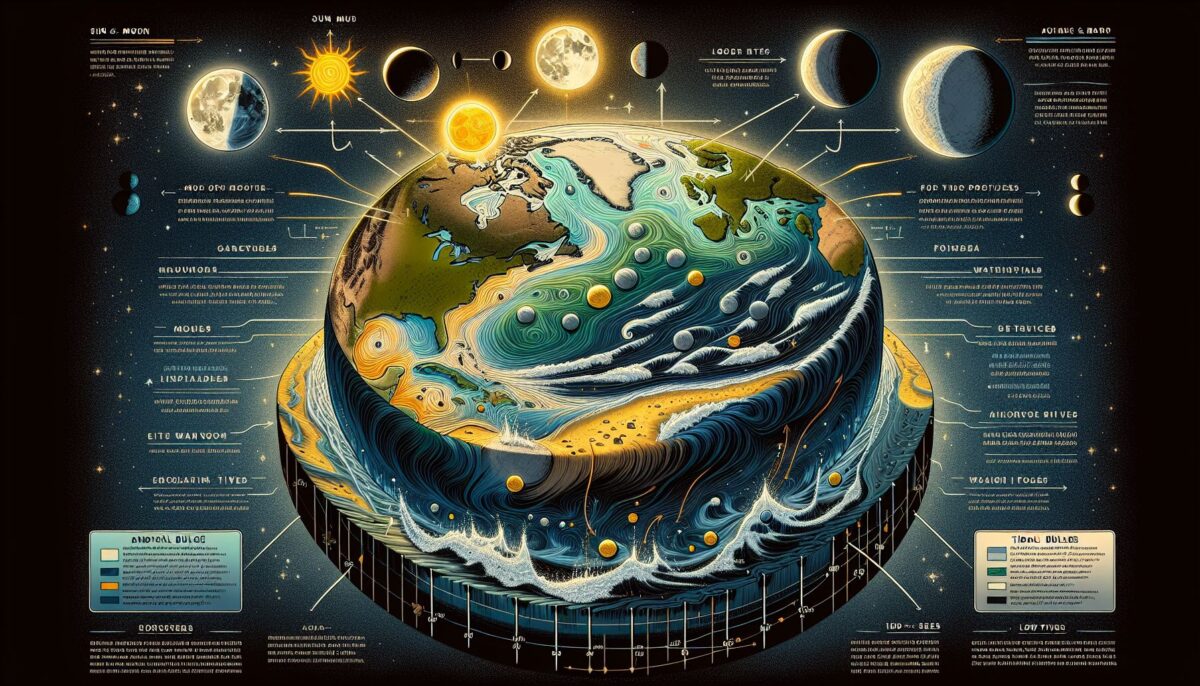
To understand the complexities of tides, one must first grasp their basic principles. Tides are the result of the gravitational pull exerted by the moon and, to a lesser extent, the sun. As the Earth rotates on its axis, different parts of the planet are exposed to varying levels of gravitational force from these celestial bodies, which cause the water in the Earth’s oceans to bulge out in different directions.

The Lunar Influence

The moon is the primary influencer of the tides due to its proximity to the Earth. Its gravitational force pulls on the Earth’s water, creating what is known as the high tide in the area facing the moon. On the opposite side of the Earth, another high tide occurs, caused by the centrifugal force from the Earth-moon system’s rotation. The areas between these bulges experience low tide. These two bulges of water are what give us the semidiurnal tidal cycle—a cycle that most oceanic coastlines experience as two high and two low tides each day.

The Solar Contribution

While the moon is the star of the tidal show, the sun plays a significant supporting role. When the sun, moon, and Earth align — during new and full moons — gravitational forces combine to produce especially high and low tides known as spring tides. Conversely, when the sun and moon form a right angle relative to the Earth, during the first and third quarters of the lunar cycle, their gravitational forces partially cancel out, resulting in neap tides, which are lower in amplitude.

The Local Variations and Their Causes

Local topography, the shape of the coastline, and the depth of the ocean floor all influence how tides manifest in different regions. This leads to a diverse array of tidal patterns around the globe.

Diurnal, Semidiurnal, and Mixed Semidiurnal Tides

Tidal patterns can be broadly categorized into three types: diurnal (one high and one low tide each day), semidiurnal (two high and two low tides of approximately equal size each day), and mixed semidiurnal (two high and two low tides each day of different sizes). The nature of these tides is dictated by the interactions among the Earth’s rotation, the positions of the moon and sun, and the specifics of the local geography.

Amphidromic Systems and Tidal Currents

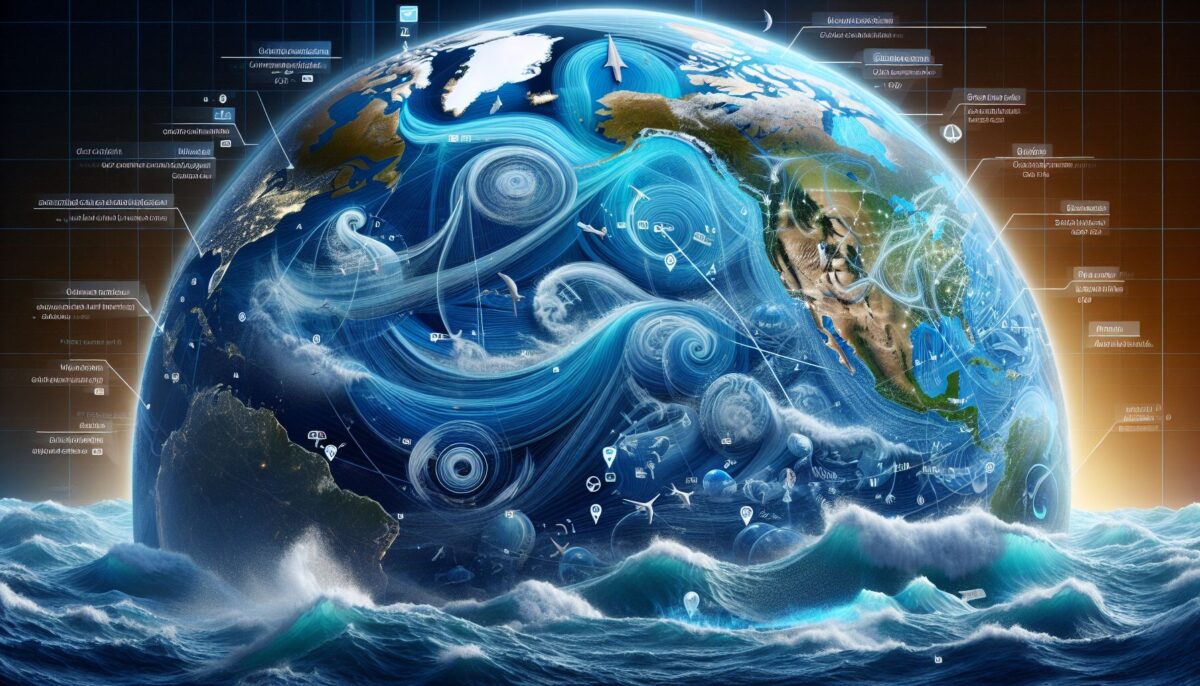
Another intriguing aspect of the tides is the presence of amphidromic systems in the world’s oceans. These systems are points in the oceans around which the high tide bulges rotate. These points exert minimal tidal influence but are crucial in generating tidal currents, also known as tidal streams, which can be significant for navigation and marine life.

Can we predict the tides?

Tidal prediction is a complex science. The movements of the Earth, moon, and sun are predictable, which allows oceanographers to calculate tides months or even years in advance. Today, sophisticated computer models consider astronomical data and local environmental factors to provide accurate tidal forecasts critical for coastal activities.

Ecological Importance of Tides

Tides are of immense ecological importance, shaping coastal habitats and influencing the behavior and distribution of marine life.

Intertidal Zones and Biodiversity

One of the most dynamic environments on Earth is the intertidal zone, the area between high and low tide. This zone is home to a unique and diverse group of organisms adapted to survive both submerged in sea water and exposed to the air. From barnacles and mussels to shorebirds and crabs, these species have evolved specialized features to cope with the changing conditions.

Nutrient Distribution and Coastal Ecosystems

Tides also play a crucial role in the distribution of nutrients in coastal waters, supporting a range of habitats like estuaries, mudflats, and mangroves. They help circulate oxygen and nutrients necessary for the productivity of these ecosystems, sustaining a wealth of species and providing essential services such as fisheries, water purification, and carbon sequestration.

The Human Dimension: Tides and Civilization

Since ancient times, humanity has been closely intertwined with the tides, harnessing their power for navigation, exploration, and more recently, renewable energy.

Navigation and Trade

Tides have long been crucial for maritime navigation, affecting the movements of ships entering and exiting ports. The knowledge of tidal patterns allows for scheduling shipments to utilize favorable currents, avoid low water levels, and prevent groundings and collisions.

Renewable Energy: Tidal and Wave Power

Sustainable power systems like tidal barrages and underwater turbines seek to capitalize on the kinetic energy of tidal currents or the rise and fall of tidal waters. Wave power, although technically distinct from tidal energy, also has the potential to become a significant source of clean energy, using the kinetic energy of surface waves to generate electricity.

Challenges of Rising Tides and Erosion

However, not all interactions between tides and human activity are beneficial. Coastal communities are increasingly vulnerable to the effects of sea level rise, which can exacerbate high tide-related flooding and lead to enhanced coastal erosion. Managing these challenges requires innovative approaches to coastal planning and may involve a combination of hard defenses like sea walls and natural solutions like restoring marshlands.

The Future of Tidal Studies

As our understanding of tides and their broader impact on the planet grows, so too does their significance as a subject for ongoing research. Physical oceanographers, marine biologists, and climate scientists collaborate to improve our predictive models, assess the implications of global sea level rise, and explore the potential of tidal energy as a renewable resource.

Sources of Innovation and Research

Modern advancements in oceanography have led to the development of cutting-edge tools for studying tides and their effects, from satellite altimetry to autonomous underwater vehicles. Research institutions and universities across the world are pioneering studies on tidal phenomenon and their practical applications, contributing to a more comprehensive understanding of our oceans.

The Role of Tidal Data in Global Climate Studies

Long-term tidal records are also invaluable in studying climate change. As we continue to understand the relationship between tides, sea level rise, and climate patterns, this information becomes crucial in predicting the future impacts on coastal ecosystems and human populations.

Preserving Our Relationship with the Tides

As coastal populations grow and we continue to extract resources from the sea, it’s clear that our interaction with tides will remain a critical aspect of human civilization. Protecting our shorelines, wisely managing our marine resources, and cherishing the societal and cultural heritage that has developed in harmony with the tides are all essential as we navigate the uncertain waters of the future.
Conclusion

The Blue Economy: Unveiling the Potential of Our Oceans for Sustainable Growth

The term “Blue Economy” has gained significant popularity in recent years, as nations and organizations around the globe strive to harness the potential of the oceans while preserving their health for future generations. It is an economic concept that aims to promote economic growth, social inclusion, and the preservation or improvement of livelihoods while at the same time ensuring the environmental sustainability of the oceans and coastal areas. But what does the Blue Economy encompass, and how can it help achieve sustainable development? In this article, we will explore the various facets of the Blue Economy and the opportunities and challenges it presents.

Understanding the Blue Economy

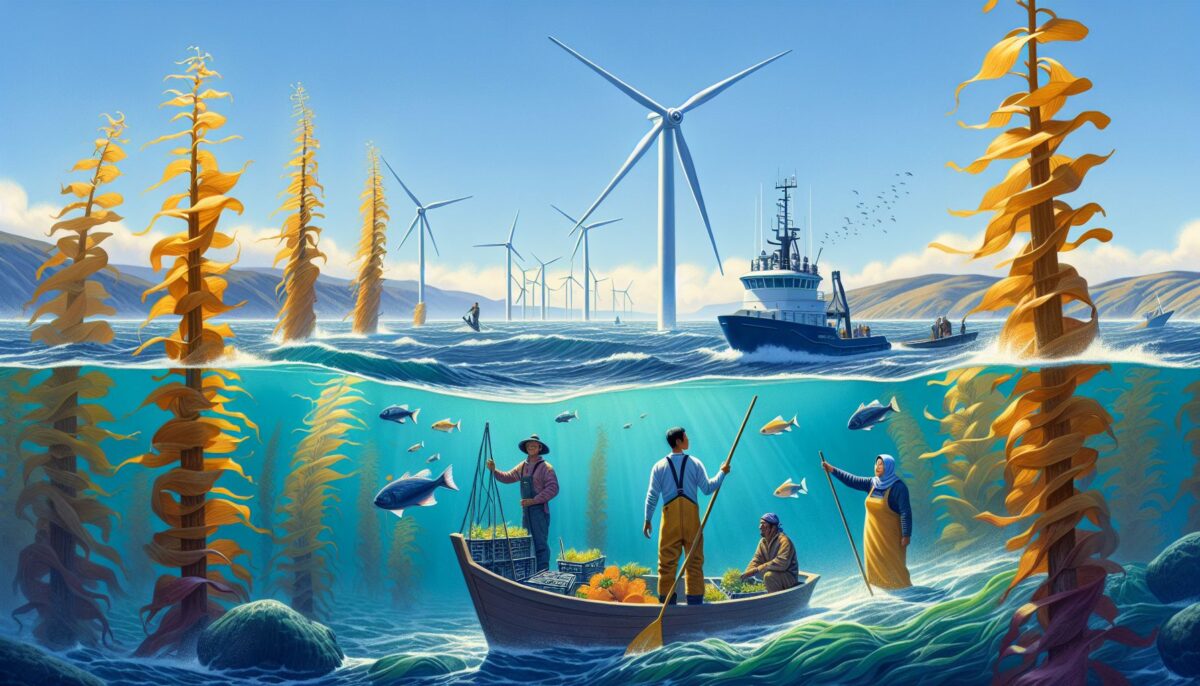
The concept of the Blue Economy is broad and can include a plethora of activities related to the seas and oceans. From traditional industries like fishing and maritime transport to newer sectors such as offshore renewable energy and marine biotechnology, the Blue Economy covers a range of economic sectors that are linked to the ocean, seas, and coasts.

Key Sectors of the Blue Economy

  • Fisheries and Aquaculture: The enhancement of sustainable fisheries and the development of aquaculture to ensure food security and nutrition.
  • Maritime Transport and Shipping: Efficient shipping routes and port development for the movement of goods and services.
  • Tourism: Coastal and marine tourism, which is a major economic driver for many coastal nations.
  • Renewable Energy: Harnessing wind, wave, and tidal energy to generate power without depleting natural resources.
  • Oil and Gas: Responsible extraction of non-renewable resources from beneath the seabed, with a focus on minimizing environmental impact.
  • Marine Biotechnology: Exploiting marine resources for pharmaceuticals, food additives, and other bioproducts.
  • Seabed Mining: Extracting minerals and resources from the ocean floor in a way that safeguards marine ecosystems.
  • Desalination: Providing freshwater through the removal of salt from seawater to meet the growing water demand.
  • Shipbuilding and Repair: Development of innovative and sustainable shipbuilding techniques to maintain the maritime fleet.
  • Coastal Protection and Restoration: Preserving and restoring coastal ecosystems to prevent erosion and promote biodiversity.

These sectors highlight the economic value of the oceans and the importance of managing them sustainably. They are not only essential for economic development and trade but also play a vital role in climate regulation, carbon storage, and maintaining global biodiversity.

Opportunities in the Blue Economy

Sustainable Growth and Job Creation

The Blue Economy has the potential to provide livelihoods to millions of people. It can support the growth of established industries while encouraging the development of emerging ones, leading to new job opportunities. For instance, offshore renewable energy projects can create employment in coastal communities that might otherwise rely on declining industries.

Economic Diversification and Resilience

For many countries, particularly small island developing states (SIDS) and coastal least developed countries (LDCs), the Blue Economy can drive diversification away from over-reliance on a single economic sector, increasing economic resilience against global shocks.

Food Security through Fisheries and Aquaculture

Fisheries and aquaculture are integral to the Blue Economy, providing a major source of protein to billions of people worldwide. Through sustainable practices, these sectors can continue to thrive, ensuring food security and nutrition.

Innovation and Technology Development

The exploration and sustainable use of ocean resources can lead to technological advancements. Ocean energy, for example, relies on innovative technologies to harness the power of waves and tides, presenting opportunities for investment and growth in the field of renewable energy.

Protection of Marine Ecosystems

Part of the ethos of the Blue Economy is to protect and sustainably use marine and coastal ecosystems. By implementing responsible practices, it’s possible to maintain the health of the ocean, which is critically important for the survival of marine species and the prevention of phenomena like coral bleaching and ocean acidification.

Challenges in Implementing the Blue Economy

While the opportunities within the Blue Economy are immense, there are also significant challenges to its implementation.

Environmental Impact and Sustainability

One of the main challenges regarding the Blue Economy is ensuring that economic activities are sustainable and do not harm the marine environment. Overfishing, habitat destruction, and pollution from various economic activities continue to threaten the health of ocean ecosystems.

Inequality and Access to Resources

Creating an equitable Blue Economy requires careful management to ensure that the benefits of ocean resources are shared fairly and do not exacerbate existing inequalities. Smaller economies and indigenous populations must have equitable access to the resources and benefits of ocean-related activities.

Climate Change

Global warming and climate change pose significant risks to the Blue Economy. Rising sea levels, ocean acidification, and extreme weather events can negatively impact coastal and marine economic activities. Ensuring the Blue Economy is resilient to these changes is a considerable challenge.

Governance and International Cooperation

Good governance and strong international cooperation are required to manage the oceans’ vast resources effectively. Issues related to jurisdiction, enforcement of regulations, and conflict resolution are critical, given the international nature of many Blue Economy sectors.

Pathways to a Sustainable Blue Economy

To overcome the challenges and harness the opportunities of the Blue Economy, several key actions can be taken.

Strong Policy Frameworks

Governments need to establish clear policy frameworks that balance economic development with environmental protection. This includes creating marine protected areas, enforcing sustainable fishing practices, and investing in clean technologies.

Investment in Research and Development

Increased funding for research can further understanding of marine ecosystems and inform better management practices. This can lead to innovation in sustainable technologies and more efficient use of ocean resources.

Partnerships and Collaboration

Public-private partnerships, engagement with local communities, and collaboration between countries can accelerate the development of the Blue Economy. Sharing knowledge, resources, and best practices can lead to more holistic and effective outcomes.

Education and Capacity Building

Investing in education and building the capacity of all stakeholders, especially in developing countries, is essential for creating a workforce that can support the Blue Economy.

Towards a Blue Future

The Blue Economy presents a vision of a future where economic development coexists harmoniously with the conservation of ocean resources. It is an inclusive concept that encompasses ecological, economic, and social aspects, aiming to provide benefits for present and future generations.

However, to fully realize the potential of the Blue Economy, concerted efforts are needed at the local, national, and international levels. It is a multi-faceted challenge that requires innovation, investment, and governance. With the right measures, the Blue Economy could be the cornerstone of a sustainable, prosperous, and equitable future for all – one where humanity thrives in balance with the oceans that sustain us.

Sources

  1. United Nations Conference on Trade and Development (UNCTAD). “The Oceans Economy: Opportunities and Challenges for Small Island Developing States.” UNCTAD, 2014.
  2. Organisation for Economic Co-operation and Development (OECD). “The Ocean Economy in 2030.” OECD Publishing, Paris, 2016.
  3. World Wide Fund for Nature (WWF). “Principles for a Sustainable Blue Economy.” WWF, 2015.

The Blue Economy: Sailing Towards a Sustainable Future

The concept of the ‘Blue Economy’ has been gaining a considerable amount of traction among policymakers, environmentalists, economists, and business leaders alike. It refers to the sustainable use of ocean resources for economic growth, improved livelihoods, and jobs while preserving the health of ocean ecosystems. In this article, we will delve deep into what the Blue Economy entails, its significance, the challenges it faces, and the potential it has for transforming our interactions with the world’s oceans.

Understanding The Blue Economy

The ‘Blue Economy’ encompasses a wide range of activities including maritime transport, fisheries, renewable energy, waste management, climate change, and coastal and marine tourism. The World Bank defines it as the “sustainable use of ocean resources for economic growth, improved livelihoods, and jobs while preserving the health of ocean ecosystems.”

Maritime Transport and Ports

Maritime transport is the backbone of the Blue Economy. Over 80% of global trade by volume and over 70% by value is carried by sea and handled by ports worldwide. Efficient and sustainable ports and shipping lanes are crucial for the success of the Blue Economy. Innovation in this sector could lead to greener shipping practices and reduce emissions and pollution.

Fisheries and Aquaculture

Fisheries play a critical role in food security and nutrient supply, providing essential protein and nutrition to billions. Aquaculture, on the other hand, is the world’s fastest-growing food production sector and is set to overtake wild fisheries as a source of seafood. Sustainable practices in both these areas are cornerstones of the Blue Economy.

Renewable Energy

Renewable energy from the sea, including tidal energy, wave energy, and offshore wind farms, offers huge potential for a more sustainable energy future. Harnessing these resources can help reduce dependency on fossil fuels and mitigate climate change impacts.

Tourism

Coastal and marine tourism is another significant component of the Blue Economy. It includes beach-based recreation and tourism, sea cruises, sports, and coastal resorts that create millions of jobs and contribute to the economies of countless coastal communities.

Waste Management

Effective management of marine waste and pollution are not only environmental imperatives but also economic ones. The health of marine ecosystems directly affects the economic activities that rely on them. Therefore, waste management initiatives, including reducing plastic pollution and treating wastewater before it reaches the sea, are essential components of the Blue Economy.

Blue Carbon

Mangroves, tidal marshes, and seagrasses make up ‘blue carbon’ ecosystems that sequester carbon from the atmosphere and ocean. Protecting these areas is crucial for mitigating climate change impacts, preserving biodiversity, and providing a buffer against storm surges and coastal erosion.

Significance of The Blue Economy

The oceans are a key part of the Earth’s life-support system. They regulate climate by absorbing carbon dioxide and produce over half of the world’s oxygen. Further, around 3 billion people rely on marine and coastal biodiversity for their livelihoods.

Economic

The Blue Economy has vast potential for promoting economic growth and alleviating poverty. It’s projected that the economic value of the Blue Economy is somewhere between $3-6 trillion per year. Developing sustainable ocean-based industries can create new jobs, support world economies, and ensure food security.

Social

By providing employment and supporting livelihoods, the Blue Economy has a significant social impact. It enables better living standards for fishing communities and adds resilience against economic downturns and food scarcities.

Environmental

Sustainable management of ocean resources minimizes environmental impacts, conserves marine biodiversity, and helps protect endangered species and habitats.

Challenges Facing The Blue Economy

While the prospects of the Blue Economy are immensely promising, there are various challenges that need to be tackled:

  • Overfishing threatens the sustainability of fish stocks and marine ecosystems.
  • Marine pollution, particularly plastic waste, is damaging to marine life and potentially human health.
  • Ocean acidification and coral bleaching, and other climate change-related impacts, are destroying critical habitats.
  • Illegal, unreported, and unregulated (IUU) fishing undermines sustainable fisheries management.
  • Coastal erosion and habitat destruction diminish the ecological integrity of coastal and marine environments.

Harnessing The Potential

To truly realize the potential of the Blue Economy, we require concerted efforts at various levels:

  1. Marine Spatial Planning (MSP): This manages the shared use of the ocean by stakeholders such as energy, fishing, conservation, and tourism industries.
  2. Sustainable Fisheries Management: Implementing strict quotas and protecting nursery grounds can ensure fish populations thrive.
  3. Marine Protected Areas (MPAs): These are necessary to conserve critical marine habitats and biodiversity.
  4. Environmental Regulations: Policing and enforcing anti-pollution legislation is vital for clean seas.
  5. Investment in Research: Better understanding through oceanographic research leads to informed decision-making and innovation.
  6. International Collaboration: Oceans know no boundaries; hence global cooperation is key for tackling issues like illegal fishing and pollution.

The Path Forward

The transition to a Blue Economy requires integrating the management of land, water, and living resources, promoting conservation, and sustainable economic activity. The UN Sustainable Development Goal 14, ‘Life Below Water’, emphasizes the necessity of conserving and sustainably using the oceans, seas, and marine resources.

Continual investment in sustainable infrastructure, promotion of green shipping, development of sustainable fisheries, and marine renewable energy are essential. Furthermore, the Blue Economy concept sets the stage for developing nations, particularly Small Island Developing States (SIDS), to harness ocean resources, given the significant ocean spaces they hold sovereignty over.

The Blue Economy is more than an economic model; it’s a shift in mindset, recognizing that the economy and ecology of the planet are intrinsically linked. Ensuring sustainable ‘blue growth’ is a collaborative global responsibility that requires innovative thinking, long-term planning, and an unwavering commitment to the Earth’s oceans.

Sources

To gain a deeper understanding of the topics discussed here, consider the following resources:

  • World Bank’s “What is the Blue Economy?” World Bank Group
  • United Nations’ Sustainable Development Goal 14: UN SDGs
  • The Blue Economy Concept Paper by the Commonwealth of Nations: The Commonwealth

The Blue Economy is a bold approach to preserving the greatest resource our planet has to offer while fostering sustainable economic growth, and the journey has only just begun. It’s through understanding, respect, and innovative management of the ocean’s resources that we can ensure the sea’s bounty endures for generations to come.

Navigating the Vast Blue: The Intricacies of Ocean Currents and Their Role in Earth’s Climate

The Earth, our blue planet, is outlined with vast bodies of water that account for more than 70% of its surface. These endless stretches of water are veins to our world, fueling ecosystems and influencing weather patterns. Among the many elements of the ocean, one stands out for its significant yet often underappreciated role: ocean currents. In this article, we will embark on an aquatic journey to understand the complexities of currents, their impacts on marine life, Earth’s climate, and ultimately, human existence.

Understanding Ocean Currents

Ocean currents are continuous, directed movements of seawater generated by various forces acting upon the water, including wind, the Coriolis effect, changes in temperature and salinity, and the topography of the ocean floor. These currents can be classified into surface currents, which include the upper 400 meters of the ocean, and deep ocean currents, which move around the ocean’s depths.

Surface Currents

Surface currents are primarily driven by the wind. These currents typically follow the prevailing winds, such as the trade winds in the tropics and the westerlies in the mid-latitudes, shaping patterns known as gyres. Gyres are large circular currents that dominate the surfaces of the oceans. For example, the North Atlantic Gyre is responsible for the Gulf Stream, which brings warm water up the eastern coast of the United States and across the Atlantic to Western Europe.

Deep Ocean Currents: The Thermohaline Circulation

Deep ocean currents, also known as the thermohaline circulation or the ‘great ocean conveyor belt,’ are driven by differences in water density, influenced by temperature (thermo) and salinity (haline). Cold, salty water is dense and sinks, driving a deep current that flows from the polar regions towards the equator. This is a crucial component of global heat transfer, redistributing warm and cold water across the planet.

The Impact of Ocean Currents on Climate

Ocean currents play a pivotal role in regulating Earth’s climate. Large currents, such as the Gulf Stream, transport tremendous amounts of heat from the tropics to the poles, helping to balance the global temperature. The movement of currents also affects weather systems. For instance, the El Niño Southern Oscillation (ENSO) is a periodic fluctuation in ocean temperature and wind patterns in the Pacific Ocean, influencing global weather events.

The Ocean and Atmospheric Interplay

The ocean and atmosphere are in continual interaction; currents influence the atmosphere above them and vice versa. This close interplay can lead to the formation of weather systems such as hurricanes or monsoons, which are profoundly affected by the temperature and moisture content of the underlying ocean currents.

Currents and Marine Life

Ocean currents impact biological systems in numerous ways. Many species depend on these currents for migration, feeding, and maintaining the ecosystems they inhabit. For example:

  • Nutrient Transport: Upwelling currents bring nutrient-rich water from the ocean depths to the surface, supporting vast swaths of marine life.
  • Migration Routes: Many marine species such as whales and turtles use currents to traverse the oceans during their migratory patterns.
  • Reef Health: Coral reefs rely on currents to bring a supply of food and oxygen while whisking away waste products and sediments.

The Challenge of Climate Change

As the climate changes, so too do ocean currents. Rising sea temperatures are beginning to alter the strength and direction of these currents, with potential consequences for marine ecosystems and the global climate. For example, a slowing of the Atlantic Meridional Overturning Circulation (AMOC) could lead to more extreme weather in Europe and impact sea levels along the American coast.

Economic and Societal Impact of Currents

Beyond their ecological importance, currents have substantial economic and societal impacts. They influence:

  • Navigation: Throughout history, sailors have used knowledge of currents to aid sea travel and trade.
  • Fisheries: Currents determine the health and location of fish stocks, which are critical to the global fishing industry.
  • Marine Renewable Energy: Efforts to harness the energy of tidal and ocean currents are paving the way for new, clean energy sources.

Conservation and Management Efforts

Given the importance of currents to our ecosystems and climate, there are growing efforts to preserve these natural phenomena. Marine protected areas (MPAs), strict fishing regulations, and international agreements like the Paris Agreement aim to safeguard our oceans and the currents that flow within them.

Conclusion

Ocean currents are fundamental to maintaining life on Earth, both in the sea and on land. They are not only ecological wonders but also climate regulators, agents of nutrient transport, and navigational tools harnessed by humankind for millennia. As the climate shifts, understanding and protecting these vital forces of nature is more critical than ever.

Sources

  1. National Oceanic and Atmospheric Administration (NOAA) – “Ocean Currents and Climate” – https://www.noaa.gov/education/resource-collections/ocean-coasts/ocean-currents
  2. World Meteorological Organization (WMO) – “El Niño/La Niña Update” – https://public.wmo.int/en/el-ni%C3%B1o
  3. United Nations – “Conserve and sustainably use the oceans, seas and marine resources” (Sustainable Development Goals) – https://www.un.org/sustainabledevelopment/oceans/

These foundational currents shape not only the physical world but also the biological and human realms. From the bustling marine life thriving in nutrient-rich waters to the vast networks of global trade and commerce, our reliance on ocean currents is boundless. As we venture into a future marked by uncertainty due to climate change, it is imperative that we deepen our understanding of these powerful natural phenomena, advocating for the sustainability and health of our world’s oceans. The dance of the ocean currents is a choreography that all life on Earth is a part of; it is our duty to ensure that the music never stops.

The Significance of Coral Reefs: Biodiversity, Threats, and Conservation Efforts

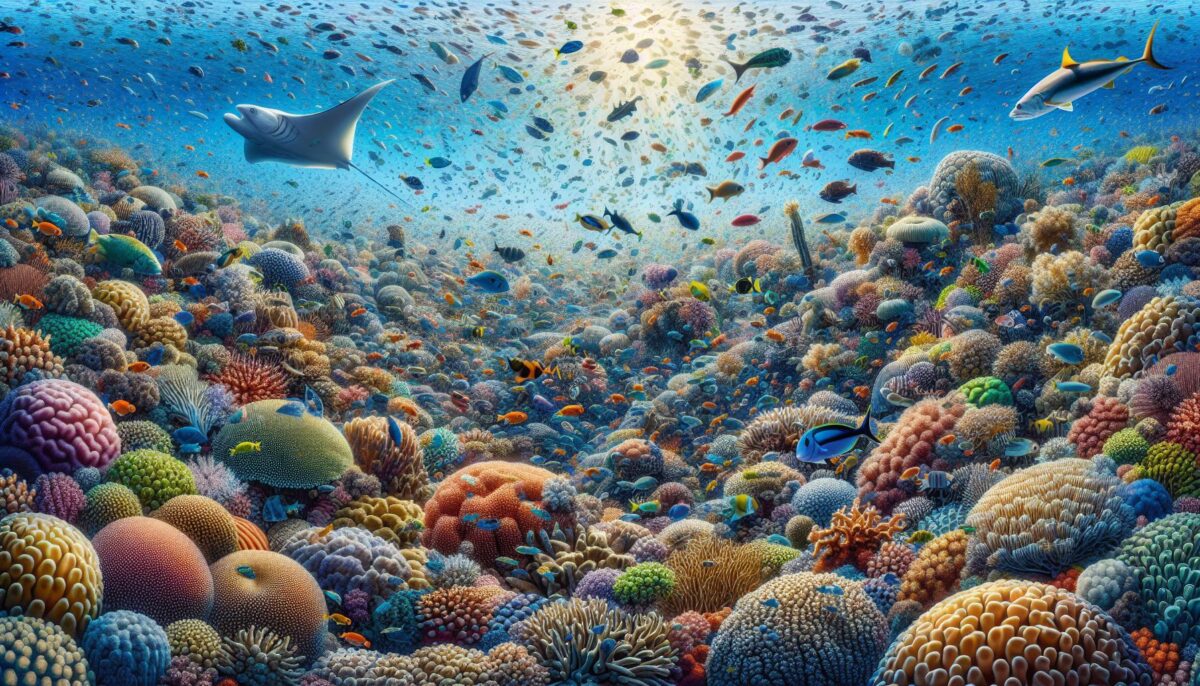
Coral reefs, often referred to as the rainforests of the sea, are among the most biodiverse and productive ecosystems on Earth. These underwater structures are not just important for marine life but also for the well-being of humans. Coral reefs provide food, coastal protection, and livelihoods for millions of people worldwide. However, they face numerous threats that can have far-reaching consequences. This article delves into the world of coral reefs, highlighting their significance, the dangers they face, their role in the blue economy, and the measures being taken to conserve them.

Biodiversity Hotspots

What makes coral reefs extraordinary is the immense biodiversity they harbor. Despite covering less than 1 percent of the ocean floor, reefs are home to about 25 percent of all marine species. They serve as essential spawning, nursery, feeding, and breeding grounds for numerous organisms, including fish, crustaceans, mollusks, sponges, and other invertebrates.

The Structure of Coral Reefs

Coral reefs are built by millions of tiny creatures known as coral polyps. These polyps secrete calcium carbonate to form protective limestone skeletons that, over time, accumulate to form the reefs. As these structures grow, they create intricate habitats with a variety of niches that host a wide array of species.

The Types of Coral Reefs

Coral reefs can be categorized into three main types: fringing reefs, barrier reefs, and atolls. Fringing reefs are the most common, growing directly from a shoreline. Barrier reefs are set apart from land by deeper channels of water. Atolls, which are often circular, form around sunken islands and have a central lagoon.

The Threats to Coral Reefs

Despite their resilience, coral reefs are under threat from a range of human activities and natural phenomena. Let’s explore some of the significant dangers these ecosystems face:

Climate Change

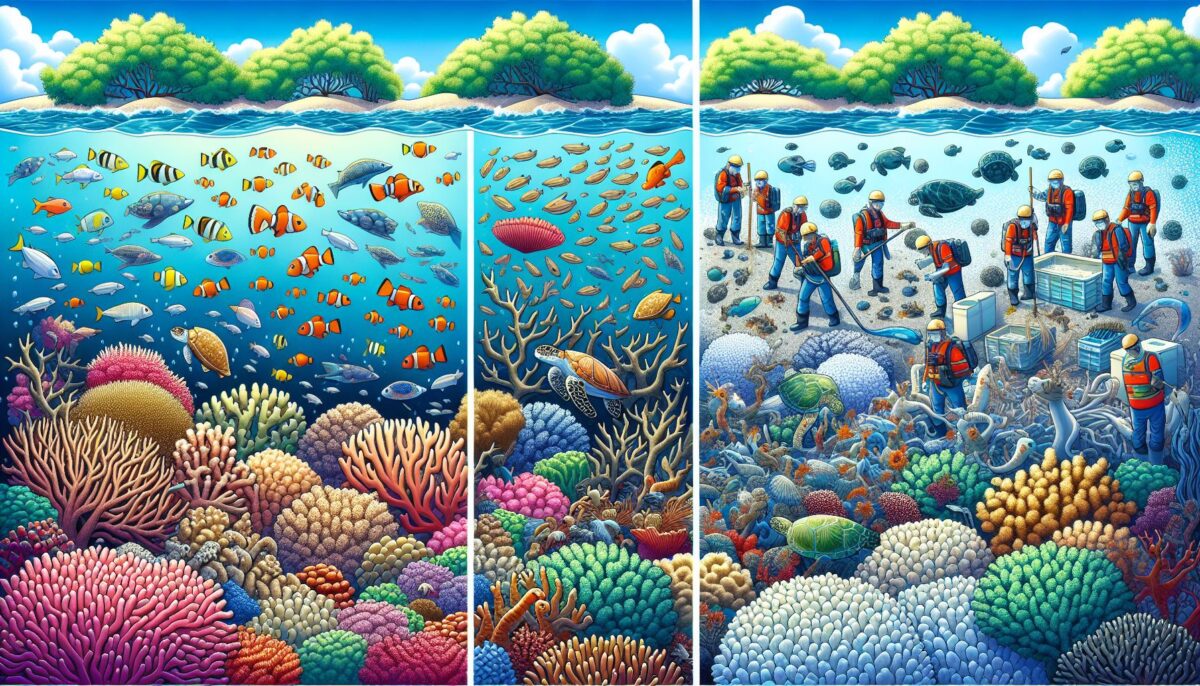
Warming sea temperatures due to climate change induce coral bleaching, a stress response where corals expel the symbiotic algae living in their tissues. Without these algae, corals lose their color and their main source of food, leading to a decline in health and potentially death if the stress persists.

Ocean Acidification

The ocean absorbs a significant amount of the carbon dioxide emitted into the atmosphere. This excess CO2 reacts with seawater to form carbonic acid, which lowers the pH of the ocean and makes it more acidic. This change impedes corals’ ability to produce their calcium carbonate skeletons and undermines the integrity of the reef structure.

Overfishing and Destructive Fishing Practices

Overfishing can deplete key reef species and alter the ecological balance, while practices such as using dynamite or cyanide to fish destroy the physical structure of the reefs, causing long-term damage.

Land-Based Pollution

Sediment runoff, nutrient pollution, and contaminants from agriculture, deforestation, and sewage discharge can smother corals and promote the growth of harmful algae which can outcompete corals for space and resources.

Physical Damage

Coastal development, irresponsible tourism, and anchoring on reefs can break or damage fragile corals. Even small breaks can take decades to recover.

The Role of Corals in the Blue Economy

The blue economy refers to the sustainable use of ocean resources for economic growth, improved livelihoods, and jobs while preserving the health of ocean ecosystems. Coral reefs play a pivotal role in the blue economy in several ways:

Fisheries

Coral reefs are crucial to both commercial and artisanal fisheries. Many commercially important fish species depend on reefs for part of their life cycles. These fisheries not only feed millions but also provide jobs and economic opportunities for coastal communities.

Tourism

Recreational diving, snorkeling, and coral reef-related tourism are substantial sources of income for many countries, contributing billions of dollars to economies around the world. Effective management of coral reef tourism is essential to ensure that it is sustainable and does not contribute to reef degradation.

Coastal Protection

Coral reefs are natural barriers that absorb the energy of waves and storms, protecting coastal habitats and human settlements from erosion and flooding.

Conservation and Management Efforts

There is an urgent need to protect and restore coral reefs. Various global and local initiatives are underway to achieve these aims:

Marine Protected Areas (MPAs)

Establishment of MPAs restricts certain activities within designated areas to protect and restore marine life.

Coral Restoration

Projects around the world involve the cultivation and transplantation of coral fragments to degraded reefs to catalyze their recovery.

Sustainable Fisheries Management

Enforcing fishing quotas, prohibiting destructive fishing practices, and creating no-take zones help ensure fish populations remain healthy and avoid undue stress on reef ecosystems.

Pollution Control

Efforts to manage and reduce land-based sources of pollution involve better agricultural practices, improved sewage treatment, and watershed management strategies.

Global Agreements

The Paris Agreement, which seeks to limit global warming, is a vital step toward reducing the threat of coral bleaching associated with climate change.

Research and Monitoring

Ongoing research and monitoring are crucial to understanding the health of reef ecosystems and the effectiveness of conservation measures. Organizations like the Coral Reef Alliance and the Reef-World Foundation are working to support these efforts.

Conclusion

Coral reefs are an irreplaceable part of our planet’s ecosystem and are crucial to the socioeconomic health of many nations. While the threats to coral reefs are significant and multifaceted, there is still hope as concerted efforts are made to protect and preserve these vibrant ecosystems. From international agreements to local conservation initiatives, every action we take today will determine the future of coral reefs and the myriad forms of life, including our own, that depend on them.

Conserving coral reefs is not just an environmental or scientific endeavor; it is also an investment in the prosperity and security of future generations. By supporting and participating in conservation efforts, we can ensure that coral reefs continue to thrive as beautiful and life-supporting components of our blue planet.

The Invisible Heroes of Ocean Dynamics: Understanding Tides, Currents, and Their Global Importance

The ocean, covering over 70% of our planet, is not just a vast expanse of water. It’s a dynamic, constantly moving system that plays a crucial role in shaping life on Earth. Among the most influential yet often overlooked components of this immense natural entity are its tides and currents. These patterns of movement carry significant implications for marine life, human activity, and the global climate. In this deep dive, we will unearth the mechanics behind tides and currents, their environmental significance, and the challenges that we face related to these hidden heroes of ocean dynamics.

The Rhythms of the Sea: Unraveling The Mystery of Tides

The gravitational pull of the moon and, to a lesser extent, the sun, is the primary force driving the tides. As the Earth spins on its axis, the moon’s gravity tugs at the oceans, creating bulges of water that we experience as high tides. This partnership of celestial bodies and their influence on our oceans is known as the “tidal force.”

The Ebb and Flow

Tides are classified into different types depending on the alignment of the Earth, moon, and sun:

  • Spring tides: Occur when the Earth, moon, and sun are in a straight line (during new and full moons), resulting in higher high tides and lower low tides.
  • Neap tides: Happen when the moon and sun are at right angles to each other (during quarter moons), producing less extreme high and low tides.

This ebb and flow of tides are not only mesmerizing to watch but also crucial for the health of coastal ecosystems. They facilitate the movement and mixing of nutrients, which in turn supports the rich biodiversity of estuarine and shoreline habitats.

Shaping Shores and Human History

The repeating pattern of tides has shaped human civilization throughout history. Coastal communities have timed their fishing, navigation, and even military campaigns to the predictability of the tides. Moreover, the rise and fall of sea levels due to tidal movements are essential for developing ports and harbors.

Tidal Energy: A Sustainable Promise

One of the most promising aspects of tidal forces is the potential for renewable energy generation. Tidal energy comes from harnessing the kinetic power of water as it moves in and out with the tides. This form of energy production is predictable and environmentally friendly, presenting a significant opportunity for coastal regions to capitalize on sustainable power sources.

Charting the Path: Navigating Ocean Currents

Whereas tides are the vertical movement of water, currents are the horizontal flow. These streams within the ocean are driven by several factors including wind, the rotation of the Earth, differences in water density, and temperature and salinity gradients.

The Engine of Climate: Global Currents

The most significant oceanic currents are the thermohaline currents, making up the “global conveyor belt.” This system circulates water around the globe, regulating temperatures and contributing to the climate patterns we experience. For instance, the Gulf Stream is a well-known current that carries warm water from the Gulf of Mexico across the Atlantic, providing milder climates to parts of Europe that would otherwise be much cooler.

A Lifeline for Marine Creatures

Currents play a pivotal role in the life cycles of many marine species. For instance, they help distribute plankton, which are the foundational diet for many larger sea creatures. Currents also assist in the migration of species, from tiny invertebrates to great whales, as they follow these highways in search of food, mating territories, or calving grounds.

Marine Trade and Communication

For centuries, understanding and utilizing ocean currents have been vital for navigation and trade. Ancient mariners used knowledge of currents for exploration and to establish trade routes, a practice that continues today in maritime commerce. Modern shipping relies on the predictability of these currents to save time and fuel, thereby reducing costs and environmental impact.

Facing Future Challenges

As crucial as tides and currents are to the oceans’ health and our reliance on them, they are not immune to the impacts of human activity and climate change.

Climate Change and Ocean Dynamics

The global conveyor belt is sensitive to the changes in Earth’s climate. As we see an increase in sea temperatures and melting polar ice, the delicate balance of temperature and salinity that drives these currents is at risk. Disruption in these currents could lead to significant changes in weather patterns and even alter entire ecosystems.

Preserving the Flow

The protection of our oceans’ dynamic processes is essential for maintaining the balance of marine ecosystems. Efforts like marine protected areas, responsible coastal management, and reducing carbon emissions are critical in safeguarding the oceans’ rhythms against the backdrop of climate change and increasing human activity.

Sources and Further Reading:

  1. “Tidal Energy – Renewable Energy World.” https://www.renewableenergyworld.com/types-of-renewable-energy/tidal.
  2. “The Gulf Stream Explained – National Ocean Service.” https://oceanservice.noaa.gov/facts/gulfstream.html.
  3. “What Are Ocean Currents?” – National Geographic. https://www.nationalgeographic.org/encyclopedia/ocean-currents.

In conclusion, the roles of tides and currents in the ocean are fundamental not only to the marine life that thrives within it but also to human survival and prosperity. The predictability and power of these phenomena have been harnessed for centuries, yet we are only scratching the surface of understanding their potential and the threats we face due to their alteration. It is through continued study, conservation, and global cooperation that we can ensure these invisible heroes continue to sustain life on our blue planet.

Unveiling the Depths of Marine Biodiversity: A Journey Into Earth’s Richest Habitats

The world beneath the ocean’s surface is one of the most diverse and fascinating realms on our planet. Home to an estimated 50 to 80 percent of all life on Earth, the ocean covers more than 70% of the planet’s surface and contains more than 96% of Earth’s water. But within this vast expanse lies a tapestry of life that is rich, dynamic, and incredibly varied. In this article, we plunge into the depths of marine biodiversity, exploring the myriad of living organisms that call the ocean home, their interdependent relationships, the challenges they face, and the critical importance of conserving these precious ecosystems.

What is Marine Biodiversity?

Marine biodiversity encapsulates the variety and variability of organisms that inhabit the sea. It encompasses everything from the taxonomic, genetic, and ecosystem diversity within and between all oceanic species—from microscopic plankton to the colossal blue whale.

The Hierarchy of Marine Life

To fully appreciate marine biodiversity, we ought to consider its organization at multiple levels:

  • Genetic Diversity: Genetic variations within a species. This level of diversity is crucial for adaptation and survival in changing environments.
  • Species Diversity: Refers to the number of different species and the balance of their populations in a given ecosystem.
  • Ecosystem Diversity: The diverse ecosystems found in the marine environment such as coral reefs, mangroves, deep-sea vents, and polar ice waters.

Diving into Different Marine Habitats

The ocean is split into different zones and habitats, each with its unique set of species and ecological interactions:

  1. Coastal Ecosystems: These areas are the most productive and biodiverse parts of the ocean. Estuaries, salt marshes, and mangrove forests are nurseries for many marine species.
  2. Coral Reefs: Often termed the “rainforests of the sea,” coral reefs are hotspots of biodiversity. They provide habitat for an estimated 25% of all marine species despite covering less than 1% of the ocean floor.
  3. Open Ocean: The vast body of water away from the coasts, known as the pelagic zone, has its layers teeming with life, from the sunlit upper layers down to the dark abyssal plains.
  4. The Deep Sea: This least explored and understudied habitat holds mysteries with extreme conditions and specially adapted life forms.

The Spectacle of Marine Species

Fish and Invertebrates

The oceans house more than 33,000 known species of fish, a number that is constantly rising with new discoveries. Invertebrates, such as crustaceans, mollusks, and coral, add considerably to the biodiversity of the marine world.

Marine Mammals and Birds

Marine mammals, including whales, dolphins, seals, and walruses, are quintessential to ocean ecosystems. The migratory patterns of seabirds also contribute to the dynamic nature of marine biodiversity.

Plankton: The Ocean’s Unsung Heroes

Plankton includes both phytoplankton (plant-like organisms) and zooplankton (tiny animals) which are critical to the marine food web. The base of the food chain, plankton supports the life of all higher marine organisms.

Impact of Human Activities

Regrettably, human activities are increasingly threatening marine biodiversity. Overfishing, habitat destruction, pollution, climate change, and ocean acidification are imperiling marine life at alarming rates.

Overfishing and Unsustainable Fisheries

Fisheries have a direct impact on marine populations. Overfishing not only reduces fish stocks but also alters food webs and marine ecosystem structures.

Pollution: From Plastic to Chemicals

Both visible pollution, like plastic waste, and invisible chemical contaminants, undermine the health of marine ecosystems. Marine debris can choke, trap, or starve marine life, while chemicals can disrupt hormonal systems.

Climate Change and Ocean Acidification

Rising sea temperatures due to climate change lead to consequences such as coral bleaching and the modification of species distribution patterns. Increased CO2 levels dissolve in the ocean, causing acidification that affects calcifying organisms and disrupts the marine balance.

Habitat Loss and Coastal Erosion

Expanding coastal development, along with destructive fishing methods like trawling, devastates critical habitats. Coastal erosion further diminishes the capacity of these ecosystems to sustain diverse marine life.

The Path Ahead: Conservation and Sustainable Use

Protecting the ocean’s biodiversity calls for concerted international efforts and sound policies that promote sustainable use and conservation.

Marine Protected Areas (MPAs)

MPAs can be highly effective in preserving marine biodiversity. By prohibiting or limiting human activity in these areas, they offer a refuge for endangered species and allow ecosystems to recover and thrive.

International Agreements

The Convention on Biological Diversity and the United Nations Sustainable Development Goal 14 aim to conserve and sustainably use the oceans, seas, and marine resources.

Citizen Science and Education

Raising awareness and educating the public on the importance of the ocean’s biodiversity is critical. Citizen science initiatives also encourage public participation in conservation efforts, contributing valuable data and fostering a connection with the marine environment.

Sustainable Practices in Fisheries and Aquaculture

Improving fishing practices and promoting sustainable aquaculture can alleviate the pressure on wild fish populations. Techniques like selective fishing gear, catch limits, and aquaculture that doesn’t harm local ecosystems are crucial.

Innovations in Plastic Use and Waste Management

Efforts to reduce plastic usage and improve waste management on land can significantly decrease marine pollution. Innovation plays a valuable role in developing biodegradable alternatives and recycling technologies.

Conclusion: The Urgent Call to Action

Marine biodiversity is not only an aesthetic and spiritual treasure but also a vital part of our planet’s life support system. It provides food, oxygen, and regulates our climate. The intricate balance of marine life is delicate, yet robust; majestic, yet vulnerable. It is abundantly clear that the fate of humanity is deeply intertwined with the health of our oceans.

Sources

  1. “Marine Biodiversity.” Convention on Biological Diversity. https://www.cbd.int/marine/
  2. “Ocean species discoverability and vulnerability revealed by genetic and historical data.” Pinsky et al. 2019. Science Advances. https://advances.sciencemag.org/content/5/5/eaau5719
  3. “Overfishing: A Threat to Marine Biodiversity.” United Nations. https://www.un.org/esa/dsd/resources/res_pdfs/csd-16/csds16_bp8.pdf

With increased awareness and dedicated action, we have the power to safeguard our irreplaceable oceans for future generations. It is not a legacy we should take for granted. The time to act is now.

In the vast silence of the deep, every creature, big and small, tells a story of a world hidden below, a world we have the responsibility to protect

Understanding and Protecting the Richness of Marine Biodiversity

The ocean—vast, majestic, and teeming with life—covers more than 70% of Earth’s surface. It is home to countless species, from the tiniest plankton to the largest whales, each playing a crucial role in the aquatic ecosystem’s health and balance. Unfortunately, factors such as pollution, overfishing, and climate change are threatening this delicate marine biodiversity. In this article, we’ll dive into the underwater world to explore the importance of marine biodiversity, the threats it faces, and the efforts being made to protect it.

What Is Marine Biodiversity?

Marine biodiversity is the variety of life forms within ocean environments—from genes and species to ecosystems. This incredible diversity takes shape in various habitats, such as coral reefs, kelp forests, deep-sea hydrothermal vents, and the vast open ocean. Each of these environments supports a unique set of species and ecological processes.

The Importance of Marine Biodiversity

Marine biodiversity is critical for many reasons:

  • Ecosystem Services: The ocean provides vital services including oxygen production, climate regulation, and nutrient cycling.
  • Food Security: Marine ecosystems are a source of food for billions of people worldwide.
  • Economic Value: Fisheries, aquaculture, and tourism industries rely on diverse marine life.
  • Biomedical Resources: Many marine organisms have unique compounds that are used in medicines.
  • Cultural Significance: Oceans have a profound influence on many cultures and are integral to recreational activities.

Measuring Biodiversity: The Use of Indices

Researchers often use various indices to measure biodiversity. One common approach is the Shannon Diversity Index, which considers the number of species (richness) and the evenness of species distribution. The higher the index, the greater the diversity in the ecosystem.

Threats to Marine Biodiversity

Several human-induced threats are significantly impacting marine biodiversity:

  • Overfishing: Unsustainable fishing practices deplete fish populations and disrupt food webs.
  • Habitat Destruction: Coastal development, bottom trawling, and other activities destroy crucial habitats.
  • Pollution: Nutrient runoff, plastic waste, and chemical contaminants harm marine life.
  • Climate Change and Ocean Acidification: Rising temperatures and acidifying oceans due to increased CO2 levels can lead to coral bleaching and the loss of habitats.
  • Invasive Species: Non-native species introduced by human activity can outcompete native species for resources.

The Devastating Impact of Oil Spills

One of the most visible and damaging forms of pollution is oil spills. Massive oil spills, like the Deepwater Horizon disaster in 2010, cause widespread death and injury to marine fauna and flora, poison food webs, and damage ecosystems for years.

Acidification: A Slow-Moving Disaster

Ocean acidification, a lesser-known but equally severe issue, is the result of oceans absorbing excess carbon dioxide from the atmosphere, which lowers the water’s pH. This change can dissolve the shells and skeletons of marine organisms, particularly affecting coral reefs and shellfish.

Conservation and Protection Measures

Given these threats, various efforts are underway to conserve marine biodiversity:

  • Marine Protected Areas (MPAs): MPAs restrict human activities in critical habitats to allow ecosystems to recover and thrive.
  • Sustainable Fishing: The implementation of quotas and protected seasons can help fish populations rebound.
  • Pollution Control: Regulation of pollutants and initiatives to reduce plastic waste aim to improve ocean health.
  • Mitigating Climate Change: Reducing emissions and investing in renewable energy helps to slow warming and acidification.
  • Restoration Projects: Efforts to restore habitats, such as coral reef restoration or seagrass planting, are vital.

International Efforts: The Convention on Biological Diversity (CBD)

At the international level, the Convention on Biological Diversity sets conservation benchmarks and goals. The Aichi Biodiversity Targets and the current post-2020 biodiversity framework discussions illustrate the global commitment to protecting biodiversity.

The Role of Research and Monitoring

Continual monitoring and research are crucial. Organizations and programs like the Census of Marine Life and the Marine Biodiversity Observation Network contribute valuable data for conservation planning.

Advances in Remote Sensing and Marine Taxonomy

Remote sensing technologies and advances in marine taxonomy help scientists monitor biodiversity changes. DNA barcoding, for instance, allows for the rapid identification of species and the discovery of new ones.

Education and Public Engagement

Public education plays an essential role in marine biodiversity protection. Through documentaries, museum exhibits, and educational programs, people become aware of the ocean’s importance and the need to preserve it.

Citizen Science: Engaging the Public

Citizen science initiatives, such as Reef Check or eBird for monitoring marine bird species, engage the general public in collecting valuable scientific data, fostering a sense of stewardship for the ocean.

Challenges and Future Directions

While there are numerous efforts to protect marine biodiversity, challenges remain. Ensuring international cooperation, balancing economic interests with conservation needs, and addressing climate change’s broad impacts require sustained and collective action.

Emerging Technologies: Tools for Conservation

Emerging technologies, such as artificial intelligence (AI) and robotics, offer promising new avenues for marine research and conservation. Autonomous underwater vehicles (AUVs) and environmental DNA (eDNA) sampling are examples of technologies that could revolutionize our understanding and preservation of marine life.

Conclusion

Marine biodiversity is an irreplaceable treasure that provides immeasurable benefits to humanity and the Earth as a whole. While it faces significant threats, there is still time to enact effective conservation measures. Through a combination of science, policy, education, and international collaboration, we can work to ensure that the ocean’s diverse life continues to flourish for generations to come.

Sources:

  1. Convention on Biological Diversity (CBD) – Link 1
  2. National Oceanic and Atmospheric Administration (NOAA) – Link 2
  3. United Nations Educational, Scientific and Cultural Organization (UNESCO) – Ocean Biodiversity Information System (OBIS) – Link 3

By immersing ourselves in the pursuit of knowledge and embracing our responsibility as stewards of the marine world, we may yet reverse the tides of loss and sail towards a sustainable and biodiverse future.

The Vital Role of Coral Reefs: Biodiversity Hotspots and Ecosystem Services

Coral reefs are the rainforests of the ocean. These underwater ecosystems are renowned for their vibrant beauty and richness of marine life. They are intricate and dynamic systems that play a crucial role in the health of our planet. Every year, thousands of tourists flock to coastal destinations to glimpse the kaleidoscope of life that thrives within these reefs. However, the importance of coral reefs extends far beyond just aesthetic value; they are fundamental to the ecological and economic stability of our world.

Understanding Coral Reefs

Coral reefs are formed over thousands of years, primarily by the accumulation and growth of calcium carbonate from living corals. These corals live in a mutualistic relationship with microscopic algae called zooxanthellae, which gives reefs their vibrant colors. This symbiotic relationship is the key to not only the survival of corals but also the entire reef ecosystem.

Biodiversity Hotspots

Coral reefs are some of the most diverse ecosystems on earth. They are home to over a quarter of all marine species, despite occupying less than 1% of the ocean floor. From the tiniest plankton to the largest predators, like sharks, coral reefs host an incredible range of organisms. This extraordinary biodiversity is crucial for the genetic variability of marine species, which enhances resilience to environmental changes.

Ecosystem Services

The ecosystem services provided by coral reefs are immeasurable. They offer vital benefits to the environment, including:

  • Food Security: Reefs support fisheries that feed millions of people around the world. They are breeding grounds for many species of fish that are crucial for both commercial and subsistence fishing.
  • Coastal Protection: Reefs act as natural barriers that reduce the power of waves during storms, protecting shorelines from erosion and flooding.
  • Economic Revenue: Through tourism and fisheries, coral reefs contribute significantly to local and global economies. The recreational activities associated with reefs also promote cultural value and human well-being.
  • Medical Contributions: Many compounds discovered in reef organisms have been turned into life-saving medicines, including treatments for cancer, arthritis, and bacterial infections.

Threats to Coral Reefs

Despite their resilience, coral reefs are under severe threat from numerous human-induced factors. Some of the most pressing issues include:

  • Climate Change: As ocean temperatures rise, coral bleaching becomes more frequent. When water is too warm, corals expel the algae living in their tissues, causing them to turn white and be at risk of dying.
  • Ocean Acidification: Increased CO2 levels lower the ocean’s pH, reducing the capacity of corals to build their calcium carbonate skeletons. This process weakens the structural integrity of reef ecosystems.
  • Overfishing: Unsustainable fishing practices can deplete fish populations, disrupt predator-prey dynamics, and damage corals through destructive techniques.
  • Pollution: Runoff containing pesticides, sediments, and nutrients can create unfavorable conditions for reefs, leading to disease outbreaks or algal blooms that smother corals.
  • Physical Destruction: Human activities such as coastal development, dredging, and irresponsible tourism can physically damage or destroy reef structures.

Conservation Efforts

Recognizing the value of coral reefs, global efforts are underway to protect and conserve these vital ecosystems. These efforts include:

  • Marine Protected Areas (MPAs): Establishing MPAs can effectively manage and conserve coral reef ecosystems by restricting certain activities that damage or exploit reef resources.
  • Sustainable Fishing Practices: Implementing size and bag limits, seasonal closures, and gear restrictions can help sustain fish populations and the overall health of the reefs.
  • Restoration Projects: Techniques like coral gardening and artificial reefs can assist natural recovery processes.
  • Research and Monitoring: Continuous scientific research and monitoring of reef health help in making informed decisions and adapting conservation strategies accordingly.
  • Public Awareness and Education: Raising awareness about the importance of reefs and educating local communities and visitors about responsible behaviors can significantly reduce human impact.

Moving Forward

The future of coral reefs is dependent on our actions today. With the growing threats of climate change and direct anthropogenic impacts, it is critical that we increase conservation efforts and rethink our interactions with these ecosystems. Beyond government and organizational levels, individuals can contribute by reducing carbon footprints, supporting sustainable seafood practices, and respecting reef environments during recreational activities.

Sources

  1. “Coral Reefs.” National Oceanic and Atmospheric Administration (NOAA). https://www.noaa.gov/education/resource-collections/marine-life/coral-reefs

  2. “Coral Reef Conservation Program.” National Oceanic and Atmospheric Administration (NOAA). https://coralreef.noaa.gov/

  3. “Coral Reefs 101.” National Geographic. https://www.nationalgeographic.com/environment/article/coral-reefs

Coral reefs continue to take center stage in discussions relating to marine biodiversity, climate change, and coastal management. Their importance to ecological integrity and human society is too valuable to overlook. Endowed with the ability to enrich and sustain our oceans, they form natural masterpieces that need active preservation to ensure they endure for generations to come.

The Blue Economy: Sustaining our Oceans, Sustaining our Future

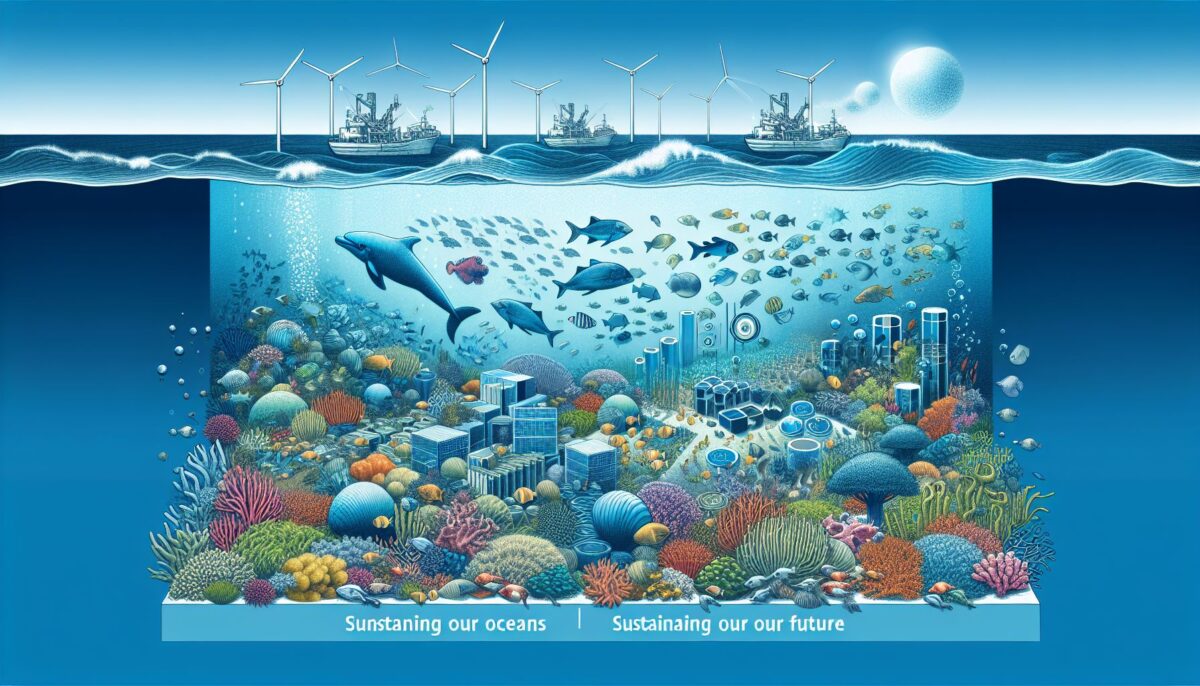
The concept of the “Blue Economy” is a rich and rapidly evolving one, reflecting the fact that the health of the world’s oceans is inextricably linked to the health of our global economy. With the oceans covering over 70% of the Earth’s surface, they are a major player in global economics, supporting a wide range of industries, from fishing and tourism to international shipping and offshore drilling.

Understanding the Blue Economy

The term “Blue Economy” encompasses a broad spectrum of economic activities that derive from the sea and coasts. This includes traditional sectors such as fisheries, shipping, and tourism, as well as emerging industries like aquaculture, marine biotechnology, and ocean energy.

Fisheries and Aquaculture: Feeding the World

The fishing industry is a fundamental part of the Blue Economy, providing livelihoods to millions of people around the world. According to the Food and Agriculture Organization (FAO), fisheries and aquaculture assure the livelihoods of 10-12% of the world’s population. Aquaculture is among the fastest-growing food sectors and can contribute greatly to food security if managed sustainably.

Shipping and Ports: The Backbone of Global Trade

Maritime trade is the lifeblood of the global economy, with over 90% of world trade being carried by sea (UNCTAD – United Nations Conference on Trade and Development). Ports serve as the gateways for goods and commodities, making the efficient and sustainable management of these services crucial for a thriving Blue Economy.

Tourism: Preserving Coastal Gems

Coastal and marine tourism, the largest segment of the Blue Economy, is heavily dependent on healthy marine ecosystems. Tourists flock to pristine beaches, corals reefs, and vibrant marine life demonstrating the direct link between environmental sustainability and economic gain.

Emerging Sectors: Harnessing the Power of Innovation

In addition to traditional uses of the ocean’s bounty, the Blue Economy includes newer sectors like marine renewable energy – wave and tidal – which offer the promise of providing a significant portion of future clean energy needs.

Challenges Facing the Blue Economy

The ocean’s health is under threat from a range of issues, which presents significant challenges for those industries that operate within the Blue Economy.

Overfishing: Emptying our Oceans

Overfishing is a serious threat to marine biodiversity, and it undermines the renewal of fish stocks, harming the long-term viability of fisheries. According to the World Wildlife Fund (WWF), around 52% of fish stocks are fully exploited, with another 17% overexploited.

Pollution: Choking Marine Life

Marine pollution, from land-based sources including plastics and nutrients, as well as from maritime activities such as oil spills, affects every aspect of ocean life. The United Nations estimates that marine litter, particularly plastic litter, kills up to 1 million seabirds, 100,000 sea mammals, marine turtles, and countless fish annually.

Climate Change: Warming and Rising Seas

Oceans are becoming warmer and more acidic due to increases in atmospheric CO2 levels. This exacerbates coral bleaching and affects many marine species, disrupting ecosystems. Rising sea levels due to climate change pose an existential threat to low-lying nations and coastal communities.

Strategies for Sustainable Blue Economy

The future of the Blue Economy depends on the sustainable management of ocean resources. It requires cooperative strategies that balance economic use with conservation efforts.

Marine Protected Areas (MPAs): Safeguarding Biodiversity

One strategy for preserving marine biodiversity is the establishment of Marine Protected Areas (MPAs). MPAs are designated regions where human activity is regulated to conserve the environment. They can contribute to replenishing fish stocks and protect ecosystems.

Coastal Management: Adapting to Change

Adaptive coastal management practices, from restoring wetlands to erecting sea walls, help communities deal with the impacts of sea-level rise and increasing storm activity.

Policy and Governance: International Cooperation

Global coordination is key to managing the oceans sustainably. The United Nations has defined Sustainable Development Goal 14 (Life Below Water) which emphasizes the conservation and sustainable use of the oceans, seas, and marine resources.

The Blue Economy in Action

Several countries and regions are pioneering ways to tap into the Blue Economy while protecting marine resources.

  • Norway is investing in sustainable fish farming technology and has become a world leader in salmon aquaculture.
  • In the Caribbean, countries are developing strategies to protect their tourism-driven economies from the impacts of climate change.
  • Seychelles launched the world’s first sovereign blue bond in 2018 to fund marine projects that benefit the environment and communities.

Conclusion

The concept of the Blue Economy rests on the realization that the sustainable management of ocean resources is not merely an environmentalist’s agenda but a development and economic imperative. Investments in sustainable practices, innovations in conservation and energy, and international cooperation can unlock the vast potential of our oceans while safeguarding them for future generations.

Sources

  1. Food and Agriculture Organization of the United Nations. (n.d.). FAO and the SDGs. http://www.fao.org/sustainable-development-goals/indicators/1411/en/
  2. United Nations Conference on Trade and Development. (n.d.). Review of Maritime Transport 2020. https://unctad.org/webflyer/review-maritime-transport-2020
  3. World Wildlife Fund. (n.d.). Overfishing. https://www.worldwildlife.org/threats/overfishing

The Blue Economy encompasses a mindset change, from exploiting to nurturing the wealth of the oceans for a sustainable and inclusive future. Accepting this challenge is not only an environmental imperative; it is the foundation for ongoing human prosperity.