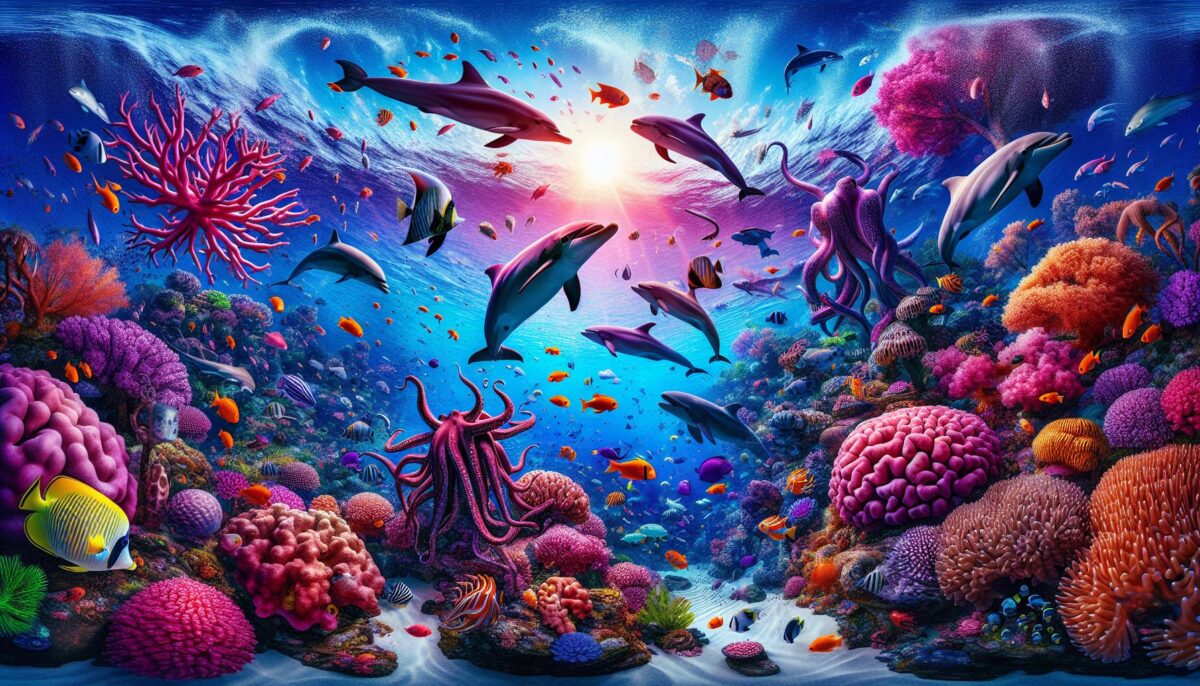
Marine life refers to the vast array of species that reside in the world’s oceans and seas. The ocean is an immense habitat, stretching across millions of square miles and plunging to depths of several miles below the surface. This vast, watery realm is home to an incredible diversity of organisms, from the tiniest plankton to the largest whales. In this article, we will explore the composition, importance, threats, and conservation efforts surrounding marine biodiversity.
What is Marine Life?
Marine life encompasses all living organisms that call the ocean their home. This includes a wide variety of creatures, such as:
- Microorganisms: Tiny life forms such as bacteria and phytoplankton, which form the base of the oceanic food chain.
- Invertebrates: Animals without backbones, such as jellyfish, corals, crustaceans, and mollusks.
- Fishes: A diverse group of gill-bearing aquatic creatures, from tiny clownfish to massive shark species.
- Marine mammals: Animals such as dolphins, whales, and seals that spend most of their lives in the sea.
- Seabirds: Bird species that are intricately linked to the marine environment for feeding and breeding.
Marine species occupy different habitats ranging from coastal ecosystems, like estuaries and coral reefs, to the open ocean and deep-sea environments.
The Importance of Marine Biodiversity
Marine biodiversity is essential for several reasons:
- Ecological Balance: Diverse marine communities contribute to the stability and resilience of the ocean ecosystem.
- Food Security: Many human populations depend on fish and other marine organisms as a primary food source.
- Economic Value: Marine ecosystems support industries like fisheries, tourism, and pharmaceuticals.
- Biogeochemical Cycles: Marine organisms play a crucial role in global cycles of nutrients like carbon, nitrogen, and oxygen.
- Medicinal Resources: Many marine species produce unique compounds that are used in medicines.
Threats to Marine Life
The rich tapestry of life in our oceans is facing significant threats. Some of the primary challenges include:
- Overfishing: Exploitative fishing practices have led to the depletion of several fish populations.
- Habitat Destruction: Coastal development, destructive fishing methods, and bottom trawling disrupt marine habitats.
- Pollution: Marine debris, nutrient runoff, chemical pollutants, and oil spills harm marine organisms.
- Climate Change: Rising temperatures and ocean acidification affect species’ survival and distribution.
- Invasive Species: Non-native species can unbalance ecosystems by outcompeting or preying upon native marine life.
Conservation of Marine Life
With the growing awareness of threats to marine biodiversity, several conservation efforts are underway:
- Marine Protected Areas (MPAs): Establishing MPAs helps to protect habitats and species from human exploitation.
- Sustainable Fisheries: Implementing quotas and sustainable fishing practices helps to ensure long-term viability of fish stocks.
- Pollution Control: Efforts to reduce pollution include better waste management practices and stricter regulations.
- Climate Action: Reducing greenhouse gas emissions can mitigate climate change’s impact on the oceans.
- Research and Monitoring: Ongoing scientific research on marine ecosystems promotes better understanding and management.
Conclusion
The ocean’s marine life is a complex, interconnected web of species and habitats. As the guardians of this vast domain, it is our responsibility to understand and protect the biodiversity within it. Measures such as establishing protected areas, regulating fishing, and reducing pollution are crucial. By doing so, we preserve not only the natural beauty of our oceans but also the countless benefits that marine ecosystems provide to humanity.
Sources
- “Marine biodiversity.” World Wildlife Fund. WWF Marine Biodiversity
- “Overfishing: A threat to marine biodiversity.” United Nations. UN Overfishing
- “Marine Protected Areas.” National Oceanic and Atmospheric Administration. NOAA MPAs
With the sheer magnitude and complexity of marine biodiversity, it’s nearly impossible to encapsulate all aspects in a single article. However, it is our hope that this overview ignites a greater appreciation for the ocean’s living wealth and motivates continued learning and action towards its conservation.
