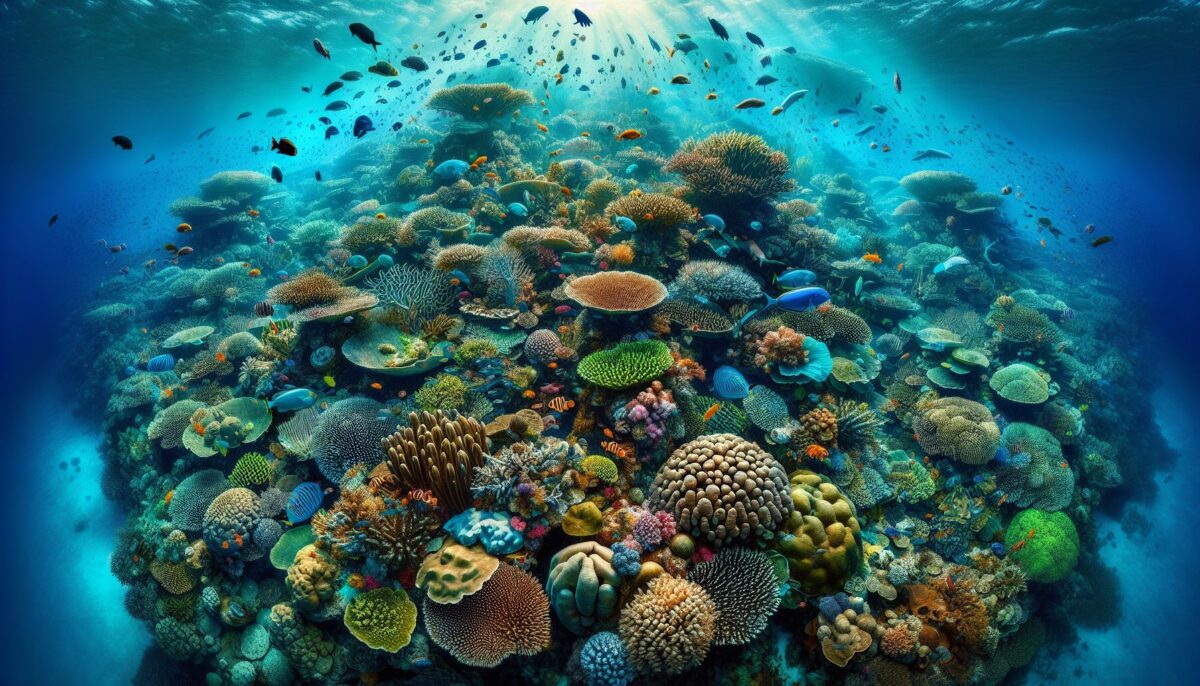
Coral reefs, often described as the rainforests of the sea, are one of the most diverse and valuable ecosystems on Earth. Home to an incredible variety of marine life, these underwater structures are not just crucial to ocean health but also to human economies and cultures. In this article, we will explore the world of coral reefs, their importance, the threats they face, and the efforts being made to protect and restore them.
What Are Coral Reefs?
Coral reefs are large underwater structures composed of the skeletons of colonial marine invertebrates called coral. Corals are tiny, soft-bodied organisms that belong to the class Anthozoa. Each coral secretes calcium carbonate to build a hard exoskeleton that protects its soft body. Corals live in symbiosis with algae called zooxanthellae, which provide corals with food through photosynthesis in exchange for shelter and carbon dioxide.
The Importance of Coral Reefs
Coral reefs provide numerous benefits to the marine environment and human societies:
- Biodiversity: Reefs support an estimated 25% of all marine species despite covering less than 1% of the ocean floor [1].
- Coastal protection: The physical structure of coral reefs dissipates wave energy, protecting shorelines from erosion and storm damage [2].
- Economic value: Reefs contribute to economies through fisheries, tourism, and medicine. They generate billions of dollars annually and support millions of jobs around the world.
- Cultural significance: Many cultures have strong connections to coral reefs, which are integral to their heritage and daily lives.
The Architecture of Coral Ecosystems
Coral reefs are divided into three main types: fringing reefs, barrier reefs, and atolls.
- Fringing reefs are the most common type, developing directly off a coast.
- Barrier reefs are parallel to the coast but separated by deeper, open water.
- Atolls are circular reefs that surround a lagoon, often forming over sinking volcanic islands.
A Hub for Marine Life
The complex structures of coral reefs provide numerous habitats, making them hotspots for marine life. They host various species of fish, mollusks, crustaceans, echinoderms, and many other groups. Reefs also serve as nurseries for young fish, offering protection from predators and abundant food resources.
The Threats to Coral Reefs
Despite their importance, coral reefs face immense threats from both local and global stressors:
- Climate Change: Rising sea temperatures lead to coral bleaching, where corals expel their symbiotic algae, leading to starvation and death [3].
- Ocean Acidification: Increased levels of CO2 cause oceans to become more acidic, affecting corals’ ability to produce their calcium carbonate skeletons.
- Overfishing: Depletes key reef species and alters the ecological balance.
- Destructive fishing practices: Methods like blast fishing destroy reef structures.
- Land-based pollution: Runoff containing pesticides, nutrients, and sediments can suffocate or poison coral reefs.
- Marine debris: Plastic waste can smother corals and entangle marine life.
- Unsustainable tourism: Physical damage from anchors, trampling, and improper waste disposal harms reefs.
Conservation and Restoration Efforts
In response to these threats, numerous conservation and restoration programs have been launched worldwide:
- Marine Protected Areas (MPAs): Regions where human activities are regulated to protect the marine environment.
- Coral Farming: Growing corals in nurseries and transplanting them onto damaged reefs.
- Reducing Local Stressors: Implementing better fishing practices and pollution control.
- Global Initiatives: Efforts like the International Coral Reef Initiative (ICRI) aim to promote reef resilience and sustainable use.
Advocacy and Education
Public awareness and education are crucial for coral reef conservation. Teaching people the value of reefs and how to protect them can foster a more environmentally conscious society. Additionally, supporting sustainable seafood and reducing carbon footprints are steps everyone can take to aid reef conservation.
The Role of Research
Ongoing scientific research is vital for understanding reef dynamics, the impacts of stressors, and the best approaches to reef management and recovery. Institutions and universities around the globe are dedicated to marine research, bringing us closer to protecting these ecosystems.
The Future of Coral Reefs
The health of coral reefs is a clear indicator of our overall ocean health. To ensure their survival, it is imperative that actions are taken now to mitigate the threats they face. With continued global cooperation, funding, and local action, there is hope for the future of these vibrant ecosystems and the vast array of life they support.
Sources
- Wilkinson, C. (2008). Status of Coral Reefs of the World: 2008. Global Coral Reef Monitoring Network and Reef and Rainforest Research Centre, Townsville, Australia.
- Sheppard, C., Davy, S.K., Pilling, G.M. (2009). The Biology of Coral Reefs. Oxford University Press.
- Hughes, T.P., Kerry, J.T., Álvarez-Noriega, M., et al. (2017). “Global warming and recurrent mass bleaching of corals,” Nature, 543, pp. 373–377. Nature.com
With a concerted effort across nations, industries, and individuals, we can ensure that coral reefs continue to thrive for future generations. While the challenges are significant, the unity in purpose and commitment to change can turn the tide for these invaluable ecosystems.
