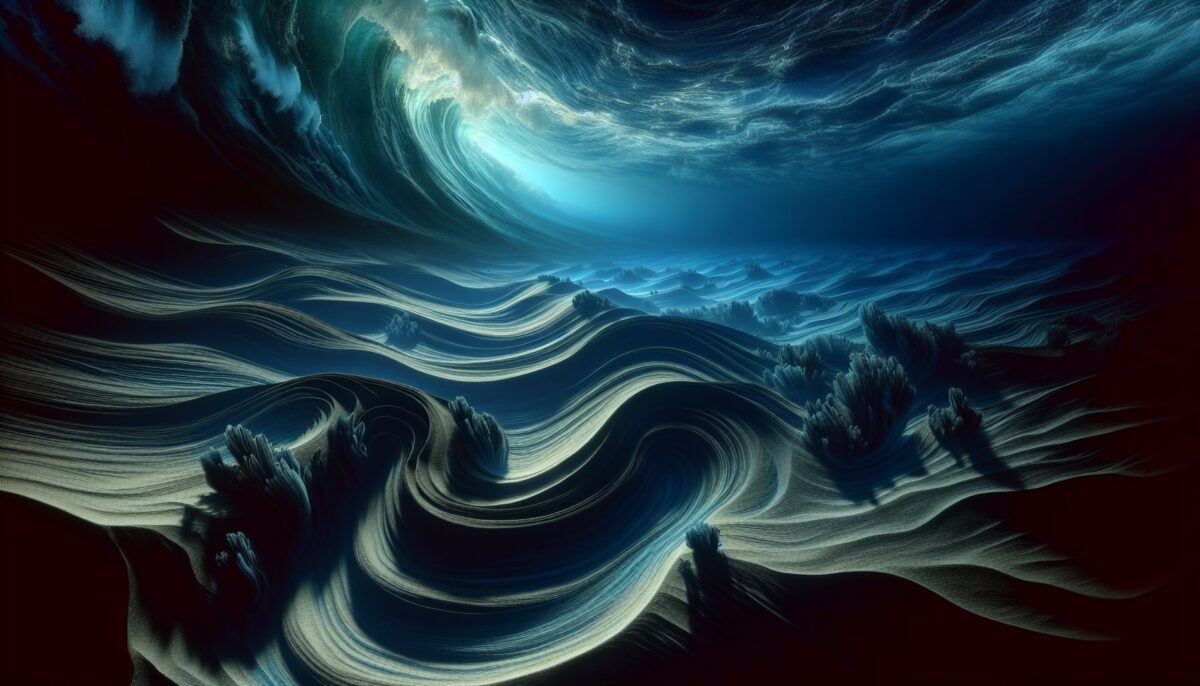
The ocean is an immense body of water that covers over 70 percent of the Earth’s surface, and within this vast expanse, a complex system of currents ebbs and flows, shaping the marine environment and influencing weather patterns, marine life, and human activity. Marine currents, one of the cornerstone phenomena of oceanography, are fascinating to explore due to their diverse origins, effects, and significance. In this article, we will delve into the intricate world of marine currents, their causes, types, and the crucial role they play in the ecological and economic aspects of our planet.
What Are Marine Currents?
Marine currents are continuous, directed movements of sea water generated by a variety of forces acting upon the water, including wind, the Coriolis effect, gravitational pull from the moon, and the density differences in water masses due to temperature and salinity variations. These currents are highly influential in determining the climate of Earth’s adjacent land areas and are critical to marine life.
The Drivers of Currents
Wind-Driven Circulation
Wind plays a major role in the creation of surface currents. The interaction between the wind and the surface of the ocean can push water to form currents that often align with the prevailing wind direction. These are also subject to the Coriolis effect, a result of the Earth’s rotation causing the currents to veer to the right in the Northern Hemisphere and to the left in the Southern Hemisphere.
Thermohaline Circulation
Density-driven forces create deep ocean currents in a process known as thermohaline circulation. These currents are generated by differences in temperature (thermo) and salinity (haline), leading to the formation of currents that drive the flow of deep and surface water masses around the globe, contributing to global heat distribution.
Types of Currents
Surface Currents
Surface currents comprise about 10% of all the water in the ocean and are primarily driven by wind. They occur at ocean surfaces and generally follow the pattern of major wind belts. For example, the Gulf Stream in the North Atlantic Ocean is one of the most powerful surface currents, influenced by the Westerlies and Trade Winds.
Deep Ocean Currents
Deep ocean currents, in contrast, are involved with thermohaline circulation and can be much slower-moving than surface currents. They are crucial in the long-term regulation of Earth’s climate by transporting heat from the equator to the poles.
The Significance of Currents
Climate Regulation
Marine currents play an essential role in regulating the Earth’s climate. By transferring warm water and precipitation from equatorial regions to higher latitudes, currents maintain a balance that is vital for a habitable climate worldwide.
Marine Biodiversity and Ecosystems
Currents influence the distribution of nutrients and temperature in the ocean, which in turn affect the distribution of marine life. Entire ecosystems, such as kelp forests and coral reefs, depend on the currents for survival, making them an integral part of oceanic health.
Human Activities
Marine currents impact human activities such as navigation, shipping, and fishing. Knowledge of currents allows for planning more efficient shipping routes, which saves time and fuel. Moreover, circulating sea surface currents can spread nutrients that increase fish stocks in certain areas, boosting local fisheries.
Energy Generation
The kinetic energy from marine currents also holds potential for renewable energy sources. Technologies such as tidal and wave energy converters are being developed to capture this energy, providing sustainable alternatives to fossil fuels.
Human Impact On Marine Currents
Climate Change
Climate change is affecting ocean currents in unpredictable ways. Changes in temperature and the melting of polar ice are altering the thermohaline circulation. This could potentially disrupt weather patterns and marine ecosystems that have adapted to the current climate conditions.
Pollution
Pollution can influence currents by altering the density and composition of sea water. Oil spills, for instance, create surface films that can slow down wind-driven currents, disrupting the natural flow of the ocean.
Obstruction
Human structures like ports, harbors, and offshore drilling rigs can impede the natural course of currents, which may result in changes to sediment transportation and erosion patterns along coastlines.
The Future of Marine Current Research
Marine current research is becoming increasingly vital as the impacts of climate change and human activity continue to grow. Advancements in oceanography equipment and techniques, such as satellite observation and autonomous underwater vehicles, are providing more data than ever before.
The more we understand the complexities of marine currents, the better we can predict their changes and prepare for their consequences, both for marine environments and for human societies that are interconnected with the ocean in innumerable ways.
As we continue into the 21st century, humanity is tasked with developing more sustainable practices in harmony with the planet’s life-sustaining marine currents. In doing so, we protect not only the oceans but also the essence of life as we know it.
Conclusion
Marine currents indeed represent the dynamic lifeblood of the world’s oceans, influencing climate, marine biology, and human societies in countless ways. As essential conveyors of heat, nutrients, and energy, they are the undercurrents that keep the intricate systems of our planet in balance. As such, understanding, respecting, and preserving the integrity of these oceanic flows is paramount for future generations. Let us continue to support and advance marine science research, conservation, and sustainable practices to ensure the healthy circulation of marine currents that are central to life on Earth.
Sources
- National Oceanic and Atmospheric Administration (NOAA) – Ocean Service: Ocean Currents
- National Geographic – Ocean Currents and Climate
- Intergovernmental Panel on Climate Change (IPCC) – Climate Change 2021: The Physical Science Basis
