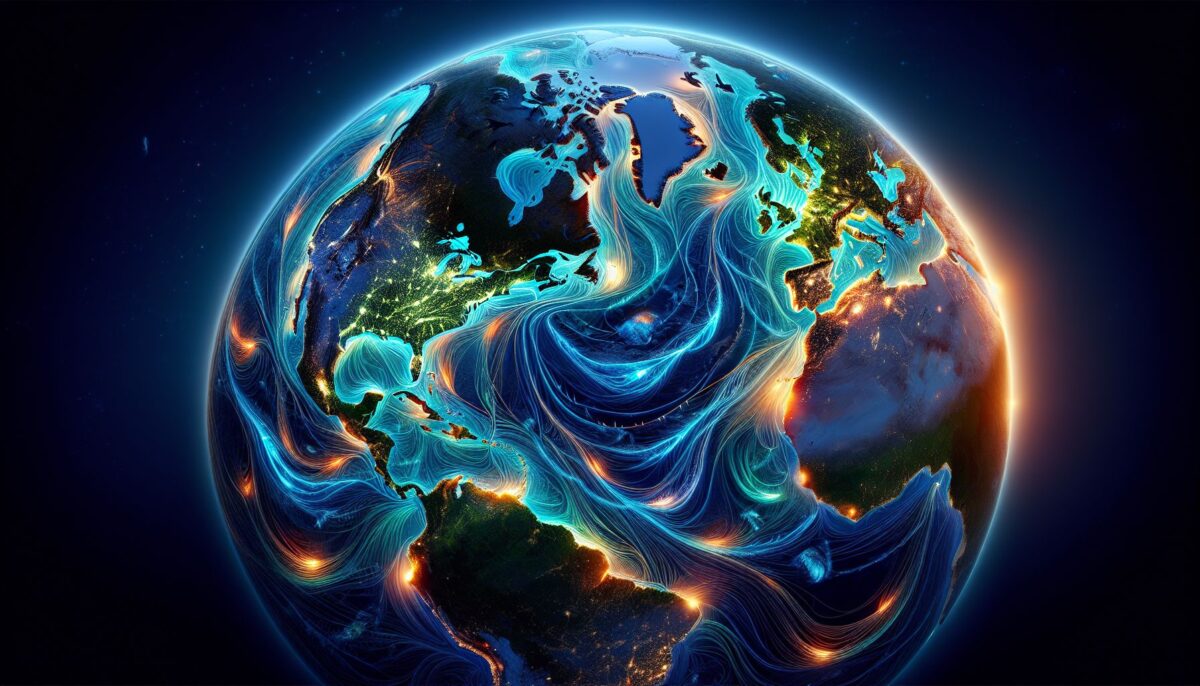
The ocean is the lifeblood of Earth, playing a crucial role in regulating the world’s climate and supporting marine biodiversity. At the heart of the ocean’s influence lie the ever-flowing movements known as ocean currents. Understanding these currents is not only fascinating from a scientific perspective, but it is also paramount for the well-being of our planet and the future of mankind.
In this extensive exploration, we will delve into the world of ocean currents, uncovering their mysteries, importance, and the challenges they face in the era of climate change. Punctuating this journey with credible sources, we will gain insights from the National Oceanic and Atmospheric Administration (NOAA), the Intergovernmental Panel on Climate Change (IPCC), and leading marine research bodies.
What Are Ocean Currents?
Ocean currents are continuous, directed movements of sea water generated by various forces acting upon the water, including wind, the Coriolis effect, temperature differences, and tides. These currents shape climate patterns, transport nutrients and organisms, and even influence human activities such as maritime trade.
Surface Currents vs. Deep Water Currents
Ocean currents can be categorized as surface currents, which consist of the upper 400 meters of the sea, and deep water currents, found deeper in the ocean. Surface currents are primarily driven by wind and the Earth’s rotation, while deep water currents result from variations in water density, affected by temperature and salinity—a process known as thermohaline circulation.
The Importance of Ocean Currents
Climate Regulation
One of the most significant roles that currents play is in the regulation of the Earth’s climate. The Gulf Stream, a well-known warm-water surface current, is responsible for the moderate climate in Northwestern Europe. Similarly, currents in the Southern Ocean around Antarctica play a critical part in distributing heat across the planet.
Nutrient and Organism Transport
Nutrient-rich waters from the deep are brought to the surface through a process called upwelling. This supports marine life by supplying essential nutrients, which sustain large fish populations and, subsequently, fisheries and local economies. Ocean currents also aid in the dispersal of marine organisms, influencing the biodiversity of different regions.
Human Impact
Maritime trade benefits significantly from ocean currents. Ships often use currents to save fuel and time, which is economically advantageous. Currents also influence fishing, recreational boating, and undersea navigation.
The Forces Behind Ocean Currents
To grasp the complexities behind ocean currents, let’s look at the primary forces that influence them:
Wind
Winds blowing across the surface of the ocean push the water, creating currents. The global wind patterns, such as the trade winds and westerlies, profoundly affect current patterns.
Coriolis Effect
The Earth’s rotation causes a deflective force, the Coriolis effect, which acts on ocean currents. In the Northern Hemisphere, this force deflects currents to the right, while in the Southern Hemisphere, it deflects them to the left.
Water Density Differences
Differences in water density, resulting from variations in temperature and salinity, lead to changes in water mass movements. Cold, salty water tends to sink, driving deep water currents in a process known as thermohaline circulation.
Tides
Tidal forces exerted by the moon and sun generate tidal currents, which flow in and out of bays and estuaries and can be particularly strong.
The Effects of Climate Change on Ocean Currents
Ocean currents are not immune to the effects of climate change. The IPCC has reported significant changes in the strength and direction of some currents due to the warming of ocean waters and the melting of polar ice. These alterations can have far-reaching impacts on climate systems, marine ecosystems, and coastal conditions.
Melting Ice Caps and Ocean Circulation
The melting of polar ice caps introduces large volumes of freshwater into the oceans. This influences the salinity and density of the seawater, potentially disrupting the thermohaline circulation.
Altered Marine Ecosystems
Shifts in currents affect marine ecosystems by changing the distribution of nutrients and altering habitats. This leads to the migration of species and affects global biodiversity.
Rising Sea Levels and Coastal Erosion
Climate change exacerbates sea-level rise and coastal erosion, partly due to changing currents. This represents a significant threat to coastal communities and infrastructure.
The Role of Research and Monitoring
Extensive research and monitoring are essential in understanding the behavior of ocean currents and the ways in which they are changing. Programs like the Global Ocean Observing System (GOOS) provide invaluable data for climate prediction models and environmental monitoring.
Future Challenges and Adaptation
As ocean currents continue to change, humanity must adapt to the new challenges posed by altered maritime routes, shifting fishery patterns, and the need for robust coastal defense strategies against sea-level rise and storm surges.
Conclusion
Oceans currents are the silent powerhouses of our planet. They are essential to the health of the marine environment and have an outsized influence on global climate and human societies. As we navigate the clear changes brought upon by climate change, understanding and preserving the integrity of these marine highways is more critical than ever. With targeted research, international cooperation, and a commitment to sustainability, we can harness the knowledge of ocean currents to safeguard our future and the rich biodiversity of our blue planet.
Sources:
- National Oceanic and Atmospheric Administration (NOAA): https://www.noaa.gov/
- Intergovernmental Panel on Climate Change (IPCC): https://www.ipcc.ch/
- Global Ocean Observing System (GOOS): http://www.goosocean.org/
By exploring the depths of ocean currents, not only do we expand our knowledge but we also take proactive steps to ensure the health and vitality of our oceans for generations to come.
