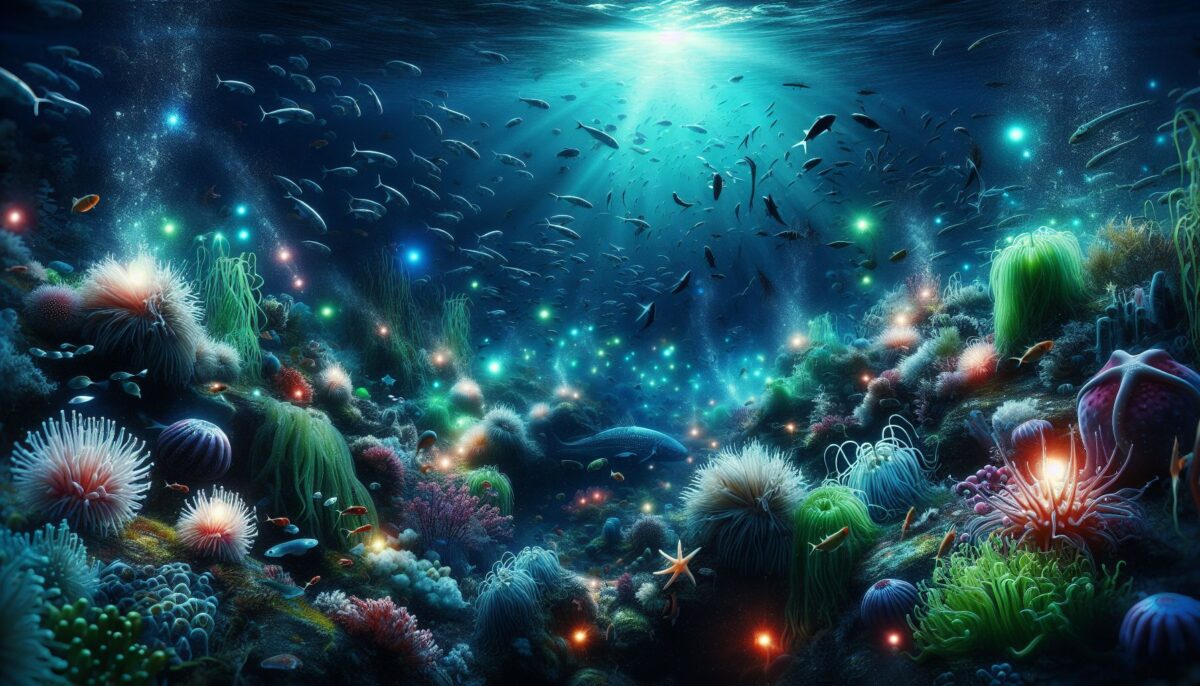
The ocean, a vast and magnificent entity that encompasses about 71% of the Earth’s surface, is home to a teeming universe of life. Beneath the rhythmic dance of the waves lies an intricate web of ecological interactions, a complex system of lifeforms ranging from the minuscule plankton to the enormous blue whale. In this deep dive, we unravel the mysteries of marine biodiversity: the variety and variability of lifeforms within the ocean and the complex ecosystems they form. Understanding marine biodiversity is not merely an academic exercise—it’s essential for the health of our planet and the well-being of all who inhabit it.
The Scope of Marine Biodiversity
Marine biodiversity is the diversity of species that lives in the ocean, from the surface to the deepest trenches, and the genetic diversity within those species. It includes the variety of ecosystems found in different oceanic regions, from coral reefs to the dark abyssal plains.
Coral Reefs: Rainforests of the Sea
Coral reefs, often referred to as the “rainforests of the sea,” are one of the most diverse ecosystems on Earth. These underwater structures are formed by coral polyps, tiny animals related to jellyfish and anemones, which secrete calcium carbonate to build protective limestone skeletons. The resulting reefs provide habitats and shelter for approximately 25% of all marine life despite covering less than 0.1% of the ocean floor.
The Deep Sea: Exploring Uncharted Territories
Contrary to the vibrant life of coral reefs, the deep sea is a mysterious world of extreme conditions. It is the largest habitat on Earth, stretching beyond the continental shelves and into the abyssal depths. Organisms here have evolved unique adaptations to survive in complete darkness, immense pressure, and cold temperatures. Bioluminescence — the ability to produce and emit light — is a common feature among deep-sea creatures, used for attracting prey and finding mates.
Open Ocean: The Marine Wilderness
The open ocean, or pelagic zone, is the vast, open water that lies beyond the coastal shelves. It’s here that you find the large marine mammals, such as whales and dolphins, and migratory species like sharks and tuna. This zone is characterized by its own set of migratory routes, feeding grounds, and breeding areas vital for the marine life it supports.
The Importance of Marine Biodiversity
Ecosystem Services and Human Reliance
Marine biodiversity is not an isolated wonder; rather, it is tightly linked to human survival. The ocean provides numerous ecosystem services such as food from fisheries and aquaculture, medicine derived from marine organisms, and protection from coastal erosion. Additionally, marine ecosystems like mangroves and seagrass beds sequester huge amounts of carbon, helping to regulate the global climate.
The Threats Facing Marine Life
Overfishing
Overfishing has significantly depleted fish stocks around the world. According to the Food and Agriculture Organization (FAO), about 34.2% of global fish stocks are overfished. Depleting these populations not only threatens the species involved but also destabilizes the entire marine food web.
Pollution
Marine pollution comes from various sources — land runoff, plastic debris, and oil spills, to name a few. It causes immediate damage to marine life and can have long-lasting effects on entire ecosystems. For instance, plastic waste can strangle, suffocate, and starve creatures, while oil spills coat mammals’ fur, impairing their insulation, and poison a plethora of organisms through ingestion.
Climate Change
Climate change, driven by human activity, is warming ocean temperatures and causing widespread disturbances in marine ecosystems. Two prominent issues are ocean acidification and coral bleaching. Ocean acidification occurs as seawater absorbs CO2 and becomes more acidic, which disrupts the ability of organisms such as shellfish and corals to form their calcareous skeletons and shells. Coral bleaching happens when corals expel the symbiotic algae living in their tissues due to stress from warmer water temperatures, leading to the algae’s loss and the coral starving.
Protecting Marine Biodiversity
Marine Protected Areas (MPAs)
One method for preserving marine biodiversity is the establishment of Marine Protected Areas (MPAs). MPAs limit human activities like fishing and drilling, providing a sanctuary for marine life to recover and thrive. According to the Marine Conservation Institute, there are over 17,000 MPAs worldwide, covering approximately 7.65% of the global ocean.
Sustainable Practices
Sustainable fishing and seafood consumption can alleviate the pressure on fish stocks and help maintain balanced marine ecosystems. The promotion of practices like catch shares and bycatch reduction techniques can help ensure a future where oceans continue to be bountiful.
International Conventions
Several international agreements aim to protect marine biodiversity. The United Nations Convention on the Law of the Sea (UNCLOS) and the Convention on Biological Diversity (CBD) set out legal frameworks and guidelines for the conservation and sustainable use of marine resources.
The Future of Marine Biodiversity
As technology advances, our capacity to explore and understand the ocean increases. New species are discovered regularly, adding to the kaleidoscope of life beneath the waves, and emphasizing the need for continued research and conservation efforts. With the global focus turning towards the blue economy — balancing economic growth with the health of marine systems — preserving marine biodiversity has never been more crucial.
Innovations in Research
Advancements in remote sensing technologies, like autonomous underwater vehicles (AUVs), have revolutionized our exploration capabilities. Coupled with the burgeoning field of marine omics (genomics, proteomics, and metabolomics), we are poised to uncover the complex genetic and molecular relationships that govern marine life.
Education and Outreach
Education plays a pivotal role in marine conservation. By raising awareness about the importance of marine biodiversity and the threats it faces, individuals can be inspired to take action. Outreach programs and citizen science initiatives empower communities to engage in conservation efforts and influence policy.
Policy and Management
The development and implementation of effective marine policy and management practices are critical for the sustainability of ocean resources. Adopting ecosystem-based management (EBM) approaches can help harmonize the needs of marine wildlife with human activities. Furthermore, international cooperation is essential for addressing the transboundary nature of marine issues.
In Conclusion
Marine biodiversity is both a marvel of nature and an indispensable resource for humanity. From the cyanobacteria that gave our planet its oxygen-rich atmosphere to the great whales that traverse the ocean basins, the sea is alive with a diversity that is vital to the health of our planet. By understanding the value and vulnerability of marine life, we can better appreciate our oceans and work towards a sustainable future.
As we look to that future, let us remember the words of marine biologist Sylvia Earle: “With every drop of water you drink, every breath you take, you’re connected to the sea. No matter where on Earth you live.” Embracing this connection, we must strive to protect and cherish the extraordinary biodiversity that resides beneath the waves.
Sources
- Food and Agriculture Organization of the United Nations. (2020). The State of World Fisheries and Aquaculture 2020. https://www.fao.org/3/ca922
