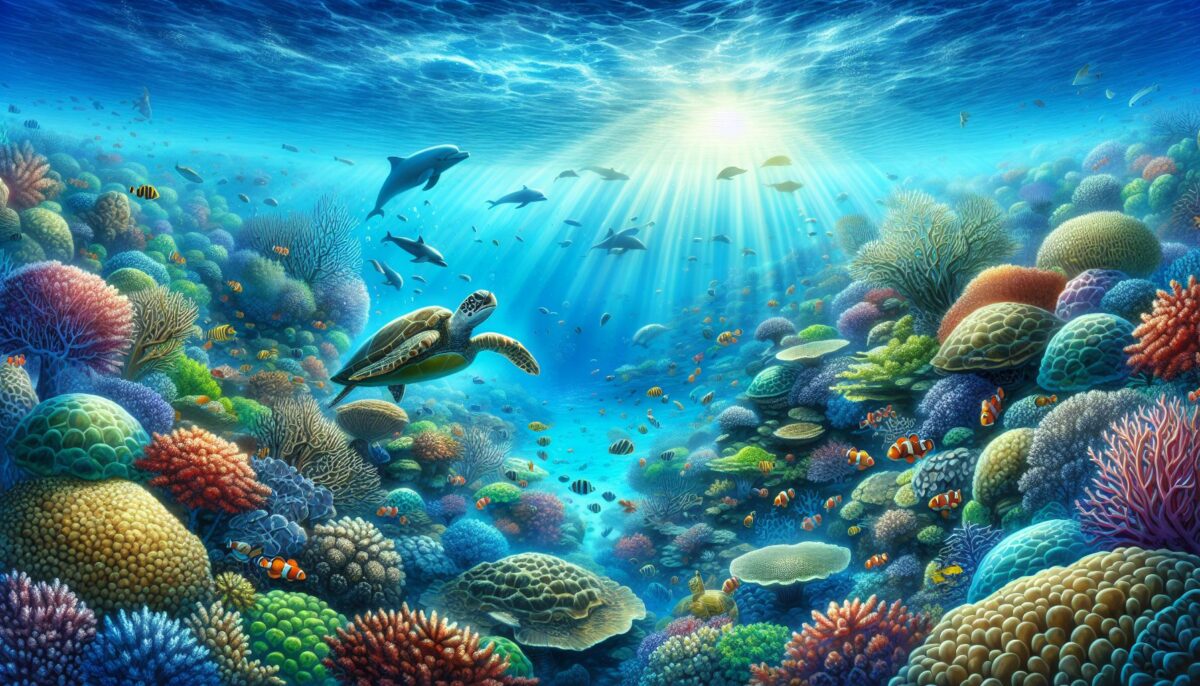
Coral reefs—often referred to as the “rainforests of the sea”—are one of the most biologically diverse ecosystems on the planet. Not only do they provide critical habitat for a plethora of marine species, but they also offer substantial economic, recreational, and environmental benefits to humans. This article explores the importance of coral reefs, the threats they face, and the ongoing efforts to protect and sustain these vital marine resources for the future.
What Are Coral Reefs?
Coral reefs are underwater structures made from calcium carbonate secreted by corals, which are marine invertebrates belonging to the phylum Cnidaria. Corals live in compact colonies and when they die, the skeletal remains add to the structure of the reef. These reefs host a spectacular variety of marine life and are found in the shallow, warm waters of the tropics and subtropics.
Types of Reefs
There are primarily three types of coral reefs:
- Fringing Reefs: These are the most common type of reefs and grow directly from a coastline.
- Barrier Reefs: Larger and more offshore, these reefs run parallel to the shore, with deeper lagoons between them and the land.
- Atolls: These are circular reefs that often surround a lagoon and are usually found in the middle of the sea, often forming around sunken islands.
Ecological Importance of Reefs
Coral reefs are vital to the health of our oceans for several reasons:
- Biodiversity: Reefs provide habitat and shelter for nearly 25% of our ocean’s fish, despite covering less than 1% of the ocean floor.
- Food Chain: They play a fundamental role in the larger marine food chain, supporting life from tiny plankton to large predator fish and marine mammals.
- Nursery Grounds: Many ocean species use coral reefs as nursery grounds for their young until they are big enough to venture into the open sea.
The Economic and Social Contributions
- Fishing and Aquaculture: Reefs support fisheries and aquaculture that supply seafood to billions of people worldwide.
- Tourism and Recreation: The natural beauty of reefs makes them popular for tourism, benefiting local economies.
- Coastal Protection: Reefs act as natural breakwaters, reducing wave energy and protecting shorelines from erosion and storms surges.
The Blue Economy
The concept of the “Blue Economy” is an economic framework that seeks sustainable use of ocean resources for economic growth, improved livelihoods, and ocean ecosystem health. Coral reefs are a cornerstone in this economic model, contributing to various sectors, including biotechnology, pharmaceuticals, and even fashion.
The Threats to Coral Reefs
Despite their importance, reefs are under threat from a variety of sources:
- Climate Change: Rising sea temperatures cause coral bleaching, where corals lose their vibrant colors due to stress, often leading to death. Ocean acidification, another result of increased CO2 in the atmosphere, decreases the capacity of corals to build their calcium carbonate structures.
- Pollution: Nutrient runoff from agriculture, untreated sewage, and other pollutants can create algal blooms that smother reefs.
- Overfishing and Destructive Fishing Practices: These can deplete key reef species and destroy reef structure.
- Physical Damage: Anchoring on reefs, tourism, coastal development, and coral mining can cause physical harm to reefs.
The Role of Marine Protected Areas
One of the strategies to save and regenerate coral reefs is the establishment of Marine Protected Areas (MPAs). MPAs restrict certain activities to protect biodiversity and can help curb overfishing, reduce habitat destruction, and preserve ecological functions.
Conservation and Management Efforts
Organizations around the world have taken the challenge to protect and maintain coral reefs. Some of these efforts include:
- Reef Restoration and Coral Gardening: Advocates are growing corals in nurseries and replanting them on damaged reefs.
- Monitoring and Research: Ongoing scientific research helps better understand reef ecosystems and informs conservation strategies.
- Policy and Advocacy: Policies that reduce carbon emissions and regulate fishing practices help to mitigate the impact on reefs.
Sustainable Practices for the Future
To ensure the long-term survival of coral reefs, sustainable practices must be adopted worldwide:
- Sustainable Tourism: Tour operators and tourists must be conscious of their impact on reefs and act responsibly.
- Responsible Fishing: Sustainable fishing practices and quotas need to be enforced to prevent overfishing and bycatch.
- Reduction of Pollution: Reducing the use of harmful chemicals and improving waste management can alleviate the pollution that damages reefs.
In Conclusion
Coral reefs are essential not just for the myriad of species they support but also for the human communities that rely on them. Their protection calls for immediate international collaboration and local action. By understanding the delicate balance within reef ecosystems and our own impact upon them, we can ensure that these wondrous structures endure for future generations.
Sources
For readers interested in exploring more about coral reefs, their importance, and conservation efforts, the following sources provide valuable information:
- NOAA Coral Reef Conservation Program – coralreef.noaa.gov
- The United Nations Environment Programme (UNEP) – unep.org
- World Wildlife Fund – worldwildlife.org
By protecting coral reefs, we not only uphold the health of our oceans but also secure the ecological services that benefit humanity in countless ways. The journey to the sustained health of these vital ecosystems is complex, but with scientific understanding, effective management, and responsible stewardship, there is hope for a vibrant and resilient reef system around the globe.
