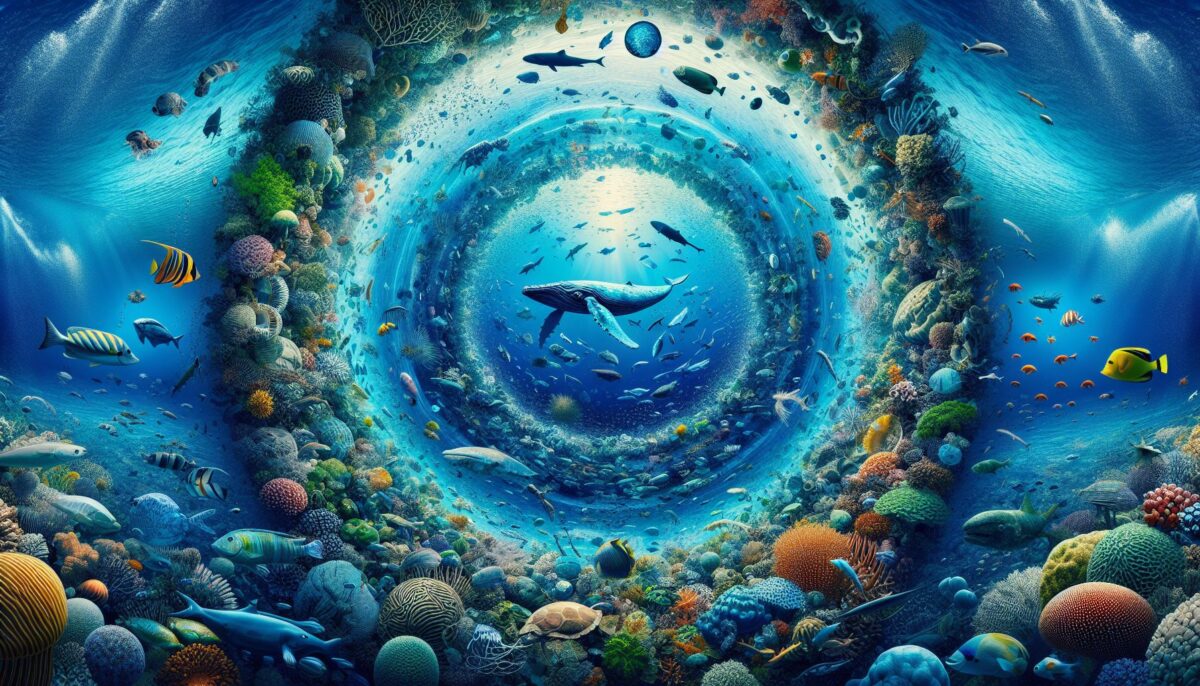
The world beneath the ocean’s surface is one of the most diverse and fascinating realms on our planet. Home to an estimated 50 to 80 percent of all life on Earth, the ocean covers more than 70% of the planet’s surface and contains more than 96% of Earth’s water. But within this vast expanse lies a tapestry of life that is rich, dynamic, and incredibly varied. In this article, we plunge into the depths of marine biodiversity, exploring the myriad of living organisms that call the ocean home, their interdependent relationships, the challenges they face, and the critical importance of conserving these precious ecosystems.
What is Marine Biodiversity?
Marine biodiversity encapsulates the variety and variability of organisms that inhabit the sea. It encompasses everything from the taxonomic, genetic, and ecosystem diversity within and between all oceanic species—from microscopic plankton to the colossal blue whale.
The Hierarchy of Marine Life
To fully appreciate marine biodiversity, we ought to consider its organization at multiple levels:
- Genetic Diversity: Genetic variations within a species. This level of diversity is crucial for adaptation and survival in changing environments.
- Species Diversity: Refers to the number of different species and the balance of their populations in a given ecosystem.
- Ecosystem Diversity: The diverse ecosystems found in the marine environment such as coral reefs, mangroves, deep-sea vents, and polar ice waters.
Diving into Different Marine Habitats
The ocean is split into different zones and habitats, each with its unique set of species and ecological interactions:
- Coastal Ecosystems: These areas are the most productive and biodiverse parts of the ocean. Estuaries, salt marshes, and mangrove forests are nurseries for many marine species.
- Coral Reefs: Often termed the “rainforests of the sea,” coral reefs are hotspots of biodiversity. They provide habitat for an estimated 25% of all marine species despite covering less than 1% of the ocean floor.
- Open Ocean: The vast body of water away from the coasts, known as the pelagic zone, has its layers teeming with life, from the sunlit upper layers down to the dark abyssal plains.
- The Deep Sea: This least explored and understudied habitat holds mysteries with extreme conditions and specially adapted life forms.
The Spectacle of Marine Species
Fish and Invertebrates
The oceans house more than 33,000 known species of fish, a number that is constantly rising with new discoveries. Invertebrates, such as crustaceans, mollusks, and coral, add considerably to the biodiversity of the marine world.
Marine Mammals and Birds
Marine mammals, including whales, dolphins, seals, and walruses, are quintessential to ocean ecosystems. The migratory patterns of seabirds also contribute to the dynamic nature of marine biodiversity.
Plankton: The Ocean’s Unsung Heroes
Plankton includes both phytoplankton (plant-like organisms) and zooplankton (tiny animals) which are critical to the marine food web. The base of the food chain, plankton supports the life of all higher marine organisms.
Impact of Human Activities
Regrettably, human activities are increasingly threatening marine biodiversity. Overfishing, habitat destruction, pollution, climate change, and ocean acidification are imperiling marine life at alarming rates.
Overfishing and Unsustainable Fisheries
Fisheries have a direct impact on marine populations. Overfishing not only reduces fish stocks but also alters food webs and marine ecosystem structures.
Pollution: From Plastic to Chemicals
Both visible pollution, like plastic waste, and invisible chemical contaminants, undermine the health of marine ecosystems. Marine debris can choke, trap, or starve marine life, while chemicals can disrupt hormonal systems.
Climate Change and Ocean Acidification
Rising sea temperatures due to climate change lead to consequences such as coral bleaching and the modification of species distribution patterns. Increased CO2 levels dissolve in the ocean, causing acidification that affects calcifying organisms and disrupts the marine balance.
Habitat Loss and Coastal Erosion
Expanding coastal development, along with destructive fishing methods like trawling, devastates critical habitats. Coastal erosion further diminishes the capacity of these ecosystems to sustain diverse marine life.
The Path Ahead: Conservation and Sustainable Use
Protecting the ocean’s biodiversity calls for concerted international efforts and sound policies that promote sustainable use and conservation.
Marine Protected Areas (MPAs)
MPAs can be highly effective in preserving marine biodiversity. By prohibiting or limiting human activity in these areas, they offer a refuge for endangered species and allow ecosystems to recover and thrive.
International Agreements
The Convention on Biological Diversity and the United Nations Sustainable Development Goal 14 aim to conserve and sustainably use the oceans, seas, and marine resources.
Citizen Science and Education
Raising awareness and educating the public on the importance of the ocean’s biodiversity is critical. Citizen science initiatives also encourage public participation in conservation efforts, contributing valuable data and fostering a connection with the marine environment.
Sustainable Practices in Fisheries and Aquaculture
Improving fishing practices and promoting sustainable aquaculture can alleviate the pressure on wild fish populations. Techniques like selective fishing gear, catch limits, and aquaculture that doesn’t harm local ecosystems are crucial.
Innovations in Plastic Use and Waste Management
Efforts to reduce plastic usage and improve waste management on land can significantly decrease marine pollution. Innovation plays a valuable role in developing biodegradable alternatives and recycling technologies.
Conclusion: The Urgent Call to Action
Marine biodiversity is not only an aesthetic and spiritual treasure but also a vital part of our planet’s life support system. It provides food, oxygen, and regulates our climate. The intricate balance of marine life is delicate, yet robust; majestic, yet vulnerable. It is abundantly clear that the fate of humanity is deeply intertwined with the health of our oceans.
Sources
- “Marine Biodiversity.” Convention on Biological Diversity. https://www.cbd.int/marine/
- “Ocean species discoverability and vulnerability revealed by genetic and historical data.” Pinsky et al. 2019. Science Advances. https://advances.sciencemag.org/content/5/5/eaau5719
- “Overfishing: A Threat to Marine Biodiversity.” United Nations. https://www.un.org/esa/dsd/resources/res_pdfs/csd-16/csds16_bp8.pdf
With increased awareness and dedicated action, we have the power to safeguard our irreplaceable oceans for future generations. It is not a legacy we should take for granted. The time to act is now.
In the vast silence of the deep, every creature, big and small, tells a story of a world hidden below, a world we have the responsibility to protect
