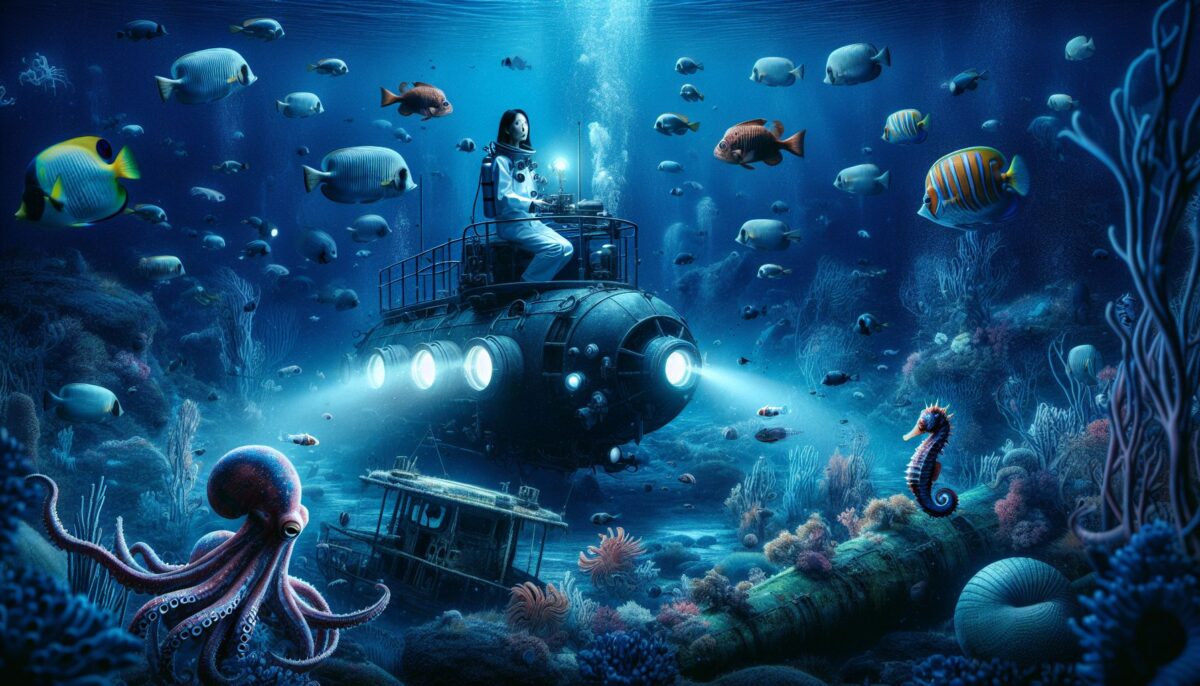
The planet’s oceans are vast expanses, covering over 70% of the Earth’s surface, and they hold many mysteries that humankind has yet to fully understand. Oceanography, the study of the physical, chemical, biological, and geological aspects of the ocean, is a field that seeks to uncover these secrets. This discipline is essential to our understanding of the world, as it affects climate regulation, biodiversity, and provides resources for human livelihood.
The Multifaceted Field of Oceanography
Oceanography is an integrative science that combines various disciplines to investigate the complexities of the ocean. A comprehensive understanding of oceanography is crucial, as it contributes to our global economy (referred to as the blue economy), impacts climate change, and is integral in conserving marine life. Here’s a look at the different areas of focus within oceanography:
Physical Oceanography
Physical oceanography involves the study of the ocean’s physical attributes, including currents, waves, tides, and the ocean-atmosphere interaction. These aspects are vital for understanding climate systems and for the navigation and operation of shipping industries.
- Currents: Ocean currents are large-scale flow patterns of water that have a profound impact on the climate. The Gulf Stream, for instance, is a strong ocean current that brings warm water from the Gulf of Mexico to the North Atlantic, affecting weather patterns in Europe and North America.
- Tides: These are the regular rise and fall of sea levels, primarily caused by the gravitational pull of the moon and the sun. Tides influence marine life and human activities like fishing and the operation of tidal energy facilities.
- Waves: Generated by the wind, waves play a crucial role in shaping the coastline and are fundamentally important for marine navigation and leisure activities.
Chemical Oceanography
Chemical oceanography deals with the chemical composition and properties of seawater. Understanding the ocean’s chemistry helps identify the water’s ability to absorb CO2 and how pollutants are distributed within marine environments.
- Salinity: The concentration of salt in seawater affects the density and circulation of the ocean waters.
- Nutrient Cycles: Nutrient distribution directly impacts marine life, as it dictates the availability of essential elements necessary for life, such as nitrogen and phosphorus.
- Ocean Acidification: A side effect of increased atmospheric CO2 is the lowering of the ocean’s pH levels, which can harm marine organisms, particularly those with calcium carbonate shells or skeletons.
Biological Oceanography
Biological oceanography examines life in the oceans, from microscopic plankton to the largest marine mammals. It also includes the study of ecosystems and food webs and how marine organisms adapt to their environments.
- Marine Biodiversity: The variety of life forms in the ocean is staggering, and many species are yet to be discovered.
- Marine Protected Areas: Designated zones in the ocean that restrict human activity have been established to preserve marine habitats and contribute to conserving biodiversity.
- Coral Reefs: Often called the rainforests of the sea, coral reefs are home to an extraordinary array of species and are vital to the health of the global marine environment.
Geological Oceanography
Marine geology is the study of the ocean floor and the geological processes that shape it. This includes the investigation of submarine topography, plate tectonics, and sedimentation.
- Seafloor Mapping (Bathymetry): Understanding the topography of the ocean floor is crucial for navigation, laying submarine cables, and oil extraction.
- Continental Shelf: These are the extended perimeters of each continent, which constitute shallow water areas conducive to rich marine life and are important regions for fishing and mineral extraction.
- Trenches and Ridges: Oceanic trenches are among the Earth’s most extreme environments, while mid-ocean ridges are areas of high geothermal activity where new seafloor is created.
The Importance of Oceanographic Research
Research in oceanography helps predict changes in climate and weather patterns, manage fisheries sustainably, and design marine reserves. Oceanographers use various technologies, such as satellites, autonomous underwater vehicles, and submersibles to explore and monitor the ocean.
Challenges Addressed by Oceanographic Study
- Climate Change: The study of oceans is essential for understanding how they absorb heat and CO2, which are critical components of the global climate system.
- Sea Level Rise: As global temperatures rise, so do sea levels, presenting significant risks to coastal communities and ecosystems.
- Coastal Erosion: Human activities, coupled with natural forces like waves and currents, lead to coastal erosion, threatening infrastructure and habitats.
Technological Advances in Oceanography
Advancements in technology have revolutionized the field of oceanography. High-tech equipment enables the collection of data on ocean temperatures, salinity levels, and even the genetic material of marine organisms.
- Remote Sensing: Satellites allow scientists to observe large-scale ocean phenomena, such as the El Niño event, from space.
- ROVs and AUVs: Remotely operated vehicles (ROVs) and autonomous underwater vehicles (AUVs) can reach the deepest trenches, bringing back images and data from these seldom-visited locales.
- Deep-Sea Drilling: Technologies that allow drilling into the seafloor enable scientists to study Earth’s history and the processes that shape our planet.
The Future of Ocean Exploration
Looking into the future, oceanography will continue to be crucial for navigating the challenges posed by a changing planet. The continued exploration and monitoring of the oceans will yield a better understanding of our world and may lead to discoveries of new resources, species, and insights into the history of life on Earth.
Sustainable Ocean Management
With the growth of the blue economy, sustainable management of ocean resources is paramount. Responsible fisheries, aquaculture practices, and the implementation of marine protected areas are key areas of focus to maintain the health of our oceans while supporting economic growth.
Global Efforts and Collaboration
International collaboration is the cornerstone of oceanographic research. Organizations like the Intergovernmental Oceanographic Commission of UNESCO and the International Maritime Organization play crucial roles in fostering cooperation among nations for the conservation of the marine environment and the sustainable use of its resources.
Conclusion
Oceanography is a gateway to understanding one of the most vital components of the Earth’s system. As we face the impacts of climate change and seek to harness the ocean’s resources for human benefit, it’s never been more urgent to expand our knowledge of the deep through oceanographic research.
Through continued exploration, we can hope to protect the beauty and diversity of marine life while securing a sustainable future for generations to come. The ocean holds answers to many of the challenges we face today, and by unraveling its mysteries, we stand to unlock a wealth of opportunities and knowledge.
Sources
- National Oceanic and Atmospheric Administration (NOAA): http://www.noaa.gov
- Intergovernmental Oceanographic Commission of UNESCO: https://ioc.unesco.org
- International Maritime Organization: http://www.imo.org
These trusted sources offer a wealth of information for those interested in learning more about oceanography and its importance in our world. Whether you are a curious layperson, an aspiring marine
