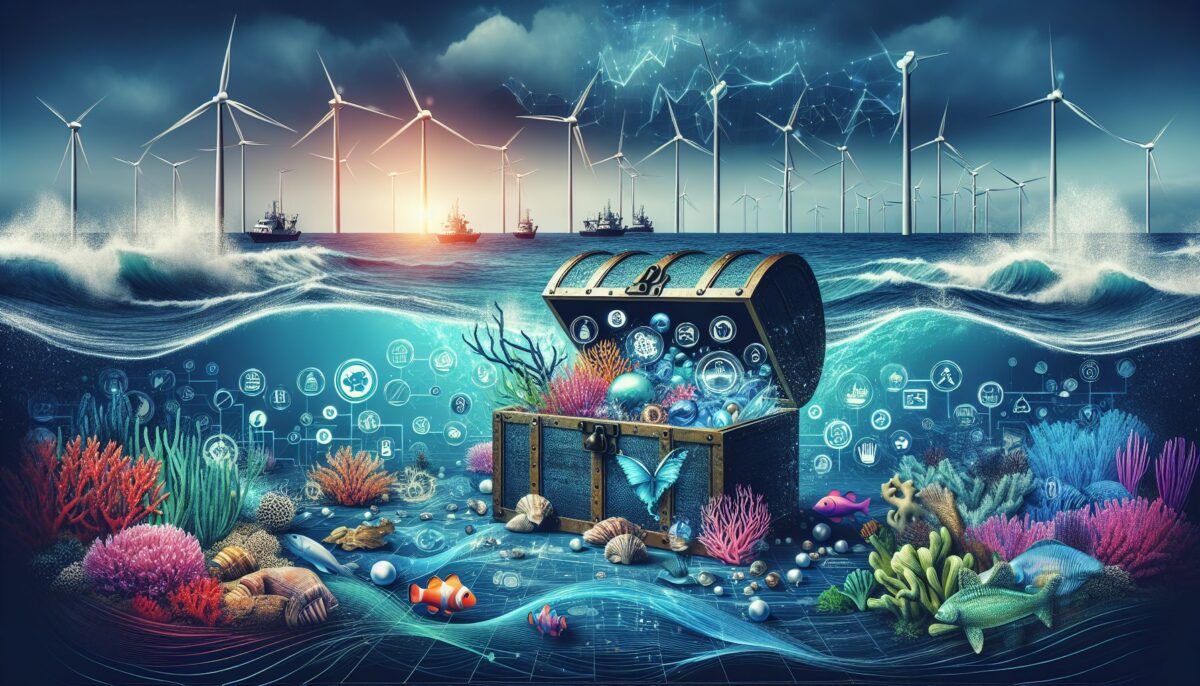
The concept of the Blue Economy has gained significant traction in the last decade as nations, businesses, and communities have begun to recognize the immense economic potential that lies within our oceanic and coastal environments. The essence of the Blue Economy lies in the sustainable, integrated, and resource-efficient exploitation of oceanic sectors, ranging from fisheries to renewable energy, to foster economic growth, environmental conservation, and livelihood creation. In this expansive article, we will explore the multifaceted components of the Blue Economy, its opportunities, challenges, and the future pathways that could ensure the health and wealth of our marine environments.
What is the Blue Economy?
The Blue Economy encompasses a broad spectrum of economic activities that take place in the marine environment, including fisheries, aquaculture, maritime trade, tourism, renewable energy sources, and biotechnology. According to the World Bank, the Blue Economy is sustainable use of ocean resources for economic growth, improved livelihoods and jobs, and ocean ecosystem health. This economic framework seeks not just to extract resources but to do so in a way that preserves the health of marine ecosystems, ensuring their longevity and productivity for generations to come.
Fisheries and Aquaculture
Fisheries and aquaculture represent traditional pillars of the Blue Economy. Responsible fishing practices and innovative aquaculture techniques present opportunities for addressing global food security concerns. The challenge lies in management, as overfishing and destructive fishing practices can lead to resource depletion and ecosystem damage. According to the Food and Agriculture Organization (FAO), ensuring sustainable fisheries and aquaculture is critical to food security and livelihoods.
Renewable Ocean Energy
With the concerns over climate change and the finite nature of fossil fuels, renewable ocean energy sources such as wave, tidal, and offshore wind power have garnered significant attention. Developments in this realm promise a future of cleaner energy. The International Renewable Energy Agency (IRENA) holds that advancing renewable ocean energy is crucial to global sustainability goals.
Maritime Trade and Shipping
Maritime trade and shipping are the lifelines of global commerce, with an overwhelming majority of the world’s goods transported over the seas. The industry faces the task of becoming more sustainable by minimizing shipping emissions and preventing oil spills and other pollutants that damage marine life.
Coastal and Marine Tourism
Tourism is another major component of the Blue Economy. Coastal and marine destinations attract millions of global tourists each year. Sustainable tourism initiatives aim to preserve natural environments, benefit local communities, and often incorporate educational components about local ecosystems and conservation efforts.
Blue Biotechnology
The ocean hosts a treasure trove of biodiversity with untapped potential for pharmaceuticals, food additives, and biochemical applications. Through blue biotechnology, sustainable practices are employed to harness the vast potential of marine organisms.
Challenges in the Blue Economy
While the Blue Economy presents outstanding opportunities, there are numerous challenges to address:
Environmental Sustainability
As industries look to the ocean for resources and economic gain, the sustainability of such practices comes into question. Activities like overfishing, habitat destruction, and pollution threaten the vitality of marine ecosystems. Effective management and regulatory frameworks are needed to ensure a balance between growth and conservation.
Climate Change
The oceans are on the frontline of climate change issues, with rising sea levels, ocean acidification, coral bleaching, and an increase in extreme weather events. These factors not only harm marine life but also threaten the infrastructure and livelihoods dependent on the sea.
Marine Pollution
From plastic waste to chemical runoff and oil spills, oceans are increasingly burdened by pollutants. The health of the marine ecosystem, and all who depend on it, requires robust solutions for waste management and pollution control.
Economic Inequity
There is a risk that the benefits of the Blue Economy may not be equitably shared. Smaller coastal communities, developing countries, and Indigenous peoples often lack the resources to fully participate in or compete with large-scale industrial activities.
Pathways to a Sustainable Blue Economy
To navigate the opportunities and challenges, the Blue Economy requires a framework centered around sustainability and inclusivity:
Policy and Governance
Effective policies and governance structures are required to manage the use of marine resources responsibly. Policymakers must work towards legal frameworks that not only promote sustainable practices but also protect the rights and livelihoods of all stakeholders involved.
Public-Private Partnerships
Collaboration between public entities and private sector companies can accelerate sustainable innovation within the Blue Economy. Partnerships can help leverage financial resources, technological skills, and operational capabilities.
Community Engagement
Local communities who rely on marine resources for their livelihoods must be included in decision-making processes. This ensures that Blue Economy initiatives are responsive to local needs, culturally sensitive, and sustainable in the long term.
Research and Development
Investments in R&D are critical for fostering innovation in sustainable marine technologies and practices. Scientific advancements in areas like marine spatial planning, resource mapping, and ecosystem monitoring can help optimize the use of ocean resources.
International Cooperation
Oceans know no borders, making international collaboration essential. Joint efforts can tackle transboundary issues such as illegal fishing, ocean pollution, and the impacts of climate change on marine environments.
The Future of the Blue Economy
Looking to the future, the success of the Blue Economy will hinge on our collective ability to embrace sustainability and equitable access. It calls for a paradigm shift in how we value and interact with our ocean resources. By nurturing the Blue Economy with conscientious governance, innovation, and collaboration, the oceans can continue to be a wellspring of life and prosperity for all of humanity.
The Blue Economy is not just an economic opportunity but a profound responsibility to steward the marine environment for future generations. Through careful planning and concerted action, we can forge a pathway that allows for both ecological integrity and human well-being. The promise of the Blue Economy lies in its potential to be an economic model that not only generates wealth but also conserves and enriches our blue planet.
In conclusion, the Blue Economy is a dynamic and evolving concept, full of promise yet fraught with challenges. Its realization depends on the collective action and commitment of global citizens, industries, governments, and the international community at large. As we chart our way through the vast, untapped potential of our oceans, it is imperative that we remain steadfast in our dedication to sustainability, equity, and the protection of the marine environment that so richly sustains us.
