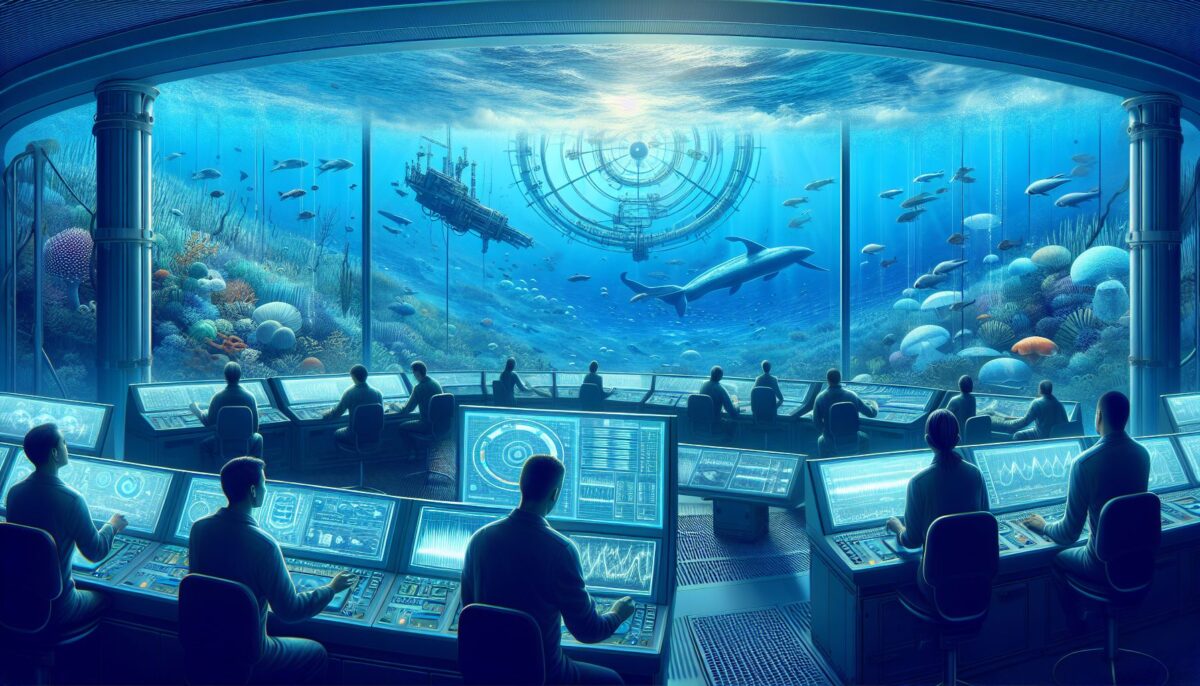
The ocean depths have always sparked intrigue and fascination. The vast expanse of the world’s waters—dark, mysterious, and largely unexplored—offers a glimpse of a world that is vastly different from our familiar terrestrial surroundings. This article delves into the amazing field of Oceanography, a branch of Earth science that studies the physical and biological aspects of the ocean.
Understanding the Ocean Depths
Oceanography is a multidisciplinary science involving geology, biology, chemistry, physics, and meteorology to understand the complex interactions within the ocean. It encompasses the study of everything about the ocean, from its vast depths, to its dynamic currents, to the myriad forms of life that dwell within it.
By studying the ocean, oceanographers can contribute to our understanding of climate change, marine life conservation, marine geology, and even explore potential resources and energy.
Marine Geology
Marine geology or geological oceanography involves the study of the ocean floor, from the shallowest coasts to the deepest abyss. This includes the structures and process involved in the transformation of the seabed, such as plate tectonics, sedimentation, and changes due to action of currents, waves, and tides.
One fascinating part of marine geology is the study of the continental shelf, the extended perimeter of each continent, which is typically flooded by relatively shallow seas. The continental shelf often serves as a richly diverse habitat for marine life and a potential source of mineral and petroleum resources.
Marine Ecology and Biodiversity
Another integral aspect of oceanography is understanding the diverse ecosystems that flourish beneath the ocean surface. It is home to an immense array of organisms, from the microscopic plankton to the colossal blue whale.
Marine biologists study everything from single-celled organisms to the complex interactions between marine species in an ecosystem. They delve into the life cycles, behaviors, and adaptations of marine life. This provides valuable information for marine conservation efforts and helps to ensure the protection and longevity of marine biodiversity.
Furthermore, researchers are continuously discovering new life forms down at the ocean depths, extending the boundaries of life as we know it, and offering potential implications for the search for extraterrestrial life.
Ocean and Climate
The ocean acts as a massive heat reservoir, absorbing solar radiation and distributing heat around the globe through its currents. This plays a significant role in determining the planet’s climate and weather patterns.
By studying characteristics such as seawater temperature, salinity, and movement, oceanographers can offer valuable insights into climate systems. Understanding these complex interactions is crucial in relation to global warming and its effects, such as rising sea levels, storm intensities, and shifts in ecosystem dynamics.
Examining the effect of CO2 absorption by oceans also leads us to significant phenomena like ocean acidification, which can have deleterious effects on marine life, particularly organisms with calcium carbonate shells or skeletons.
The Future of Ocean Exploration
While we have made significant strides in ocean exploration, the majority of the world’s oceans remain uncharted. The future of oceanography lies not only in exploring these unchartered territories but also in sustainable usage of ocean resources.
Oceanography plays a crucial role in the development of the blue economy, which embraces economic growth, social inclusion, and preservation of the environment. This includes sustainable fisheries, renewable energy sources like wave and tidal energy, and potential pharmaceutical resources from marine organisms.
Just like space exploration, understanding our oceans represents one of the final frontiers for human exploration. These endeavors not only increase our understanding of the world but also deepens our appreciation for the intricate web of life on Earth. Our oceans are rich, dynamic, and vital systems—knowledge about them is knowledge about the essence of life and the future of our planet.
Conclusion
The ocean holds many mysteries waiting to be unveiled, from the complexities of its diverse ecosystems to the potential solutions it offers to some of humanity’s greatest challenges. Oceanographers play a pivotal role in unravelling these mysteries and ensuring the sustainable use of our oceans. By deepening our understanding and appreciation of our oceans, we take a vital step towards preserving our Blue Planet for future generations.
Remember, we only protect what we love, and we only love what we understand. Here’s to unravelling more of the mysteries of the deep and appreciating the beauty and importance of our oceans!
