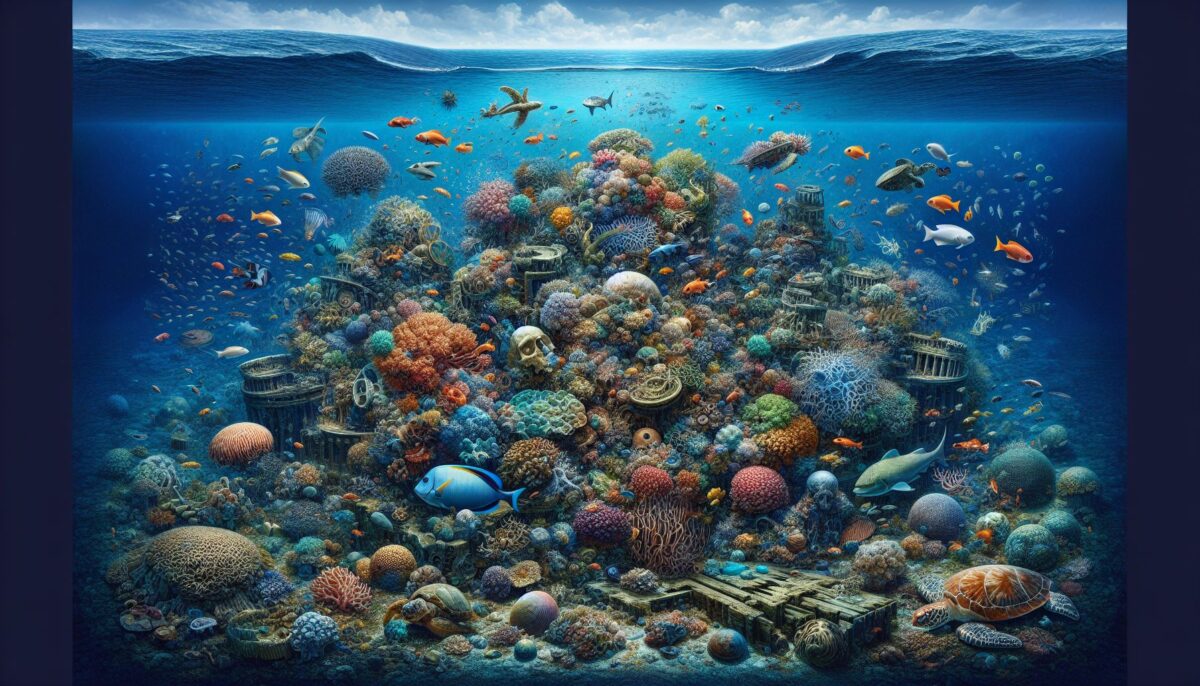
The ocean, a vast and mysterious expanse, is home to an astonishing array of life. With its deep blues and towering waves, it not only shapes the beauty of our planet but also supports a complex network of ecosystems crucial for the survival of countless species, including our own. This article delves into the essence of marine biodiversity – the vibrant tapestry of life beneath the waves that is both fascinating and fundamentally important to the health of our planet and prosperity of humanity.
What is Marine Biodiversity?
Marine biodiversity refers to the variety and abundance of species, their genetic make-up, and the intricate ecosystems found within oceanic environments, ranging from the sunlit surface waters to the deep seafloor. This biodiversity is not just about the species we can easily visualize, like colorful fish or charismatic whales, but also includes microscopic organisms such as phytoplankton and bacteria, which are essential components of the marine food web.
The Significance of Marine Biodiversity
Marine biodiversity is the linchpin of ocean health. It ensures the resilience of ecosystems to changes and disturbances such as climate change, promotes the cycling of nutrients, and provides a plethora of services to humanity. The benefits we derive from marine biodiversity include:
- Food security: Fisheries and aquaculture are vital sources of protein for billions of people worldwide.
- Biomedical resources: Marine organisms have unique biochemical compounds that have led to the development of new medicines.
- Ecosystem services: Coastal ecosystems, like mangroves and coral reefs, protect shorelines from erosion and reduce the impact of storms.
- Economic livelihoods: Millions of people depend on the ocean for their livelihoods through maritime trade, tourism, and fishing industries.
- Cultural and recreational value: Many cultures have deep connections to the sea, and coastal regions are popular destinations for recreation and tourism.
Challenges Facing Marine Biodiversity
Despite its importance, marine biodiversity is under threat from a wide range of human activities:
- Overfishing: Unsustainable fishing practices have led to the depletion of many fish stocks, disrupting the balance of marine ecosystems.
- Habitat destruction: Coastal development, dredging, and bottom trawling destroy critical habitats such as seagrass beds, mangroves, and coral reefs.
- Pollution: Plastics, toxic chemicals, and excess nutrients from agricultural runoff contribute to the degradation of marine environments.
- Climate change: Rising sea temperatures, ocean acidification, and changing currents are altering the living conditions for many marine species.
- Invasive species: Non-native species introduced by human activities can out-compete and displace native species.
Exploring the Depths: The Richness of Marine Life
The ocean harbors an estimated 2.2 million species, with many more yet to be discovered [1]. From the smallest plankton to the largest whales, every species plays a part in the intricate web of ocean life. Coral reefs, often referred to as the “rainforests of the sea,” are among the most diverse ecosystems on earth, hosting thousands of species within a relatively small area.
Keystone Species and Their Impact
Keystone species, such as the sea otter, have disproportionately large effects on their environment relative to their abundance. These species help to maintain structure and balance within ecosystems, making their conservation essential for overall biodiversity.
The Importance of Microorganisms
Microorganisms, although less visible, are the backbone of marine ecosystems. Phytopl.ankton, microscopic algae, are the primary producers in the ocean, forming the basis of the marine food web. They generate nearly half of the world’s oxygen through photosynthesis, comparable to the oxygen produced by terrestrial plants [2].
Conservation Efforts and Marine Protected Areas
Conservation of marine biodiversity is vital for preserving ocean health. Marine Protected Areas (MPAs) are regions where human activity is restricted to protect ecosystems and species. MPAs have been shown to increase the number and size of marine species within their boundaries, contributing to the recovery of ecosystems and fisheries [3].
The Role of International Agreements
Several international agreements and organizations aim to safeguard marine biodiversity, such as the Convention on Biological Diversity and the United Nations Convention on the Law of the Sea. These agreements provide frameworks for the conservation and sustainable use of ocean resources.
Community Involvement and Education
Local communities play a crucial role in protecting marine biodiversity. Engaging stakeholders, including fishers and the tourism industry, in the management and conservation of marine resources can lead to more effective outcomes. Education and awareness programs help foster a sense of stewardship and encourage sustainable practices.
The Blue Economy: Harmonizing Economic Development with Ocean Conservation
The concept of the blue economy encompasses the sustainable use of ocean resources for economic growth, improved livelihoods, and jobs while preserving the health of marine ecosystems. It includes sectors such as sustainable fishing, renewable energy (e.g., tidal and wave energy), tourism, and biotechnology.
Sustainable Fisheries and Aquaculture
Ensuring that fisheries operate sustainably is crucial for maintaining marine biodiversity. Practices such as setting catch limits, reducing bycatch, and protecting spawning grounds can preserve fish populations and the health of the larger ecosystem. Aquaculture, when done responsibly, can provide a sustainable source of seafood without the environmental impact of overfishing.
Renewable Ocean Energy
The ocean holds great potential for renewable energy generation, which can help reduce our dependence on fossil fuels and mitigate climate change. Innovations in tidal and wave energy are leading the way in harnessing the power of the ocean in an environmentally friendly manner.
Navigating the Future: The Critical Role of Research and Monitoring
Ongoing Research and Oceanography
To protect marine biodiversity, we must understand it. Continual research in fields such as marine biology, oceanography, and marine geology is necessary to uncover the complexities of ocean ecosystems and the species that inhabit them. Modern technologies, including remote sensing and deep-sea exploration tools, allow scientists to study previously inaccessible areas of the ocean.
Long-term Monitoring and Data Collection
Long-term monitoring and data collection are essential for assessing the health of marine ecosystems and the impact of human activities. This information guides the management of resources and the development of conservation strategies.
Concluding Thoughts
Marine biodiversity is more than an ecological treasure; it is the foundation upon which the health and well-being of our planet and our species rest. Protecting the vast variety of life in our oceans is a responsibility that we all share. Through concerted global efforts in research, conservation, and sustainable practices, we can ensure that the marvels of marine life persist for generations to come.
Sources
- Mora, C., Tittensor, D. P., Adl, S., Simpson, A. G. B., & Worm, B. (2011). How many species are there on Earth and in the ocean? PLoS Biology, 9(8), e1001127. https://doi.org/10.1371/journal.pbio.1001127
- Field, C. B., Behrenfeld, M. J., Randerson, J. T., & Falkowski, P. (1998). Primary production of the biosphere: integrating terrestrial and oceanic components.
