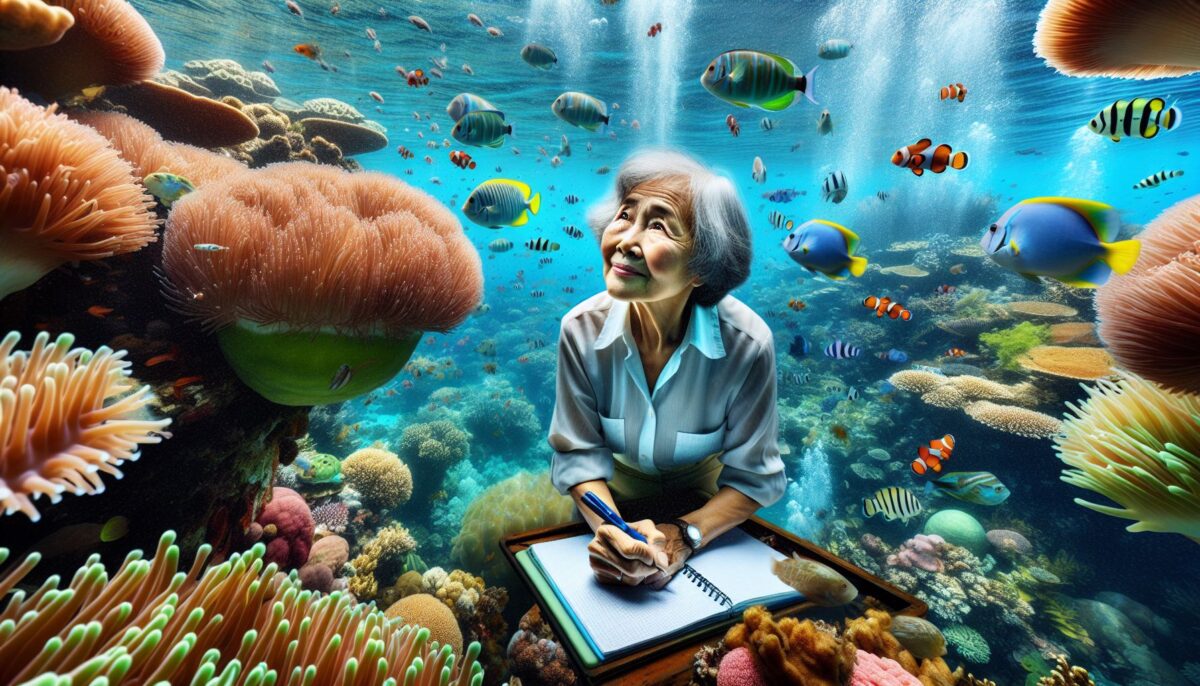
The ocean, a vast and mysterious expanse, covers more than 70% of our planet’s surface. Within its depths lie intricate ecosystems teeming with life, from the tiniest plankton to the largest whales. The diversity of organisms found in the ocean is astronomical—a kaleidoscope of life forms that have adapted to survive in this unique environment. In this comprehensive exploration, we’ll dive deep into the captivating topic of marine biodiversity: its importance, the threats it faces, and what can be done to preserve the richness of life beneath the waves.
What is Marine Biodiversity?
Marine biodiversity refers to the variety and abundance of different species of plants, animals, and microorganisms in the ocean, as well as the genetic differences within these species and the complex ecosystems they form. This biodiversity is not evenly distributed throughout the ocean; it is influenced by a variety of factors such as temperature, salinity, depth, and the availability of light and nutrients.
The Spectrum of Life in the Ocean
From the colorful coral reefs bustling with activity to the enigmatic creatures lurking in the pitch-black depths of the trenches, the ocean is a dynamic environment with an unparalleled range of habitats:
-
Coral Reefs: Often referred to as the “rainforests of the sea,” coral reefs are some of the most diverse ecosystems on Earth. They provide a home for thousands of species of fish, invertebrates, and algae.
-
Open Ocean: The vast open water, or pelagic zone, is where we find the great wanderers of the sea like whales, dolphins, and large fish such as tuna and sharks.
-
Deep Sea: The deep ocean is less explored and understood due to its inaccessibility. Nonetheless, it harbors life-adapted to high pressure, low temperatures, and complete darkness.
-
Polar Seas: In the cold, icy waters of the Arctic and Antarctic, unique communities of organisms thrive below and within the sea ice.
-
Mangroves and Estuaries: Where the sea meets the land, estuaries provide nurseries for many marine species, while mangroves stabilize coastlines and support fish populations.
Why is Marine Biodiversity Important?
The ocean plays a pivotal role in the health of our planet. Marine biodiversity is crucial for the functioning of ecosystems which, in turn, provide services that are essential for human survival. Here’s why preserving marine biodiversity is important:
-
Supports the Food Web: The variety of life in the ocean forms a complex food web that supports the entire marine food chain, including the seafood that humans consume.
-
Regulates Climate: The ocean is a significant carbon sink, with marine plants and algae capturing carbon dioxide during photosynthesis, thus helping to regulate global climate.
-
Realizes the Blue Economy: Healthy marine ecosystems contribute to economic prosperity through fisheries, tourism, and bioprospecting for pharmaceuticals.
-
Cultural Significance: The ocean holds cultural value for many societies and indigenous peoples, providing a source of inspiration, tradition, and spiritual importance.
Threats to Marine Biodiversity
Despite its resilience, marine biodiversity faces many threats. Human activities have led to significant changes in the ocean’s health:
-
Overfishing: Intense fishing pressure has led to the decline of many fish populations and the disruption of marine food webs.
-
Pollution: Nutrient runoff, plastics, chemicals, and other forms of pollution are contaminating the ocean, harming marine life and their habitats.
-
Climate Change: Rising ocean temperatures, ocean acidification, and changing currents affect the distribution and health of marine species, leading to phenomena like coral bleaching.
-
Habitat Destruction: Coastal development, destructive fishing practices, and other human activities are destroying critical habitats such as coral reefs and mangroves.
-
Invasive Species: The introduction of non-native species can disrupt local ecosystems and outcompete native marine life.
Conservation Efforts for Marine Biodiversity
Recognizing the threats to marine biodiversity, the global community has undertaken various initiatives to protect and preserve the richness of life in the ocean:
-
Marine Protected Areas (MPAs): These are regions where human activity is restricted to conserve the ecological and cultural value of marine ecosystems.
-
Sustainable Fisheries Management: Quotas, bycatch reduction devices, and no-fishing zones help in sustaining fish populations.
-
Pollution Reduction: Efforts to reduce pollution include banning single-use plastics, improving wastewater treatment, and regulating chemical discharges.
-
Combating Climate Change: Reducing greenhouse gas emissions is crucial to slow down global warming and protect marine biodiversity.
-
Restoration Projects: Activities like coral reef restoration and wetland rehabilitation help to restore damaged ecosystems.
Research and Monitoring
To protect marine biodiversity effectively, we need to understand it:
-
Oceanography and Marine Biology Studies: Scientists continuously study marine life and ecosystems to gain insight into their complexity and functioning.
-
Monitoring Species and Habitats: Regular monitoring helps to track the health of species and habitats, allowing for timely conservation actions.
-
Genetic Research: Studying the genetics of marine organisms can reveal information about population sizes, migration patterns, and resilience to environmental changes.
Getting Involved
Individuals and communities also play a role in the conservation of marine biodiversity:
-
Educate and Raise Awareness: Understanding the importance of marine biodiversity is the first step towards its preservation.
-
Sustainable Lifestyle Choices: Choosing sustainably sourced seafood and reducing plastic consumption can make a difference.
-
Citizen Science: Participation in local conservation initiatives and citizen science projects can support research and monitoring efforts.
Looking Ahead
The fate of the oceans is inextricably linked to our own. As stewards of this planet, it is our responsibility to ensure that future generations can enjoy the diversity and abundance of marine life that we have today. Only through concerted efforts at local, national, and global levels can we hope to maintain the delicate balance of our ocean’s ecosystems.
By promoting sustainable practices, supporting conservation policies, and fostering a deeper connection with the ocean, we can move towards a more harmonious relationship with the marine world—a testament to the resilience and splendor of life beneath the waves.
Sources
-
Ocean Service, NOAA. “What is ocean biodiversity and why is it important?” https://oceanservice.noaa.gov/facts/biodiversity.html
-
World Wildlife Fund. “Marine Problems: Pollution” https://www.worldwildlife.org/threats/marine-problems-pollution
-
The IUCN Red List of Threatened Species. “Marine biodiversity” https://www.iucnredlist.org/resources/marine-biodiversity
Through understanding and valuing the diversity of life in our oceans, we may unearth the solutions to some of the greatest challenges we face and unlock the full potential of “The Blue Economy” for sustainable development. Join the movement to protect our planet’s precious marine biodiversity—it’s
